
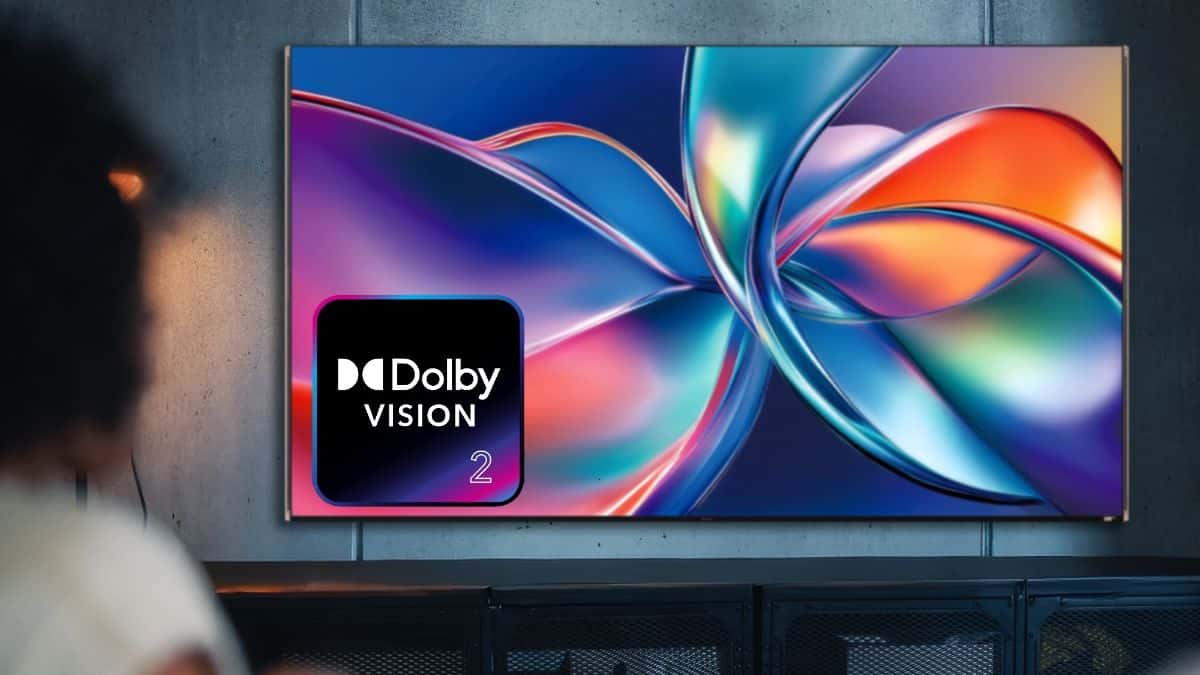
The Evolution of HDR Technology
Ten years after its initial release, the legendary Dolby Vision standard is getting a successor. Dolby has unveiled Dolby Vision 2, promising revolutionary image quality improvements powered by artificial intelligence.
Scientists confirm: This is the most effective way to get your cat’s attention, according to new research
Elderly Couple Refuses Reserved Seats—Viral Train Standoff Sparks Fiery Debate on Courtesy
For anyone who’s streamed movies or TV shows on major platforms since 2014, the Dolby Vision logo has become a familiar sight, though its significance might not be immediately apparent.
Understanding Dolby Vision’s Legacy
Dolby Vision represents premium HDR (High Dynamic Range) technology, allowing filmmakers to capture incredibly clear images with precise, vibrant colors. Its dynamic nature enables content-specific optimization for compatible devices and platforms, setting it apart from standard HDR formats.
The new Dolby Vision 2 maintains this core mission while introducing cutting-edge features through an entirely new processing engine.
AI-Powered Enhancement
The standout feature, “Content Intelligence,” leverages artificial intelligence to achieve unprecedented flexibility in image optimization. According to Dolby, this new version automatically optimizes images in real-time, going beyond traditional metadata limitations to ensure optimal picture quality across all viewing devices.
This smart technology adapts not only to different displays but also to viewing environments, using ambient light sensors to adjust picture settings automatically. Home theater enthusiasts no longer need to fine-tune their lighting setup manually.
Enhanced Motion Handling
A new dedicated mode focuses on fast-paced content, particularly beneficial for sports broadcasts, action movies, and high-intensity gaming. Dolby Vision 2 promises to significantly improve clarity and reduce motion blur without introducing the dreaded “soap opera effect” that can compromise visual integrity.
The technology aims to maintain the creator’s intended look while delivering smoother motion where it matters most.
Two-Tier Implementation
Dolby Vision 2 comes in two versions: Standard and Max. The Max version targets high-end devices and discerning viewers, offering premium features for the ultimate viewing experience.
Why You Should Never Reheat These Foods in the Microwave – The Hidden Dangers Experts Warn About
I tried the top 5 guard dogs—here’s what makes these breeds the ultimate protectors
This tiered approach ensures broader market adoption while maintaining exclusive capabilities for premium products.
Conclusion
While Dolby Vision 2’s features sound impressive on paper, real-world performance remains to be seen. Tech enthusiasts and home theater aficionados can look forward to the first compatible devices, expected to debut at IFA this Friday, September 5th. This next-generation HDR technology promises to reshape how we experience visual content, from streaming services to gaming, potentially setting new standards for home entertainment quality.
Similar Posts
- Galaxy S26 to Feature Privacy Screen Tech: Say Goodbye to Prying Eyes!
- TCL X11L Review: Can Mini-LED SQD Truly Rival Premium OLED TVs?
- Hisense PL2 Review: Top Sharpness and Contrast, But Colors Could Improve
- Nothing Projector Matte White Screen Test: Brighter Images, Less Contrast!
- SwitchBot AI Art Frame Review: Digital Photo Frames Are Far From Dead!

Ben Thompson is a tech strategist and contributing journalist. He breaks down complex industry movements into practical insights for everyday users. Known for his sharp analysis of big tech trends and business models, Ben draws from years of experience as a consultant and founder of Stratechery. At Touch Reviews, he focuses on how major innovations—from AI tools to platform shifts—translate into real-life impacts and actionable tips for users who want to stay ahead of the curve.
Ben.Thomson@touchreviews.net