
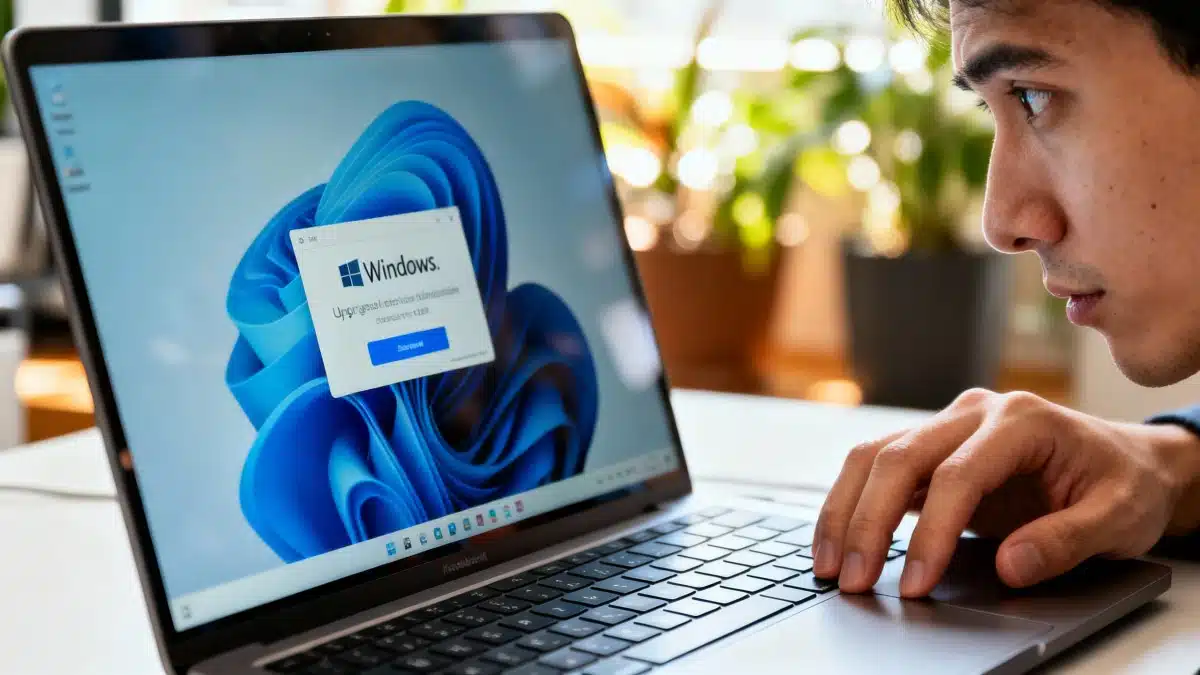
Ever had your computer crash six times in one morning after an operating system update? If so, you’re not alone—and things may get even bumpier. The move from Windows 10 to Windows 11 is generating more sparks than a hardware store firework display, with experts warning of “the biggest environmental scandal of the century” and a tidal wave of unnecessary costs. As the clock ticks toward the end of Windows 10 support, frustration and concern are mounting among professionals, public organizations, and digital sustainability advocates.
Scientists confirm: This is the most effective way to get your cat’s attention, according to new research
Elderly Couple Refuses Reserved Seats—Viral Train Standoff Sparks Fiery Debate on Courtesy
The Windows 10 Farewell Tour (and the Price of Progress)
For professionals, October 14 marks the final curtain call for Windows 10 support, a system that’s been humming along since July 2015. Everyday users in Europe get a brief reprieve: until October 2026, they can still receive critical Windows 10 security updates—if they have a Microsoft account. But don’t expect any new features or non-critical fixes; the American company is clear on that. So, unless you’re sentimentally attached to a security update, you’ll soon be left in the digital cold.
The association Halte à l’obsolescence programmée (HOP), known for its fight against what it calls the “Windows Tax,” fears this enforced migration could “trigger one of this century’s greatest environmental scandals.” Samuel Sauvage, HOP’s co-founder, is unequivocal: “Computers will have to be replaced even though, technically, they’re still working perfectly.” Why? Many PCs lack the fabled TPM 2.0 chip or have incompatible, underpowered processors—components not easily replaced, making new purchases the only real option.
Microsoft’s Defense: Secure, Fast, AI-Fueled—At a Cost
Contacted for comment, Microsoft points to its blog post singing the praises of Windows 11 as “the most secure operating system ever designed.” They warn that staying with Windows 10 without regular updates makes users sitting ducks for cyberthreats. With more than 1.4 billion active devices worldwide, Microsoft emphasizes its new OS’s speed, efficiency, and shiny AI features. According to them, dropping support is only natural—after all, every Windows version since XP has had about a decade of service.
For public bodies and businesses, though, “natural” equals expensive. Take one major public sector player: Christophe, in charge of sustainable and responsible IT, explains his organization will have to replace 48,000 of its 57,000 computers. By 2028, he estimates shelling out 3.6 million euros on licenses and about 43 million euros for new hardware at 900 euros a pop. Security support for companies doesn’t come cheap either: $61 per device the first year, $122 the second, and $244 the third. “That’s some serious pressure to upgrade perfectly functional hardware,” Christophe laments, calling it genuine, verifiable planned obsolescence.
Collateral Damage: Costs, Compatibility, and E-Waste
The knock-on effects aren’t just financial. Local authorities and admin staff responding to HOP’s survey regret the side effects of this migration: extra spending, time-consuming change, and loss of compatibility with still-functional hardware and software. At the City of Paris, of 42,000 devices, 14,000 will still be running Windows 10 at the end of 2024. In 2025, they’ll have managed to replace 4,000, but for the remaining 10,000 too old to make the Windows 11 leap, they’ll have to pay for security updates—a bill estimated at tens of thousands of euros per year, according to Antoine Guillou, Paris’s deputy mayor in charge of waste reduction. Those outdated machines will gradually be swapped out, as the budget allows. “This is an expense we see as improper and would have preferred to avoid,” Guillou comments, adding it brings no added public service.
Microsoft, for its part, maintains that abandoning old versions for the new is just the “natural cycle” of tech. But in an age when digital sustainability is a hot topic, the consequences run deeper than wallet pain.
Environmental Sting: Obsolescence and the Carbon Footprint
In France, the digital sector already racks up 2.5% of the country’s greenhouse gas emissions, and most of that damage comes from manufacturing hardware, according to Ademe. For a typical laptop used over five years, a whopping 95% of its carbon footprint comes from its making, delivery, and assembly. Using it and recycling it? That’s just 5%.
Christophe explains that the goal of his organization’s low-carbon strategy is to stretch the internal lifespan of computers to about six years on average—they had only just swapped out machines in 2021. Discarded computers get a second lease of life via social economy companies, hopefully lasting up to ten years. The looming obsolescence of Windows 10, however, undermines this whole effort and risks widening the digital divide.
Why You Should Never Reheat These Foods in the Microwave – The Hidden Dangers Experts Warn About
I tried the top 5 guard dogs—here’s what makes these breeds the ultimate protectors
Despite France pioneering a 2015 law against deliberate lifespan reduction of products—so-called planned obsolescence—not a single company has been convicted on that count in ten years. Apple, once investigated on such grounds (though ultimately not convicted), ended up with a 25 million euro fine in 2020 for not telling users that software updates might slow down their devices. Samuel Sauvage from HOP argues this was all to sell more iPhones: “It’s hard to prove in court, but the economic logic is clear.”
Now HOP calls for a legal framework forcing tech giants to provide at least fifteen years of software support—an ambitious ask, but perhaps the only one that truly puts the planet (and your aging laptop) first.
As the upgrade treadmill grinds on, maybe the real update we need is in how we think about value, longevity, and responsibility—in tech and beyond. Before you toss your old computer out for a shinier model, remember: sometimes the most radical act is simply to keep what works.
Similar Posts
- End of Windows 10 Support: How to Extend Your Security Updates?
- Microsoft Extends 365 App Support for Windows 10 Until 2028: Secure Your Software’s Future Now!
- Popular Samsung Galaxy S Model Becomes Obsolete: Receives Final Update
- Millions Face Security Risks as Windows 10 Support Ends—Are You Ready for the Change?
- Control Your Windows 11 PC Remotely With Ease: Android Smartphone Becomes a Command Center

Jordan Park writes in-depth reviews and editorial opinion pieces for Touch Reviews. With a background in UI/UX design, Jordan offers a unique perspective on device usability and user experience across smartphones, tablets, and mobile software.