
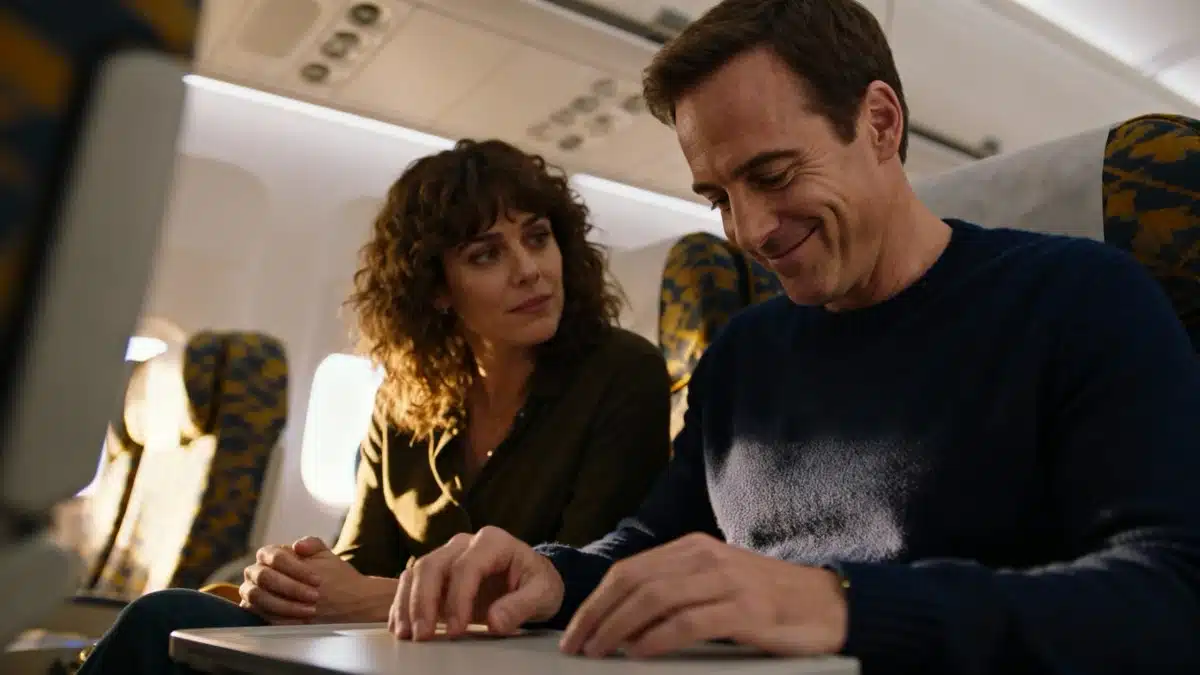
It’s no secret that flying can sometimes feel like an exercise in patience—and, on some unlucky days, like a cramped game of Tetris with real people. But what happens when the already-tight quarters of an airplane seat get even smaller thanks to seatmates who, well, refuse to stay on their own side? One recent story—tweeted out for the world to see—sparked a heated debate about passenger comfort, airline responsibility, and just how much personal space we can expect at 35,000 feet.
Scientists confirm: This is the most effective way to get your cat’s attention, according to new research
Elderly Couple Refuses Reserved Seats—Viral Train Standoff Sparks Fiery Debate on Courtesy
A Turbulent Experience in the Sky
- Three-hour American Airlines flight
- Sydney Watson, Australian conservative party member, finds herself jammed between two obese passengers
- Tweets and photos document her frustration and physical discomfort
Sydney Watson’s ordeal began as many travel horror stories do: in a middle seat. Squeezed tightly between two fellow passengers, Sydney didn’t just grumble to herself. She took to Twitter, photos and all, to give a play-by-play—describing her experience in blunt, unfiltered language. “I don’t care if it’s mean. My entire body is currently being touched without my consent. I can’t even put my arms on the armrests on either side because there’s no freaking space,” she tweeted, her words practically radiating discomfort through the screen.
As if the literal space invaders weren’t enough, Watson added that her seatmates were “sweating on me,” stoking an online blaze. While some sympathized with her situation, others decried her comments as fat-shaming, creating a social media rift that refused to be quietly sorted out.
When Tweets Hit Turbulence: Airline Response
Initially, American Airlines responded swiftly and decisively. Their message had the familiar ring of corporate customer care: “Our passengers come in all shapes and sizes. We are sorry you were uncomfortable during your flight.” The airline, though, rejected her formal complaint. If Sydney was hoping for an upgrade to first class or an engraved apology plaque, she was out of luck.
But the turbulence didn’t end there. About a week later, the unexpected happened. The company sent an email to Sydney—one she was quick to share with her online followers—offering not just apologies but a $150 travel voucher. A small sum for an uncomfortable journey, perhaps, but something to sweeten the (stale airline) bread?
Money Can’t Buy Me Comfort (or Satisfaction)
Despite the attempt at customer amends, Sydney wasn’t exactly doing cartwheels down the aisle. Her response, which she also aired publicly, made her priorities clear: she’d rather put that $150 toward helping someone access a gym membership or join a fitness program. Accepting it as a token of goodwill for her own grievance? Not likely. In a world that often expects hashtags and hot takes, Sydney doubled down on her stance.
The Real Baggage: Air Travel Etiquette and Empathy
This viral episode did more than clog up Twitter feeds. It surfaced deeper questions about:
- Airline responsibility for passenger comfort
- Etiquette around personal space and grievances
- The fine art of addressing complaints without crossing into public shaming
As airlines navigate the ever-shifting landscape of customer expectations, they’re faced with a tricky balancing act: How do you respond compassionately to individual discomfort without alienating—or shaming—other passengers? Meanwhile, travelers themselves are left wrestling with how to stick up for their needs while remembering that flying is, if nothing else, a team sport.
With air travel still the main avenue for long-distance journeys, Sydney’s saga reminds us of the importance of:
Why You Should Never Reheat These Foods in the Microwave – The Hidden Dangers Experts Warn About
I tried the top 5 guard dogs—here’s what makes these breeds the ultimate protectors
- Clear communication about seating arrangements
- Managing passenger expectations—so that no one feels misled or ignored
- A culture of respect, accommodation, and, yes, a little empathy for the stranger in 13B
The friendly skies are still a work-in-progress for everyone involved. Maybe, just maybe, we’ll all be better seatmates (and Twitter users) on our next flight.
Similar Posts
- Why a Passenger’s Comment Made a Plane Turn Back—The Shocking Consequences of Disrespect at 30,000 Feet
- He pays for a first-class upgrade, but someone’s already working in his seat—how would you handle this travel shock?
- The battle for in-flight wifi: Will Amazon’s Project Kuiper topple Starlink’s dominance?
- AirTags Slash Lost Luggage Rates: Travelers Rejoice at Revolutionary Tracking!
- Google’s AI can now help you find the cheapest airline tickets, and this is how to use it !

Jordan Park writes in-depth reviews and editorial opinion pieces for Touch Reviews. With a background in UI/UX design, Jordan offers a unique perspective on device usability and user experience across smartphones, tablets, and mobile software.