
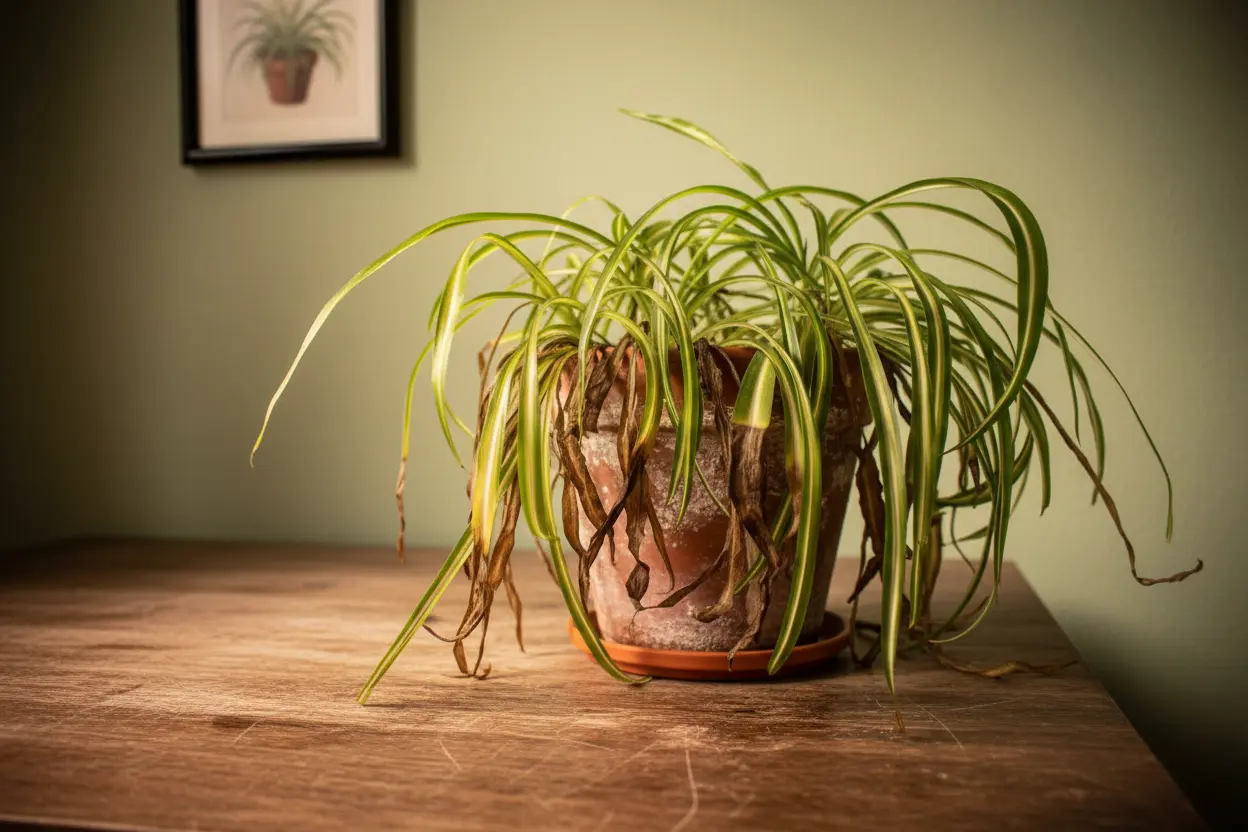
Have you ever caught your houseplants throwing a bit of shade with their brown-tipped leaves? It’s as if they’re telling you, “Hey, something’s not right here!” Fear not—brave indoor gardener—you’re definitely not alone. Especially when the days get chilly and you’re cranking up the heat, those brown edges become a suspiciously familiar sight. So what’s really going on, and most importantly, how can you bring your leafy friends back to vibrant health? Let’s go straight to the roots and get answers.
Scientists confirm: This is the most effective way to get your cat’s attention, according to new research
Elderly Couple Refuses Reserved Seats—Viral Train Standoff Sparks Fiery Debate on Courtesy
Why Are Your Houseplant Leaves Turning Brown?
As temperatures drop in autumn and winter, many people notice their once lush, happy plants starting to look a little worse for wear. In particular, you might see the tips of their leaves turning brown—almost as if Mother Nature switched out her green paint for a not-so-fashionable shade of brown. While it may seem like just another seasonal oddity, it’s actually your plant’s way of signalling stress. The main culprit? Low humidity, brought on by heating your home during the colder months.
Turning up the heat makes your living room wonderfully cozy for you, but the air becomes dry—something that makes your plants, especially those perched high up or in spots without much air circulation, feel parched. Brown-tipped leaves are their not-so-subtle cry for help. They’re not grabbing a blanket and cocoa, they just want a little more moisture in the air.
How to Prevent Those Pesky Brown Tips
If you want to put an end to those unsightly brown-tipped leaves, it’s time to think like a plant. Raising the humidity is key, and one of the simplest ways is to water your plants regularly. But before you go all in with the watering can, there’s another trick up the indoor gardening sleeve: changing the soil. Repotting now and then keeps minerals from building up in the potting mix—a sneaky process that can damage roots and make your plants look less than fabulous.
- Increase humidity—regular watering is your friend, but don’t drown your plants in enthusiasm!
- Repot occasionally to prevent harmful mineral buildup.
Both of these steps help protect your plants from the stresses of dry air and unhealthy soil, giving them a fighting chance to look lush and lovely year-round.
The Risks of Overwatering and Overfeeding
Let’s get one thing straight: too much of a good thing is, well, not good at all. Even in winter, a good watering routine is important, but you should avoid overwatering your houseplants. If you go overboard, their roots can rot, inviting a range of problems like yellow or brown leaves (just to keep you guessing). Excess nutrition—especially from fertilizers—can also create a toxic environment for the roots. In fact, this is a common reason for the brown-tipped leaf drama. Plants really only need feeding when they’re actively growing, so during winter, it’s best to skip the extra nutrients.
If you keep overwatering or feeding your plants during their winter “nap,” you’re setting them up for a bit of a struggle. Rotting roots and stressed-out leaves are not the gardening accolades you’re after.
The Goldilocks Rule: Balancing Water for Happy Plants
So, how can you avoid watering mistakes without needing a botany degree? It’s all about balance. Here’s an age-old tip: poke your finger into the soil to see if your plant is truly thirsty. If it feels dry, it’s time for a drink. But remember, moderation is key—no need to flood the jungle!
- Check the soil before watering by feeling it with your finger.
- If dry, water until it drains from the bottom of the pot. (No need to install a pool.)
- Let the soil dry again before the next watering cycle.
This rhythm keeps both overwatering and underwatering at bay and ensures your houseplants have the best conditions for thriving, even when your living room starts to feel like a desert thanks to central heating.
Why You Should Never Reheat These Foods in the Microwave – The Hidden Dangers Experts Warn About
I tried the top 5 guard dogs—here’s what makes these breeds the ultimate protectors
In short: If you spot those brown tips, your plants are asking you to turn down the heat and bring up the moisture. Regular, careful watering, the occasional change of soil, and a hands-off approach to fertilizer during winter will transform you into the houseplant hero you were always meant to be. Brown leaves begone!
Similar Posts
- The little-known Japanese trick that gets rid of winter damp—no dehumidifier needed
- Why the Water Bottle Trick Is Winning Over Households This Winter—But Don’t Expect a Massive Heating Bill Drop
- iPhone 18 Pro Sparks Rival Panic: Competitors Turn Red as Apple Advances
- Heatwave Alert: How to Protect Your Smartphone in Extreme Heat
- Black Friday Heating Deals: Tado° X Thermostat Just €80 & More Hot Offers!

Jordan Park writes in-depth reviews and editorial opinion pieces for Touch Reviews. With a background in UI/UX design, Jordan offers a unique perspective on device usability and user experience across smartphones, tablets, and mobile software.