
Scientists confirm: This is the most effective way to get your cat’s attention, according to new research
Elderly Couple Refuses Reserved Seats—Viral Train Standoff Sparks Fiery Debate on Courtesy
Introduction of Qi v2.2.1 Standard by WPC
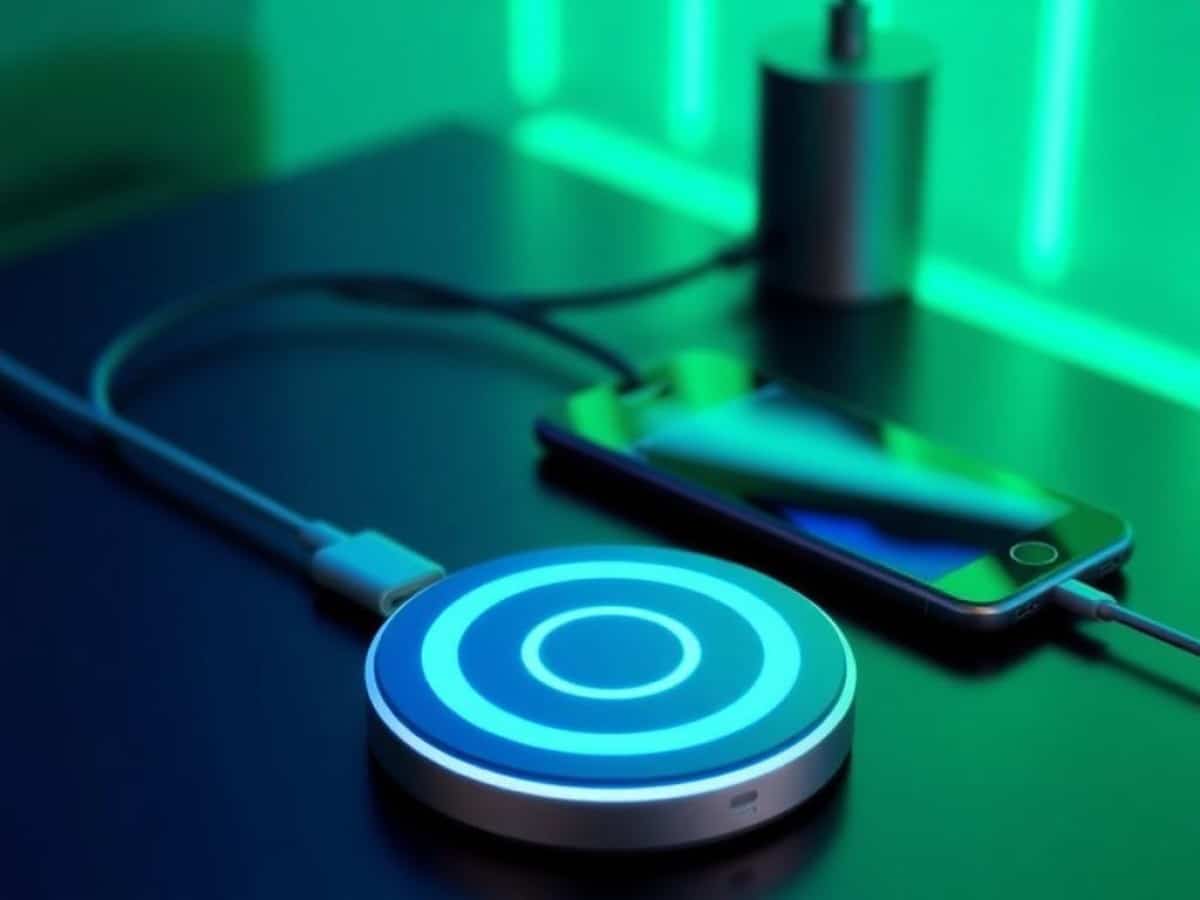
The Wireless Power Consortium (WPC) has recently introduced the new Qi v2.2.1 standard, which will be marketed as Qi2 25W. As indicated by its name, this latest version of the wireless induction charging standard boosts its power capability from 15 watts to 25 watts, enabling faster device charging. While the original Qi2 standard launched two years ago saw limited adoption among manufacturers, the WPC has announced that several leading Android smartphones will support the new standard at its launch. They stated, “Large-scale certification testing is now open to hundreds of devices awaiting testing.” Chargers and batteries that are compatible with the new standard are also poised to hit the market soon.
Advancements in Magnetic Power Profile with Qi2
In 2023, Qi2 introduced support for the “Magnetic Power Profile,” which incorporated magnets initially conceptualized by Apple to ensure optimal alignment of the smartphone with the charger. Last year, the iPhone 16 was already outfitted with a MagSafe charger capable of 25W charging, provided it was connected to a 30W power adapter. Looking ahead to September, Apple is expected to push the envelope further with the iPhone 17. Apple certified a charger last month that can deliver up to a maximum of 45W power.
Similar Posts
- Revolutionary 50W Wireless Charging: Qi Standard Set to Transform Tech by 2028
- iPhone 17 Could Feature Enhanced MagSafe Magnets: Revolutionary Upgrade Alert!
- Revolutionary iPhone Charging: Is MagSafe’s Magnet Design to Blame?
- Pixel 10 Confirmed: Set to Feature iPhone’s MagSafe Equivalent!
- Shocking Rumor: Apple May Ditch MagSafe – What’s Next for Charging Tech?

Ethan Rivers focuses on Android smartphones, emerging mobile platforms, and operating systems. With a critical yet fair perspective, he evaluates devices on performance, design, and ecosystem compatibility.