
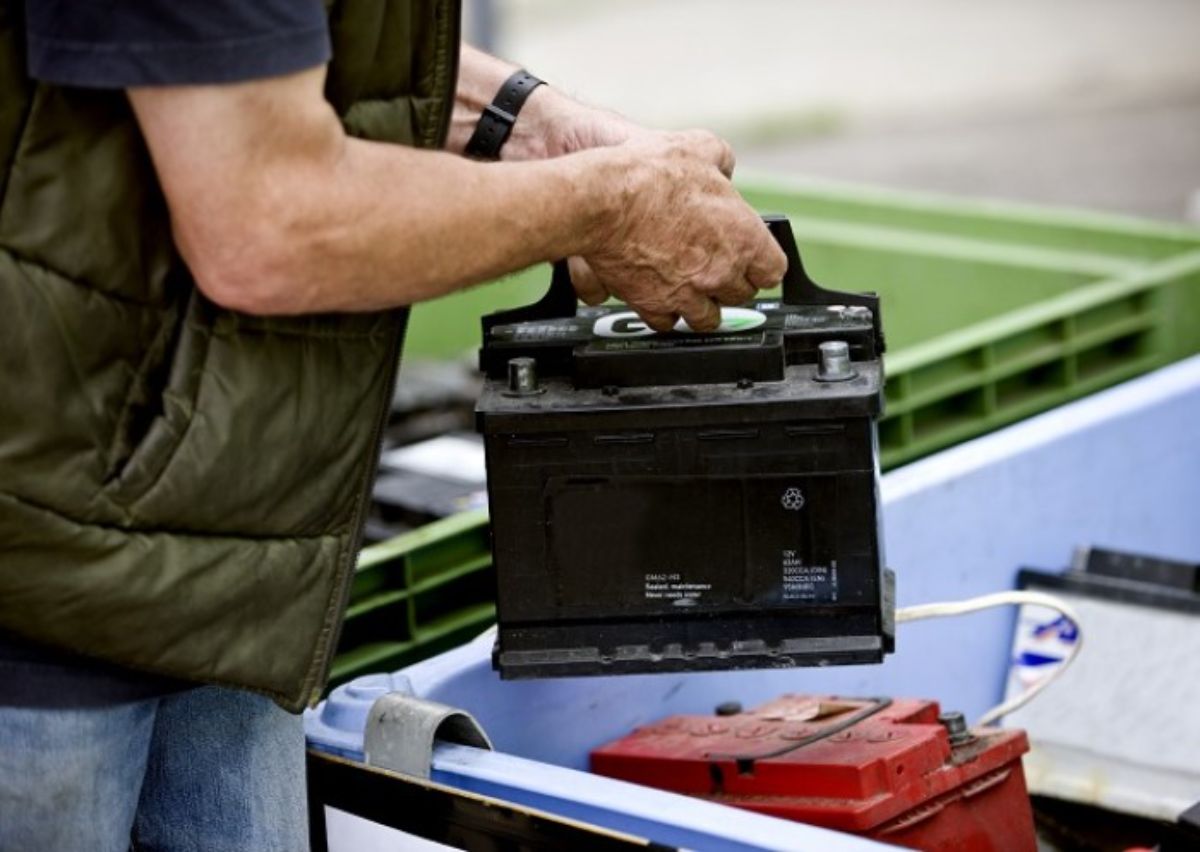
The Hidden Power of “Dead” Lithium Batteries
Australian researchers at Edith Cowan University (ECU) reveal that discarded lithium batteries retain significant amounts of valuable materials. These batteries contain 99% pure lithium, along with nickel and cobalt, essential metals for the electric vehicle industry.
Scientists confirm: This is the most effective way to get your cat’s attention, according to new research
Elderly Couple Refuses Reserved Seats—Viral Train Standoff Sparks Fiery Debate on Courtesy
This discovery could revolutionize the battery industry while significantly reducing environmental impact. The findings come at a crucial time as global battery demand grows by 13% annually.
Environmental Benefits of Battery Recycling
Recycling batteries produces 61% less CO2 emissions compared to mining operations. The process also saves 83% energy and preserves 79% water resources, presenting a compelling case for sustainable practices.
With lithium demand projected to reach 1,600 kilotons by 2026, recycling offers a viable alternative to traditional mining. This approach could help address both environmental concerns and supply chain challenges.
Industry Leaders Taking Action
Major companies are already investing in battery recycling infrastructure. Belgium’s Umicore, America’s Redwood Materials, and China’s CATL are establishing dedicated recycling facilities to support circular economy initiatives.
These investments demonstrate the industry’s commitment to sustainable practices and reducing dependence on raw material mining. The movement represents a significant shift in how we view battery lifecycle management.
Challenges and Opportunities Ahead
While promising, scaling up battery recycling faces several obstacles. Rapidly evolving battery chemistry and regulatory frameworks present technical and administrative challenges to widespread implementation.
However, the potential benefits – including reduced waste, lower environmental impact, and economic opportunities – make this transition worthwhile for both industry and environment.
Future Market Implications
The battery recycling market presents significant economic opportunities. With Australia alone expecting to generate 137,000 tons of battery waste annually, the potential for creating a robust recycling industry is substantial.
Why You Should Never Reheat These Foods in the Microwave – The Hidden Dangers Experts Warn About
I tried the top 5 guard dogs—here’s what makes these breeds the ultimate protectors
Even traditional mining companies are considering battery recycling as they electrify their operations, potentially creating a self-sustaining cycle of battery reuse.
Conclusion
While recycling won’t completely replace mining operations, it offers a crucial pathway toward more sustainable battery production. As technology advances and infrastructure develops, battery recycling could become a cornerstone of the green energy transition, benefiting both the environment and the economy.
Similar Posts
- Realme P4 Power Launching in France 2026: CE Standards to Alter Specs!
- Is This the Breakthrough That Will Let the U.S. Turn Plastic Trash Into Clean Hydrogen and Big Profits?
- Honor Unveils Smartphone with Massive 10,800mAh Battery: Power Up Like Never Before!
- TikTok’s Trending Fruits: How AI Turns Viral Hits into Cash Machines
- Top iPad Cases of 2025: Protect Your Tablet in Style!

Ben Thompson is a tech strategist and contributing journalist. He breaks down complex industry movements into practical insights for everyday users. Known for his sharp analysis of big tech trends and business models, Ben draws from years of experience as a consultant and founder of Stratechery. At Touch Reviews, he focuses on how major innovations—from AI tools to platform shifts—translate into real-life impacts and actionable tips for users who want to stay ahead of the curve.
Ben.Thomson@touchreviews.net