
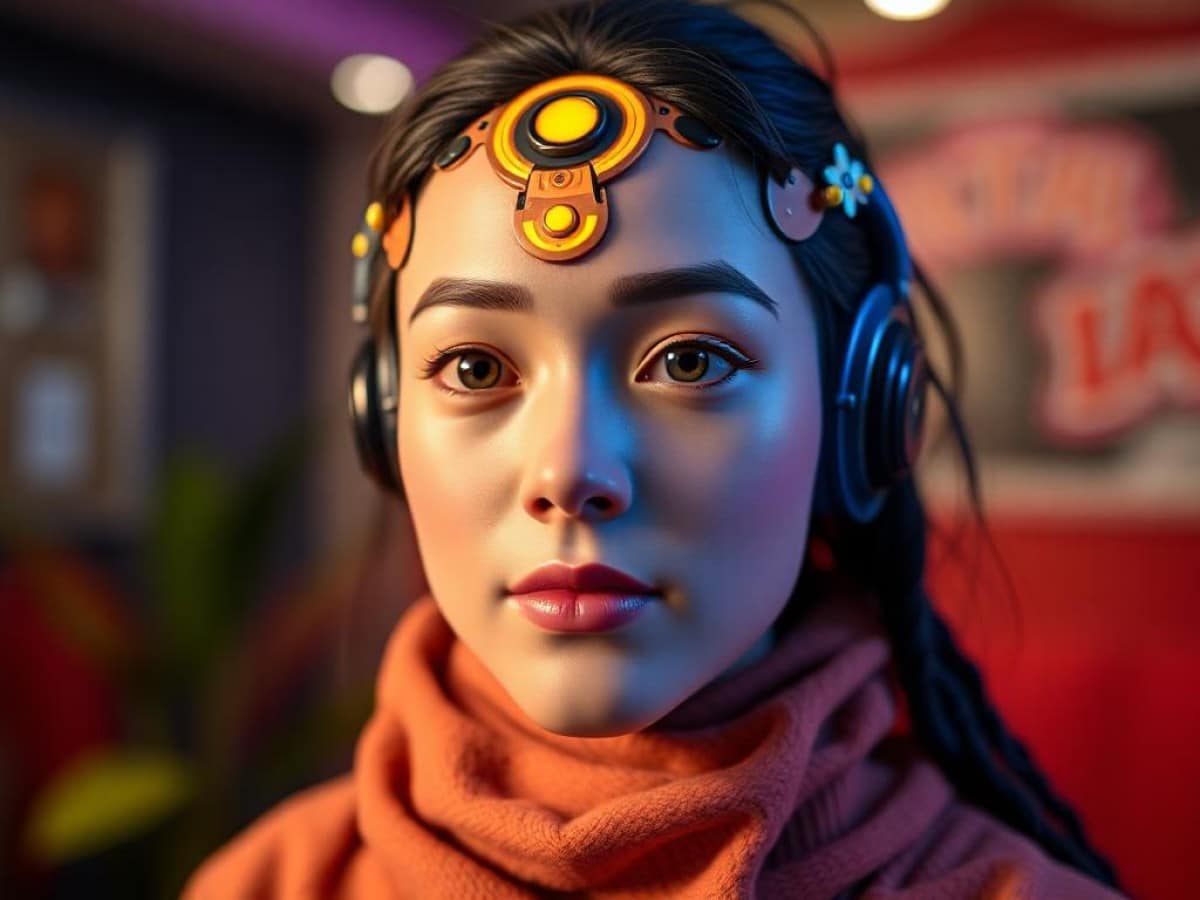
For OpenAI, Sora 2 represents a leap in AI-generated video technology akin to what GPT-3.5 achieved for text generators.
Scientists confirm: This is the most effective way to get your cat’s attention, according to new research
Elderly Couple Refuses Reserved Seats—Viral Train Standoff Sparks Fiery Debate on Courtesy
Since the debut of Sora earlier this year, OpenAI had been relatively quiet about its AI video generator, focusing instead on the release of GPT-5 and new features for ChatGPT. However, with increasing competition from companies like Google and Adobe, OpenAI is stepping up its game. The company recently announced on its blog two significant updates: the launch of the more powerful Sora 2 and a new app designed for video sharing.
Sora 2: More Powerful, More User-Friendly, and More Realistic
When Sora was first released in France in February, it was met with enthusiasm as a promising start. However, the generator had several shortcomings, including issues with dynamic sequences, an imperfect understanding of requested styles, and an overall lack of fluidity and rhythm.
According to OpenAI, Sora 2 is “more accurate, more realistic, and easier to control than previous systems”. To illustrate the significant progress made, OpenAI compares it to ChatGPT: “The original Sora model from February 2024 was, in many ways, the dawn of the GPT-1 era for videos… With Sora 2, we believe we are entering what might be seen as the GPT-3.5 era for video” — in other words, a revolution.
Why You Should Never Reheat These Foods in the Microwave – The Hidden Dangers Experts Warn About
I tried the top 5 guard dogs—here’s what makes these breeds the ultimate protectors
Previous video models were overly optimistic, transforming objects and distorting reality to respond to a text prompt. For example, if a basketball player missed a shot, the ball might spontaneously teleport into the basket. In Sora 2, if a player misses a shot, the ball will realistically bounce off the backboard, as explained by OpenAI.
Unique New Features
Sora 2 doesn’t just improve upon its predecessor; it introduces brand new features that elevate video creation to the next level. The model can now generate audio, including dialogues, sound effects, and background ambiance, all synchronized to enhance the overall production quality of the videos.
OpenAI has also introduced a cameo feature, which allows real people to be inserted into generated scenes with accurate reproduction of their faces, voices, and movements. This feature extends to animals and objects, paving the way for unprecedented creative scenarios.
A TikTok-Inspired App for Sharing Videos
Alongside the launch of Sora 2, OpenAI has unveiled a new application designed for creating and sharing videos. Currently available only on iOS in the USA and Canada, it adopts a format similar to TikTok, featuring a personalized feed and the ability to explore other users’ content. Cameos play a central role in this app. After a brief video and audio recording, a user can appear in generated scenes and invite friends to join in as well.
For younger users, there are limits on how many videos they can view daily and enhanced parental controls. Regarding the use of images, OpenAI promises several safeguards:
- Consent Control: Users maintain control over the use of their images and voices. They can decide who has access to these and can revoke this access at any time.
- Origin and Traceability: Each video generated by Sora carries an origin mark that verifies its AI-generated nature, helping to curb the spread of deepfakes.
- Safety and Moderation: The app will use a combination of automated tools and human moderators to quickly detect misuse and limit inappropriate content.
The effectiveness of these protective measures remains to be seen, as does whether humanity will actually benefit from a TikTok clone dedicated to AI-generated videos.
Similar Posts
- OpenAI May Be Developing an AI-Powered TikTok Clone: Here’s What We Know
- Adobe Firefly Enhances Video Capabilities: Introduces Veo 3, Sound Effects, and More Predefined Styles
- TikTok Empowers Users to Combat the Surge of AI-Generated Content
- Midjourney Unveils New AI Video Generator: Open to All Users!
- NotebookLM Hits iOS and Android: Free App Now Available in France

Jordan Park writes in-depth reviews and editorial opinion pieces for Touch Reviews. With a background in UI/UX design, Jordan offers a unique perspective on device usability and user experience across smartphones, tablets, and mobile software.