

Scientists confirm: This is the most effective way to get your cat’s attention, according to new research
Elderly Couple Refuses Reserved Seats—Viral Train Standoff Sparks Fiery Debate on Courtesy
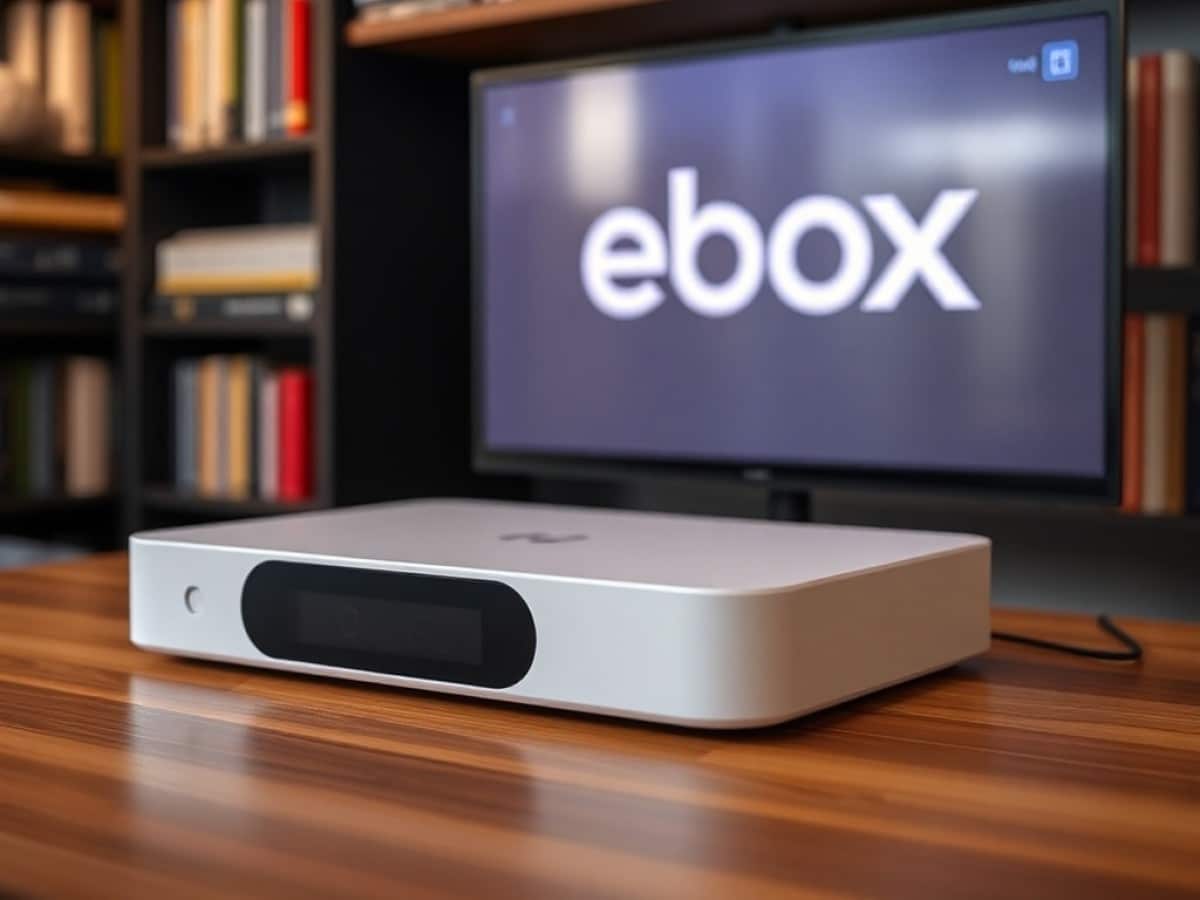
Free has announced the discontinuation of support for two of its Freebox models. The final date of support is set for December 31, 2025, which is less than 10 days away. Subscribers using these two boxes are being encouraged by Free to switch to a different plan. Here’s what’s available and our recommendations.
Although designed to be durable, Freeboxes are not immortal. There inevitably comes a time when Free will cease support for them. This is partly due to costs, but also due to technical reasons: newer security protocols, adjustment tools, and applications are not compatible with older models. Periodically, certain Freeboxes are retired, and their users are asked to switch their subscription plans.
Since the beginning of the year, it has been known that Free plans to discontinue two of its Freebox models. First, the Freebox Crystal, launched in 2013 as a derivative of the Freebox V5, which had already seen a migration campaign in 2021 where some users were moved to the Freebox Mini 4K. Secondly, the Freebox One, introduced in 2018 and replaced by the Freebox Pop two years later. Both of these devices will be phased out on December 31, 2025—in less than a week and a half.
Which Plan to Choose for Freebox Crystal and Freebox One Users?
If you have a subscription with either of these two boxes, you have likely received reminders in recent months to switch to a different plan. Fortunately, migration fees are waived for this occasion. Just remember to make the switch in the coming days. Now, the question remains as to which new box to choose. Free certainly has its suggestions, and we have our recommendations as well. Here are our suggestions for a plan that will suit your needs.
Why You Should Never Reheat These Foods in the Microwave – The Hidden Dangers Experts Warn About
I tried the top 5 guard dogs—here’s what makes these breeds the ultimate protectors
Let’s start with the first scenario: if you have a Freebox Crystal. Free primarily steers you towards four options:
- Freebox Pop at 39 euros per month
- Freebox Pop S at 29 euros per month, the main difference being the absence of a decoder
- Freebox Revolution Light at 29 euros per month, which includes the famous decoder with BluRay player and hard drive
- Freebox Delta at 49 euros per month, featuring the stylish box designed by Devialet and providing more robust performance compared to the Pop
If you own a smart TV (using Tizen, webOS, Google TV, or Vitaa), the Freebox Pop S is advisable. A decoder is no longer a necessity to enjoy all of Free’s services. Simply install the applications on your TV and you’re set. Only in certain scenarios might you need a decoder to use Android TV (if your TV does not support it) or an Apple TV (if you are equipped with Apple products at home). The Freebox Revolution Light remains appealing if you frequently watch BluRay discs (and do not own a gaming console like PS4, PS5, or Xbox).
In the second scenario: if you have a Freebox One, Free guides you towards four different options as well, but they are not the same:
- Freebox Pop at 39 euros per month
- Freebox Delta at 49 euros per month
- Freebox Ultra Essentielle at 49 euros per month, offering Free’s most powerful box currently
- Freebox Ultra at 59 euros per month, featuring the same box and a host of streaming services included
The Freebox Ultra plan is recommended for heavy streaming users. With this box, you get access to Canal Plus, Disney+, Prime Video, Netflix, and Universal+. While all these services are offered in their basic packages, the savings are significant. The Freebox Ultra Essentielle is particularly appealing if you require a strong internet connection (with higher speeds than the Pop). Otherwise, the Freebox Pop serves well too, closely priced to the original Freebox One.
Similar Posts
- Free Enhances Mobile Plan: Same Price, Extra 20GB Data for Under €9/month!
- Free Revolutionizes TV: New App Offers 170 Free Channels Everywhere for Everyone!
- YouTube Launches $20 Duo Premium Plan: Share with a Friend and Save!
- Your Freebox is Losing This Network Coverage Feature: Don’t Panic Yet!
- Top 2€ Mobile Plans: Which Should You Choose From Major Carriers?