
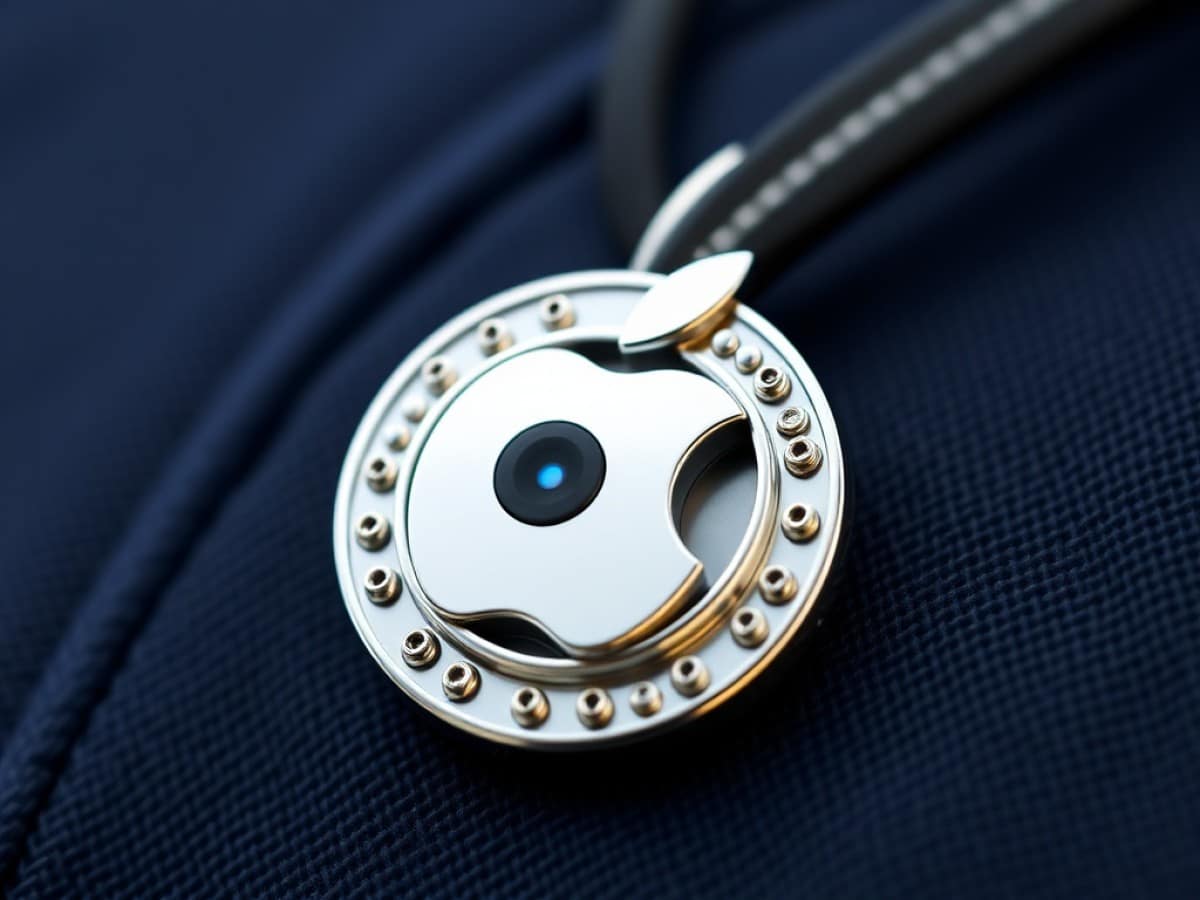
Apple’s Venture into Wearable AI Technology
Apple is reportedly developing a new type of pin-like device equipped with cameras, primarily focused on artificial intelligence features, as per information from The Information. The design of this gadget is described as a disk, resembling an AirTag but thicker. It features two cameras on its front—both a wide-angle and an ultra-wide-angle lens. Additionally, it includes three microphones, a speaker, a physical button on its edge, and supports inductive charging on its back. Should this project come to fruition—since The Information also cautions it might still be canceled—its market launch could potentially happen by 2027, with an initial production estimate of around 20 million units.
Scientists confirm: This is the most effective way to get your cat’s attention, according to new research
Elderly Couple Refuses Reserved Seats—Viral Train Standoff Sparks Fiery Debate on Courtesy
Not Just Another Tech Rumor
It’s important to note that this news arrives well beyond April Fool’s Day, and The Information is respected for its credible sources. While the exact mechanism for attaching the device is not specified, it instantly brings to mind the AI Pin by Humane, which aimed to replace smartphones but quickly ended up as a commercial failure. However, Apple’s version of the device appears to be an accessory that could probably operate independently. More importantly, it seems designed to provide supplementary functions to the iPhone and Apple’s anticipated connected glasses, which could debut as early as next year. This development is certainly one to watch.
Similar Posts
- Apple Halts Development on Camera-Equipped Apple Watch: What’s Next for Tech Giant?
- Apple’s Smart Home Display Finally Launching This Year: What to Expect?
- Apple Watch and AirPods to Feature Cameras by 2027: Tech Evolution Unveiled!
- Apple’s Future Unveiled: Vision Pro, Vision Air & Smart Glasses Through 2029!
- Exclusive Leak: AirPods with Cameras Spotted in macOS Beta Release!

Ethan Rivers focuses on Android smartphones, emerging mobile platforms, and operating systems. With a critical yet fair perspective, he evaluates devices on performance, design, and ecosystem compatibility.