
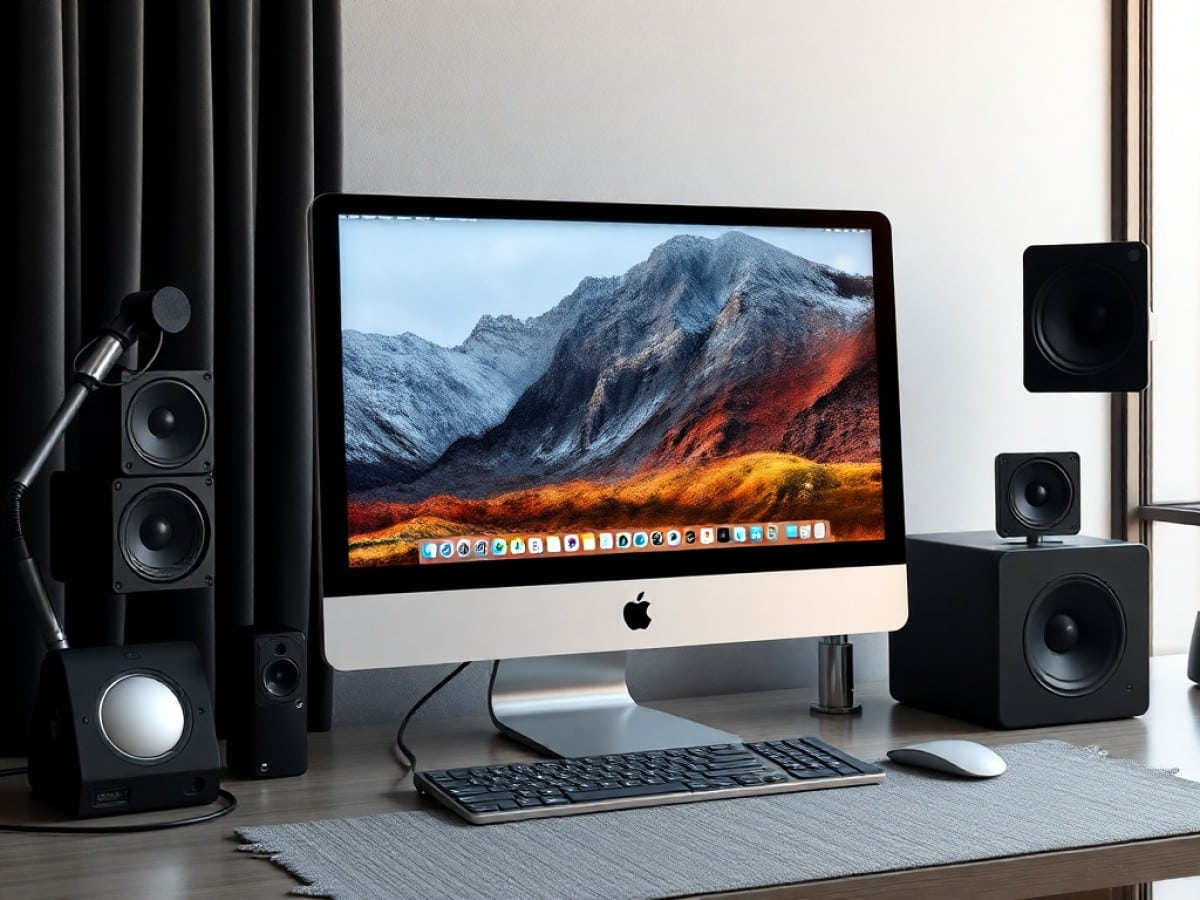
New Studio Display Models Boast Enhanced Storage
Recently unveiled by Apple, the latest versions of the Studio Display now feature 128 GB of internal storage, according to insights from @aaronp613 who explored the inner workings of Apple’s systems. This is a significant increase, doubling the storage capacity from the previous generation. It was already known that these monitors are equipped with the A19 chip along with 8 GB of RAM for the standard Studio Display, and the A19 Pro chip complemented by 12 GB of RAM for the Studio Display XDR model.
Scientists confirm: This is the most effective way to get your cat’s attention, according to new research
Elderly Couple Refuses Reserved Seats—Viral Train Standoff Sparks Fiery Debate on Courtesy
Advanced Features Powered by a Version of iOS
As reported by MacRumors, these displays operate on a modified version of iOS, which manages several advanced functionalities. These include the Center Stage camera technology, color calibration, as well as the control of USB and Thunderbolt peripherals, not to mention spatial audio. By repurposing components originally developed for the iPhone, Apple not only leverages its existing technology but also manages to cut costs compared to sourcing new materials.
However, this strategy does leave something to be desired. With such sophisticated hardware, it’s not far-fetched to imagine these displays running macOS, similar to what the MacBook Neo does with just the A18 Pro chip. Furthermore, one could speculate about the possibility of these screens displaying tvOS when they are not connected to a Mac, adding a layer of versatility and utility to the devices.
Similar Posts
- iPad Pro M5 Hints at 120Hz Studio Display: Is Apple Setting New Standards?
- Apple’s Next Big Thing: New Studio Display with A19 Pro Chip in the Works!
- M5 Chip Launching End of Year: M6 and M7 Chips Under Development
- Apple to Launch New Studio Display Early 2026: Get Ready for Next-Level Visuals!
- iPad Air M4 vs. M3 Showdown: Discover the Key Differences Now!

Ethan Rivers focuses on Android smartphones, emerging mobile platforms, and operating systems. With a critical yet fair perspective, he evaluates devices on performance, design, and ecosystem compatibility.