
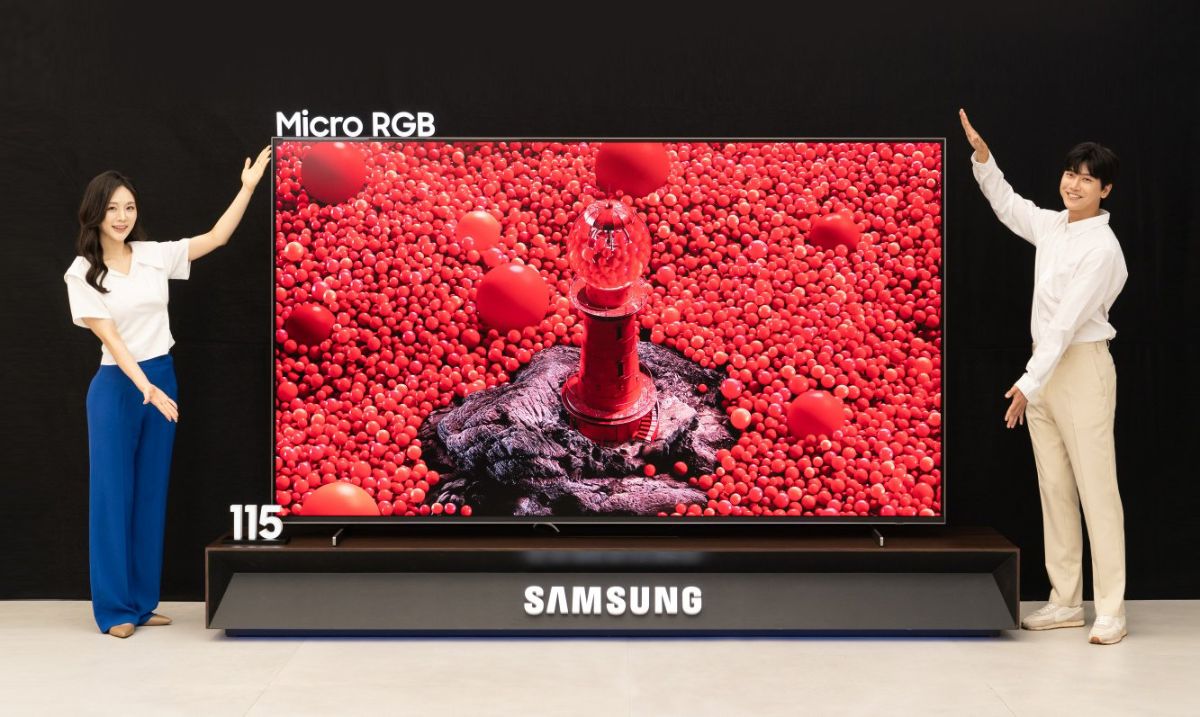
Revolutionary Display Technology Debuts
Samsung launches its first Micro RGB television, featuring independent red, green, and blue Mini LEDs smaller than 100 micrometers each.
Scientists confirm: This is the most effective way to get your cat’s attention, according to new research
Elderly Couple Refuses Reserved Seats—Viral Train Standoff Sparks Fiery Debate on Courtesy
This innovative approach promises superior color accuracy and contrast compared to traditional Mini LED technology, while being more affordable than true Micro LED displays.
Understanding The Technology Difference
Unlike true Micro LED displays that cost $800-1,000 per inch, Samsung’s Micro RGB uses specialized LCD panels with advanced RGB backlighting.
The system incorporates an AI-powered Micro RGB Engine for real-time image processing, enhanced upscaling, and superior anti-glare performance.
Market Positioning And Competition
Major competitors including TCL, Hisense, and Sony are developing similar technologies, signaling a shift in premium TV offerings.
Current high-end alternatives include OLED TVs from LG and Sony, and conventional Mini LED displays offering strong brightness at more accessible price points.
What This Means For American Consumers
The 115-inch Micro RGB TV will initially launch at approximately $32,000, positioning it as a premium option for luxury home theaters.
While expensive, it represents a more attainable alternative to true Micro LED displays, which can cost upwards of $150,000 for similar sizes.
Future Of TV Technology
This launch signals a potential shift in high-end display technology, promising better performance than current Mini LED while being more cost-effective than Micro LED.
Why You Should Never Reheat These Foods in the Microwave – The Hidden Dangers Experts Warn About
I tried the top 5 guard dogs—here’s what makes these breeds the ultimate protectors
Americans can expect more size options and potentially lower prices as the technology matures and competition increases.
Conclusion
Samsung’s Micro RGB TV represents a significant advancement in display technology, offering American consumers a new premium option between traditional Mini LED and ultra-expensive Micro LED displays. While the initial price point targets luxury buyers, this technology could eventually lead to more affordable high-performance TVs for the broader U.S. market. As competition increases and manufacturing scales up, we may see this technology become more accessible to mainstream American consumers.
Similar Posts
- Sony Bravia 7 II Review: More Affordable True RGB Mini LED Than Bravia 9 II!
- Samsung Smart Glasses: Imminent Release and Surprising Features at Launch for Americans
- Discover the Galaxy Tab S10 FE Plus: Premium Features at an Unbeatable Price
- “It’s the Biggest Samsung Smartphone”: The South Korean Giant Prepares an Announcement and a U.S. Launch Before the End of This Year
- Amazon joins the battle for smart glasses against Apple, Samsung, and Meta

Ben Thompson is a tech strategist and contributing journalist. He breaks down complex industry movements into practical insights for everyday users. Known for his sharp analysis of big tech trends and business models, Ben draws from years of experience as a consultant and founder of Stratechery. At Touch Reviews, he focuses on how major innovations—from AI tools to platform shifts—translate into real-life impacts and actionable tips for users who want to stay ahead of the curve.
Ben.Thomson@touchreviews.net