
Scientists confirm: This is the most effective way to get your cat’s attention, according to new research
Elderly Couple Refuses Reserved Seats—Viral Train Standoff Sparks Fiery Debate on Courtesy
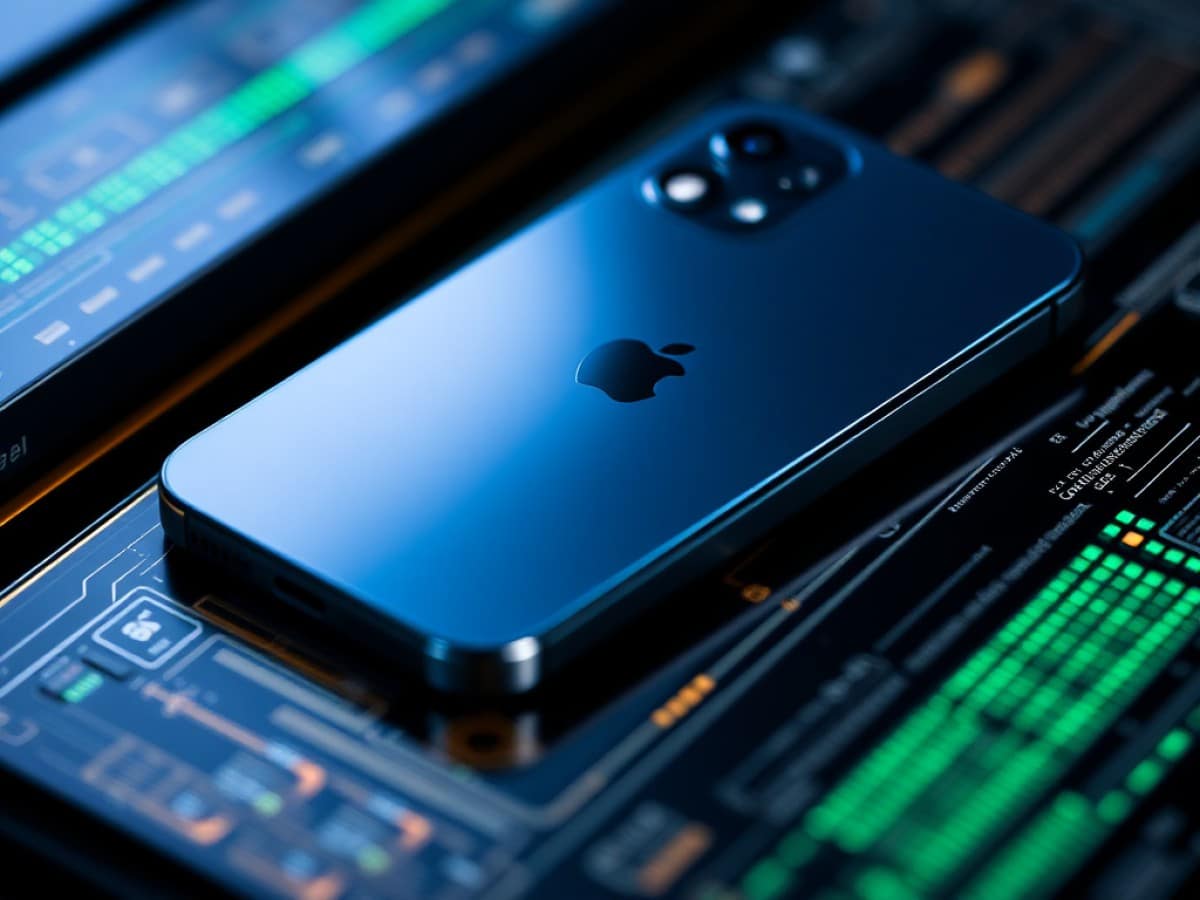
iPhone 18 Pro to Shift from Qualcomm Modems to Apple’s Own C2 Chip
According to a report by Apple Insider, which seems to have discovered details within files leaked from a cyberattack on Tata Electronics, Apple plans to introduce its own internally designed modem, the Apple C2, in the iPhone 18 Pro. However, this shift will not be implemented in the models sold in the United States. The U.S. version of the iPhone 18 Pro will continue to feature Qualcomm components, including the SDX80M modem (Snapdragon X80) that is also used in the iPhone 17 and 17 Pro.
Why the U.S. Models Will Retain Qualcomm Modems
The distinction between the U.S. models and those sold internationally primarily lies in the support for 5G mmWave technology. This technology, known for delivering higher data speeds over short distances, might be the reason behind Apple’s decision to stick with Qualcomm’s modems in the United States. The Apple Insider report suggests that the new Apple C2 modem may not yet be compatible with mmWave frequencies. Consequently, while the U.S. models will keep this high-speed advantage, they might do so at the cost of less energy-efficient modem technology.
Internationally, the integration of Apple’s C2 modem could lead to significant improvements in battery life for the iPhone 18 Pro. Additionally, there is potential for these models to support 5G satellite communications, further enhancing their connectivity capabilities.
Similar Posts
- iPhone 18 Pro Max in the US: Now Featuring the Snapdragon X80 Modem!
- Qualcomm Shocker: Apple’s Revenue Plummets Faster Than Expected!
- iPhone 17 Rumor: New C1X Modem Included, N1 Chip Missing!
- iPhone 18 Pro Max Update: Slight Improvement in Battery Performance!
- iPad Pro M5 Screen in Production: Anticipated Release This Fall!

Ethan Rivers focuses on Android smartphones, emerging mobile platforms, and operating systems. With a critical yet fair perspective, he evaluates devices on performance, design, and ecosystem compatibility.