
Discovering that less can be more
Scientists confirm: This is the most effective way to get your cat’s attention, according to new research
Elderly Couple Refuses Reserved Seats—Viral Train Standoff Sparks Fiery Debate on Courtesy
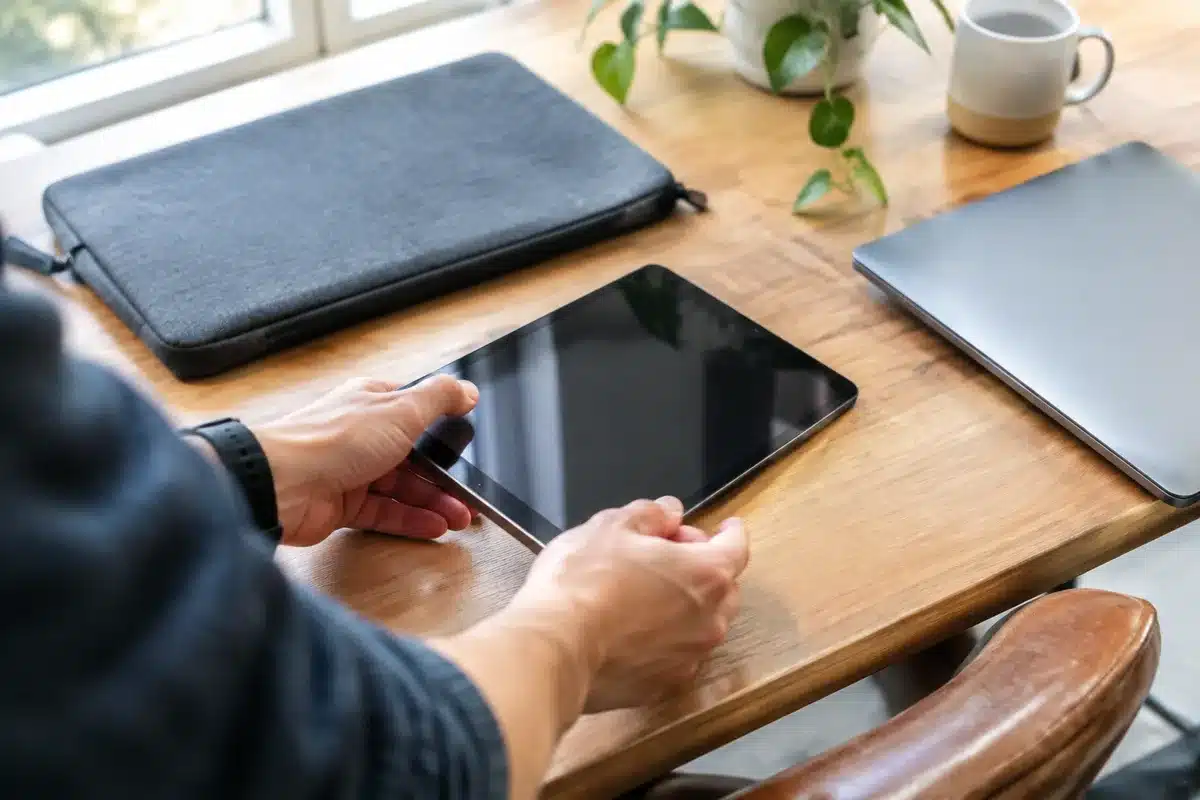
Every so often a device arrives in the Tom’s Guide lab that wins me over the moment I start using it. That was my reaction to the iPad mini 8.
As someone who owned a 12-inch iPad Pro with the M1 chip, three aspects of the mini sold me immediately: its bright OLED screen, its much smaller footprint, and the punchy A20 processor. When Apple also boosted trade-in values right before the mini’s release, the math made the swap hard to pass up — so I traded in my Pro and ordered one.
When I shared the decision on social media, plenty of people thought I’d made a mistake swapping a large, laptop-like tablet for a tiny one. After a week of daily use, though, I’ve concluded they were wrong. Using the mini has made me question why I bought the 12-inch Pro at all. For how I actually live and work, the smaller tablet fits far better.
The trade-in advantage
Apple’s higher trade-in payouts were the trigger for my upgrade. The company quoted me $440 for my 12-inch M1 iPad Pro, which made a top-spec iPad mini much more affordable — roughly $660 if you skip the nano-texture glass. If I’d opted for the base 128GB model instead, my net cost would’ve been closer to $350.
Getting a newer machine with a faster chip and an OLED display at that price felt like excellent value. Even if you don’t chase the highest-end configuration, there’s real savings to be had by timing an upgrade when trade-in allowances are up.
Size really does change the experience
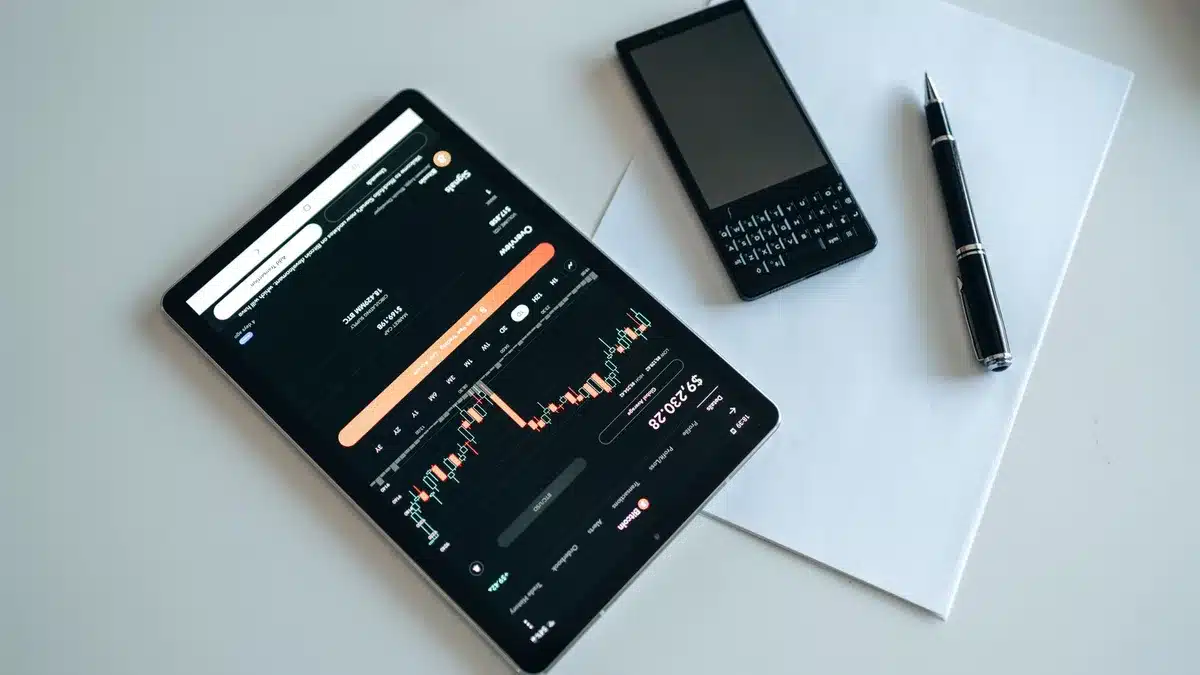
Back in 2021, I bought the 12-inch iPad Pro intending it to act as a laptop substitute. I didn’t have a MacBook then, and the iPad covered a lot of ground — messaging, FaceTime, casual work — especially as a Windows user. That changed two years ago when I picked up a 16-inch MacBook Pro with an M3 Max chip. With a powerful laptop in the mix, my need for the iPad Pro to replace a computer diminished.
Beyond that, the 12-inch Pro wasn’t always convenient to tote or hold. Add the Magic Keyboard and it became quite weighty; balancing it on my lap for long video sessions or just holding it to read made my hands ache. I often needed a case or stand to get a comfortable viewing angle.
The mini is a different animal. Its compact size is genuinely freeing: it’s easy to handle one-handed, sits comfortably on my lap while I watch shows or browse, and slips into a bag without fuss. When I was playing The Legend of Zelda: Ocarina of Time on a Nintendo Switch 2, for example, the mini was perfect for keeping guides and walkthroughs at eye level while I played. It’s the first iPad in a while that really feels like a convenient companion rather than an ersatz laptop.
Why You Should Never Reheat These Foods in the Microwave – The Hidden Dangers Experts Warn About
I tried the top 5 guard dogs—here’s what makes these breeds the ultimate protectors
In the week I’ve had it I’ve started carrying the mini everywhere. It works brilliantly as a second screen with Sidecar or as a lightweight companion next to a primary laptop — scenarios where I never felt motivated to bring the 12-inch Pro along.
OLED versus Mini‑LED
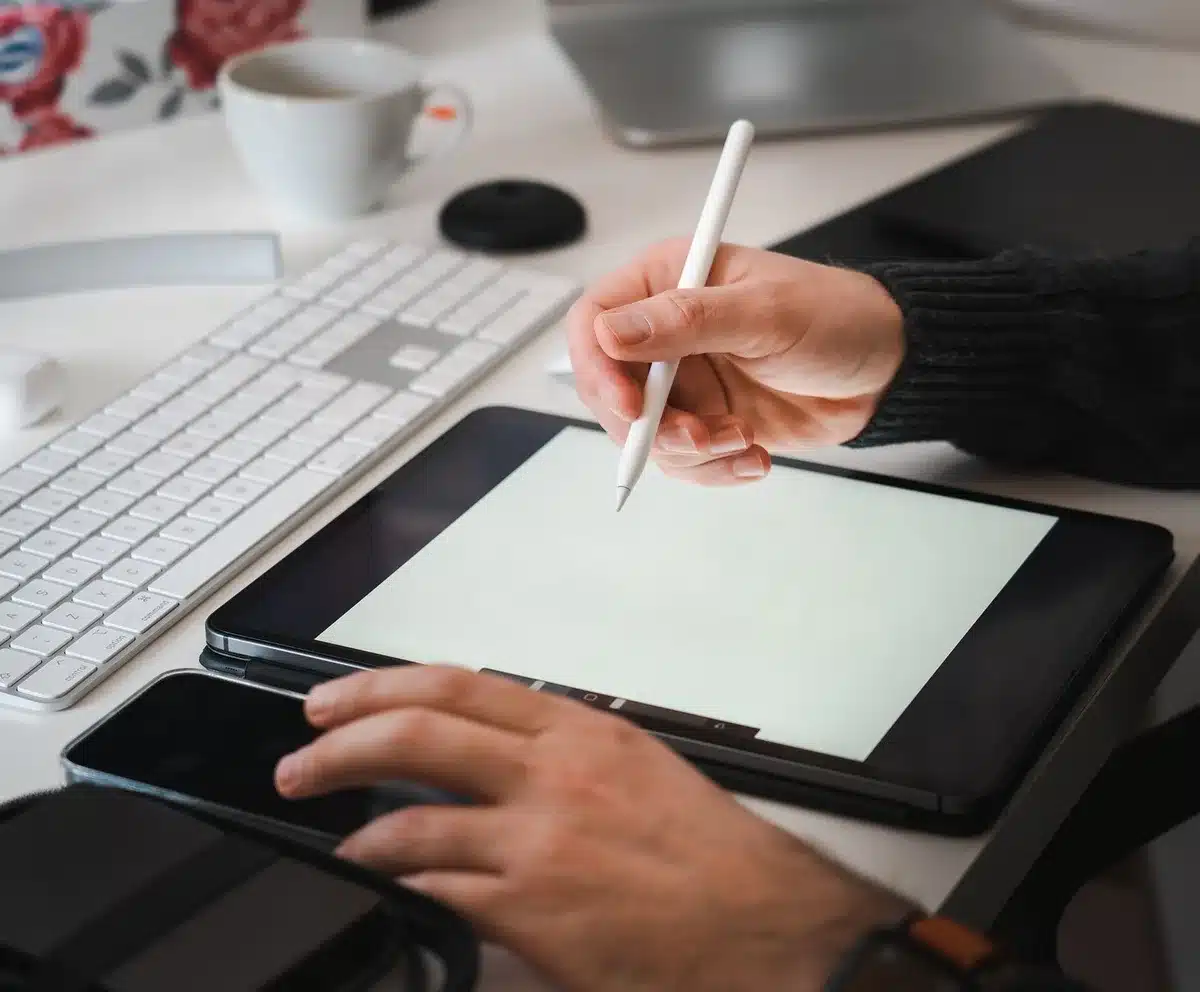
The display is a major reason I felt comfortable swapping down. The iPad mini’s OLED panel delivers richer colors and inky blacks compared with the Mini‑LED screen of my older iPad Pro. My colleague has a deeper technical review on what makes the OLED standout, but from a day‑to‑day perspective the difference is immediately noticeable.
Watching movies and streaming shows look more vibrant on the mini. Scenes with warm highlights — think firelight — have stronger, truer reds and oranges, and skin tones appear more natural. Small textures and details, such as soot and ash on faces in gritty scenes, pop with greater depth on OLED.
It’s worth noting OLED typically can’t reach the same peak brightness as some Mini‑LED panels, but for most indoor viewing the tradeoff is worth it for the color and contrast gains. And no, I didn’t miss the Pro’s 120Hz refresh rate for typical media consumption. The smoother motion of 120Hz is noticeable when scrolling or flicking through the UI, but for movies, shows, and most everyday tasks the 60Hz experience on the mini is perfectly fine.
Can it double as a desktop substitute?
I wanted to test how far the mini could stretch beyond a handheld device. With the A20 Pro inside, it’s a surprisingly capable piece of hardware, so I hooked it up to an Apple Studio Display in our lab to see whether I could actually get work done on it.
To my surprise, the mini handled a full workday admirably. I arranged apps in separate windows, used the external monitor as an extended display, and moved between Google Sheets (in Chrome), Slack, and multiple browsers. It was impressive to complete routine tasks and stay productive using a tablet this small — something that, in the past, felt reserved for Apple’s M‑series iPads.
That capability sets it apart from similarly powered phones; the iPhone Duo, for instance, doesn’t support extended displays and the same windowed multitasking. Seeing those desktop-like features arrive on a smaller, more affordable iPad is a welcome development.
Happy with the swap
After seven days with the mini, I don’t regret trading in my iPad Pro. What started as a financially sensible move turned into an upgrade in how I actually use a tablet. Its portability makes it easy to take everywhere, and the OLED screen is a big step up for media. At the same time, the mini proves capable when I need to do real work, especially when connected to an external monitor.
There are compromises: the screen is significantly smaller than a Pro, and if you’re very sensitive to refresh rates you might notice the absence of 120Hz. But for me, those are small concessions in exchange for a device that’s effortless to carry, pleasant to use, and versatile enough to handle both entertainment and productivity.
I initially bought the iPad mini because the trade-in made it a bargain. After a week of real-world use, I discovered something more meaningful: sometimes an iPad just needs to be a brilliant iPad. In that regard, this little machine delivers.
Follow Tom’s Guide on Google News and add us as a preferred source to get our latest reviews, news, and analysis in your feed.
Similar Posts
- Top Gaming Tablet Alert: 9-Inch OLED Android Outshines iPad Mini
- iPad mini 8 Pre-Order Guide: Secure Apple’s New Mini Tablet Before It Sells Out
- iPad Mini 8 Packs iPhone 17 Pro Power: Here’s the Scoop!
- Revolutionary OLED iPad Mini Set to Debut in October: Excitement Meets Concern
- OnePlus Pad Mini Set for 2026 Debut: Could It Outshine the iPad Mini?

Tobias Nguyen covers mobile technology and social media trends. He combines a background in digital marketing with a passion for emerging tech to provide readers with data-driven insights and practical tech usage tips.