
Scientists confirm: This is the most effective way to get your cat’s attention, according to new research
Elderly Couple Refuses Reserved Seats—Viral Train Standoff Sparks Fiery Debate on Courtesy
The iPad mini 8 (starting at $699) is a major leap forward for Apple’s smallest tablet. It’s the lightest and thinnest mini yet, and for the first time the lineup gains an OLED screen. There’s also an option for a nano-texture coating that cuts reflections, which makes prolonged viewing much more pleasant.
Upgrades extend beyond the exterior. The new A20 Pro processor inside gives this compact slate surprising muscle, and its efficiency helps the battery last a very long time — we recorded over 14 hours in our test. Audio gets a rethink too: Apple’s Acoustic Display technology routes bass and treble through the panel for fuller sound without a traditional speaker array.
Even though the mini 8 doesn’t include Face ID and its display is limited to 60Hz, it remains one of the most compelling iPads available. It’s an excellent pick for streaming movies, reading, and light productivity. I’ve enjoyed using it and expect many others will as well. Read on for the full review.
- What is it? The iPad mini 8 is Apple’s newest compact tablet, redesigned to be slimmer and lighter, upgraded with an OLED screen and powered by the A20 Pro chip.
- Who is it for? People who want a truly portable iPad that still delivers strong performance and long battery life.
- What does it cost? Pricing begins at $699 for the 128GB glossy-screen model. The unit I tested, with a nano-texture display and 512GB of storage, is priced at $1,249.
- What we like: A beautiful OLED display, pocketable form factor, elegant build, impressive performance, and outstanding battery endurance.
- What we don’t like: No Face ID and the screen refreshes at only 60Hz.
Why You Should Never Reheat These Foods in the Microwave – The Hidden Dangers Experts Warn About
I tried the top 5 guard dogs—here’s what makes these breeds the ultimate protectors
| iPad mini 8 (starting) | iPad mini 8 (tested) | |
| Price | $699 | $1,249 |
| Display | 8.5-inch (2316 x 1512) Super Retina XDR | 60Hz (glossy) | 8.5-inch (2316 x 1512) Super Retina XDR | 60Hz (nano-texture) |
| Chipset | A20 Pro (5-core CPU / 7-core GPU / 16-core Neural Engine) | A20 Pro (6-core CPU / 7-core GPU / 16-core Neural Engine) |
| Storage | 128GB | 512GB |
| Cameras | Rear: 12MP wide (f/1.8) | Front: 12MP Center Stage (f/2.0) | Rear: 12MP wide (f/1.8) | Front: 12MP Center Stage (f/2.0) |
| Video | Up to 4K at 60 fps | Up to 4K at 60 fps |
| Connectivity | Wi‑Fi 7, Bluetooth 6 | Wi‑Fi 7, Bluetooth 6, 5G |
| Water resistance | IP67 | IP67 |
| Battery life | Rated 10 hours | 14:24 (tested) |
| Dimensions | 7.69 x 5.22 x 0.21 inches | |
| Weight | 0.56 pounds | 0.58 pounds |
The iPad mini 8 stands out as an exceptional small tablet thanks to its portable build and an eye-catching OLED display. Add near-iPad-Air performance and excellent battery life, and the package is compelling.
Refined, lighter build
Apple has slimmed down the mini 8 and shaved off weight compared with earlier versions, making it even easier to carry and hold. In practice that means reading e-books and comics one-handed felt more comfortable for longer stretches. The aluminum frame is solid and smooth, and the finishes — Midnight and Starlight — are tasteful.
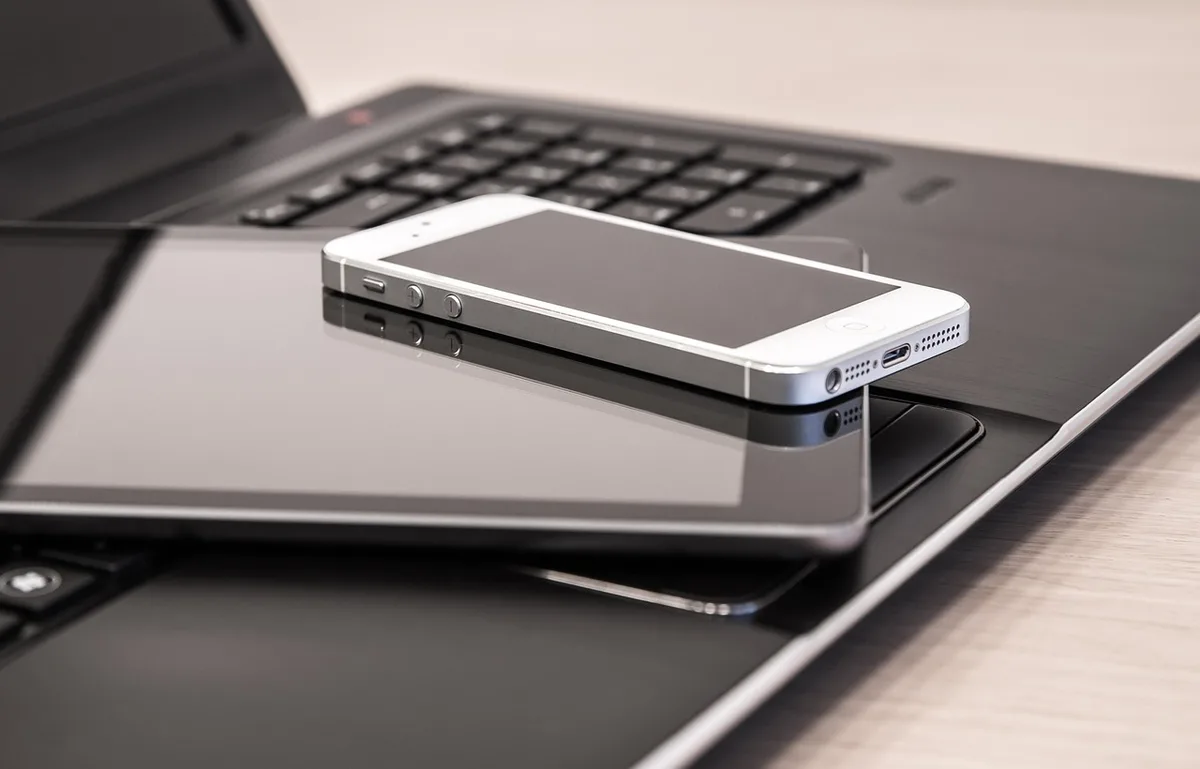
A notable layout change is the repositioned 12MP front camera, now optimized for landscape orientation so you stay centered on video calls and in selfies more naturally. The rear 12MP shooter remains where it was, and the power button with Touch ID and the volume controls still sit along the top edge when the device is held upright.
For the first time in the mini line, Apple includes IP67 dust and water resistance, which offers added peace of mind when using the tablet near water or outdoors in damp conditions.
Striking OLED display
The screen on the mini 8 has been upgraded in several meaningful ways. Trimming the bezels gave Apple room to expand the panel to 8.5 inches (up from 8.3), and the resolution rises to 2316 x 1512 for a pixel density of 326 ppi. More importantly, Apple switched to OLED, which brings deeper blacks and more dynamic contrast.
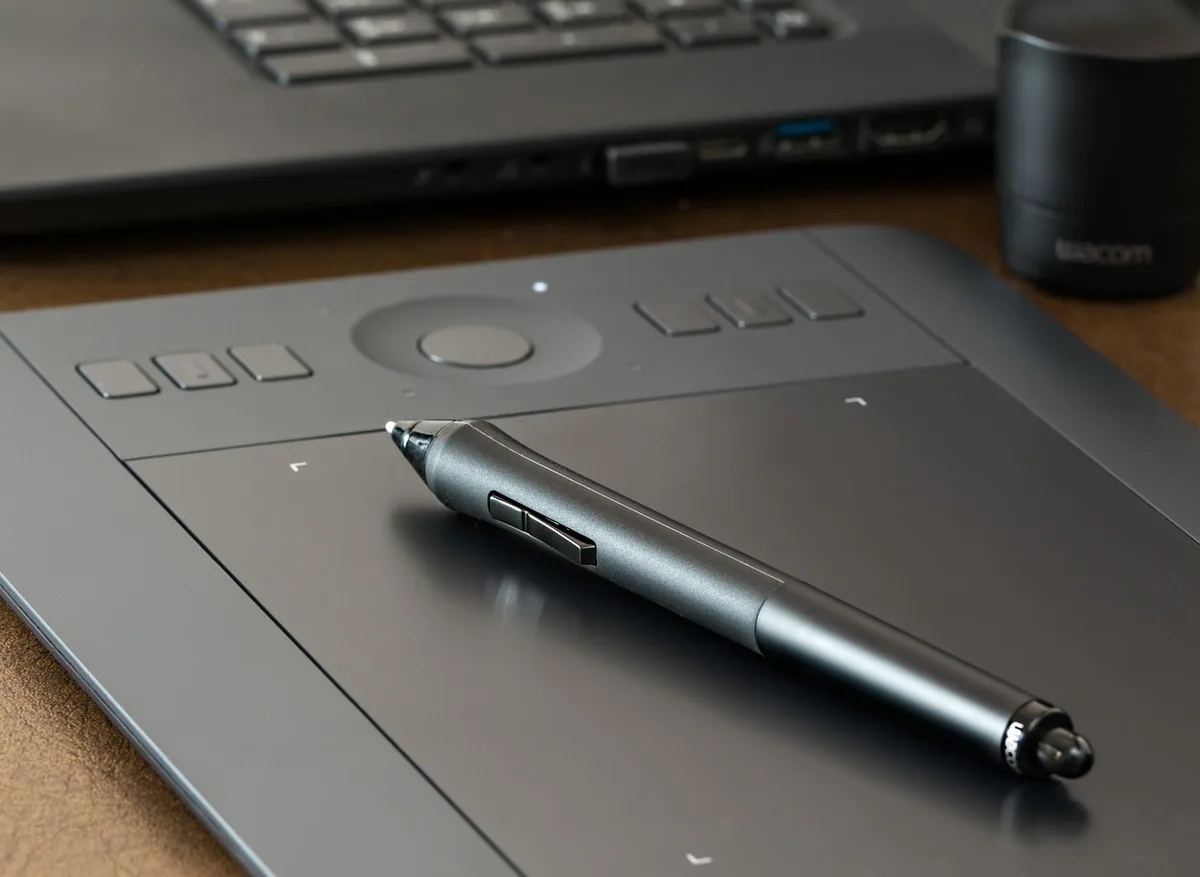
Blacks are truly inky and colors look punchier than before. Watching footage of molten lava, the reds and oranges felt intense and rich, while finer details in the surrounding scene remained clear. The nano-texture option on my review unit did an excellent job of cutting down reflections without noticeably muting color intensity. A glossy finish will often look slightly more vibrant, but the reduced glare provided by nano-texture is a worthwhile trade for many users.
| iPad mini 8 | iPad mini 7 | |
| Nits (brightness) | 600 (SDR) | 1032 (HDR, 40% window) | 494 (SDR) | 492 (HDR, 40% window) |
| sRGB | 117% | 107.7% |
| DCI‑P3 | 82.9% | 76.3% |
| Delta‑E | 0.27 | 0.21 |
In our lab checks, Apple’s claim of about 600 nits for SDR holds up, and HDR brightness peaked above 1,000 nits (Apple advertises up to 1,200 nits for HDR peaks). That level of brightness is a big step up from the previous mini and makes the display extremely usable outdoors when needed.
Color coverage has increased, and hues appear more vibrant without being oversaturated. Overall color accuracy is strong, so images look lively but still natural.
Strong performance for a compact tablet
Under the hood the mini 8 uses Apple’s A20 Pro, a 2nm chip also found in the latest iPhone 18 Pro models. The cellular review unit I tested featured a 6‑core CPU alongside the 7‑core GPU, giving it extra processing headroom. That hardware pushes the mini 8 close to the speed of an M4‑equipped iPad Air in many tasks, which is impressive given the size differences.
During everyday use the tablet handled dozens of browser tabs and a YouTube stream without stuttering. It’s capable of productive work for users who need email, documents, or light multitasking. Gaming is solid too — Resident Evil 4 Remake ran smoothly at around 30 fps in my time with it.
| iPad mini 8 | iPad mini 7 | iPad Air (M4) | |
| Geekbench 6 (single‑core) | 4,720 | 2,883 | 3,745 |
| Geekbench 6.7 (multi‑core) | 12,697 | 7,213 | 13,342 |
| 3DMark Wild Life Extreme Unlimited (score / fps) | 9,119 / 54.6 fps | 3,001 / 18 fps | 6,730 / 40.3 fps |
The benchmark figures back up the real‑world impression: the mini 8 significantly outperforms the prior-generation mini on CPU and GPU tests. While the M4 iPad Air still tops it in some multi-core scenarios, the gap is narrower than you might expect, and the mini 8 even bests the Air on the GPU test we ran.
Battery life that easily lasts the day
Apple rates the mini 8 for up to 10 hours of web browsing or video playback, but our lab test showed far longer endurance. In Tom’s Guide’s continuous web‑surfing test over Wi‑Fi at a screen brightness of 150 nits, the mini 8 ran for 14 hours and 24 minutes — a considerable improvement over the previous generation.
| Time (hours:mins) | |
| iPad mini 8 | 14:24 |
| iPad mini 7 | 10:36 |
We usually run the battery test multiple times to average results, but only managed a single run for this review; I’ll update if follow-up tests change the clock significantly. For now, this places the mini 8 among the longest‑lasting iPads we’ve measured.
Surprisingly robust audio
Instead of relying on a conventional speaker array, Apple uses an Acoustic Display system in the mini 8: woofers and tweeters integrated with the panel and enclosure deliver sound directly through the display. In practice this yields fuller bass and clear highs compared with what you’d expect from a device this size.
Audio from podcasts was crisp and dialogue remained intelligible even at modest volumes. Trailers and music tracks sounded lively; one demo I enjoyed was a heavy, guitar‑driven cover that retained punch and clarity. The mini 8 won’t match the sheer loudness or bass depth of an iPad Pro, but it’s among the best-sounding small tablets we’ve tested.
Improved cameras
Repositioning the front 12MP Center Stage camera for landscape orientation improves framing during video calls and selfies. The front lens also benefits from a wider f/2.0 aperture (up from f/2.4), which helps capture better images in lower light. In real‑world shots the front camera reproduces facial details, clothing textures, and background elements well.
The rear 12MP sensor continues to record up to 4K video at 60 fps and now adds an Adaptive True Tone flash to assist with low‑light photos and document scans. Overall, both cameras perform admirably for everyday use.
iPadOS 27
The mini 8 ships with iPadOS 27. This release is more evolutionary than revolutionary, introducing refinements across the system and deeper AI features while polishing the user interface.
One notable change is a more capable Siri, which now has a dedicated app-like presence and behaves more like a conversational assistant. Siri can reference what’s on your screen and perform actions such as scheduling events. The Liquid Glass visual elements are less obtrusive than in prior iterations, and there are more customization options for how the interface behaves.
iPadOS 27 leans heavily into Apple Intelligence and Siri‑driven features; how much you’ll use those depends on your workflow. Features like summarized notifications can be handy even if you don’t adopt AI helpers fully. Overall, the OS feels smooth and stable on the mini 8.
Despite the many improvements, the mini 8 omits a couple of features that some buyers may expect.
No Face ID
Face ID remains absent from the mini 8, which is a disappointment for fans of that hands‑free unlocking method. Apple kept Touch ID in the power button, which works reliably, but the lack of Face ID is surprising given the device’s other modernizations. There may be engineering or cost reasons for the omission, but it’s still a noticeable missing piece.
No 120Hz display
Although the move to OLED, a larger panel, and higher resolution represent meaningful display upgrades, Apple didn’t include ProMotion. The screen refreshes at 60Hz, so you won’t get the ultra‑smooth scrolling and animations of a 120Hz iPad Pro. For many users 60Hz feels fluid for video and most games, but those accustomed to 120Hz may notice less silky motion when swiping or navigating the UI.
That said, touch responsiveness is snappy, whether you use your finger or an Apple Pencil Pro for notes and sketches — the stylus experience remains excellent on the mini’s display.
The iPad mini 8 is a delightful compact tablet that I kept reaching for over larger devices. Its OLED screen makes media and text look superb, and the reduced weight and thinner profile improve handheld comfort. Even though the price has crept up, the combination of portability, performance, and feature set makes it an attractive purchase for anyone who wants a very capable small iPad. It also hints at Apple’s direction for future tablets, with technologies like Acoustic Display likely to appear in additional models down the line.
Follow Tom’s Guide on Google News and add us as a preferred source to get our latest news, analysis, and reviews in your feeds.
Similar Posts
- Apple iPad mini OLED with A20 Pro: New Compact Powerhouse Unveiled
- Top 7 Early Black Friday iPad Deals: Save Up to $200 Instantly!
- iPad mini 8 Pre-Order Guide: Secure Apple’s New Mini Tablet Before It Sells Out
- iPad Mini 8 Packs iPhone 17 Pro Power: Here’s the Scoop!
- Apple Shatters Records: iPad Pro M5 Review Reveals Most Powerful Tablet Ever!

Tobias Nguyen covers mobile technology and social media trends. He combines a background in digital marketing with a passion for emerging tech to provide readers with data-driven insights and practical tech usage tips.