
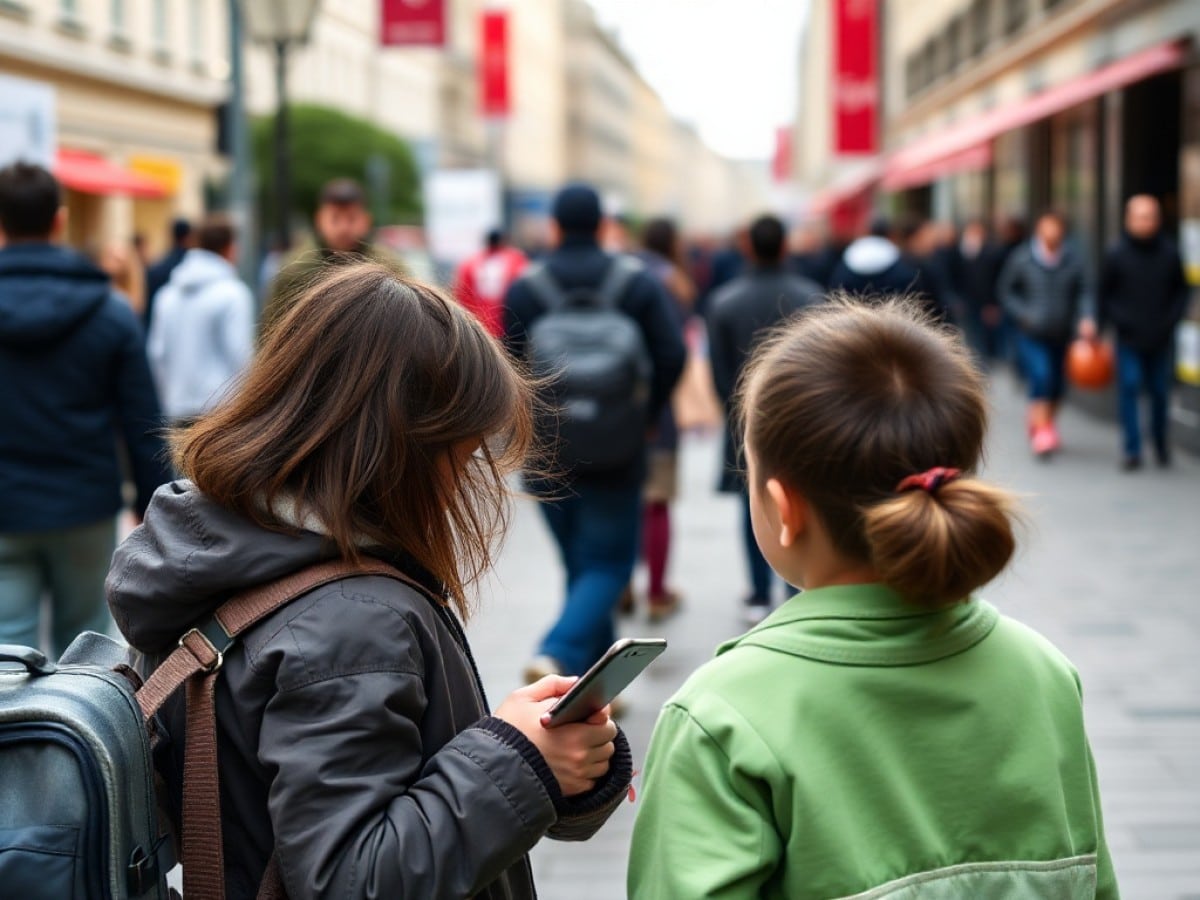
Can the State Truly Keep Minors Off Social Platforms?
Scientists confirm: This is the most effective way to get your cat’s attention, according to new research
Elderly Couple Refuses Reserved Seats—Viral Train Standoff Sparks Fiery Debate on Courtesy
The issue of minors accessing social media platforms is increasingly becoming a topic of public discussion, especially following a recent statement from Emmanuel Macron on the subject.
Amid concerns about mental health, sleep disturbances, and the spread of misinformation, highlighted by a recent study, digital regulation is now being addressed as a significant policy issue.
Governmental Bill Scheduled for 2026
The Junior Minister for Artificial Intelligence and Digital Affairs, Anne Le Hénanff, has confirmed to Le Parisien that a bill to ban social media access for those under 15 has been completed.
This bill is set to be debated in Parliament at the start of 2026, pending the budgetary schedule. This action is part of a commitment recently made by Emmanuel Macron and aligns with similar initiatives, such as one recently adopted in Australia.
Why You Should Never Reheat These Foods in the Microwave – The Hidden Dangers Experts Warn About
I tried the top 5 guard dogs—here’s what makes these breeds the ultimate protectors
The bill proposes establishing a digital age of consent at 15 years old and would require age verification to access social media platforms. It also includes a provision for the total ban of mobile phones in high schools.
According to the minister’s statement, the government aims for a concise framework, designed to comply with European law, particularly the Digital Services Act (DSA).
Laure Miller Advocates for a Stricter Approach
Parallel to the government’s proposal, Member of Parliament Laure Miller has introduced her own bill. While she supports the under-15 social media ban, she also argues for a digital curfew for teenagers aged 15 to 18, restricting access to social media from 10 PM to 8 AM.
This proposal raises legal questions, acknowledged by Miller herself, so much so that the president of the National Assembly has sought advice from the Council of State to identify potential conflicts with public liberties.
For Miller, however, addressing these concerns is crucial to the issues of sleep and health in young people, often highlighted by experts.
Balancing Parental Responsibility and European Frameworks
To push boundaries further, the Marne deputy suggests the possibility of penalizing parents for digital negligence, building on an existing law to hold households accountable for excessive screen use by minors.
While Brussels had put a brake on French ambitions in 2023, the European Commission now appears to give member states more leeway to legislate domestically. This shift in policy could finally allow France to implement an enforceable framework…
Similar Posts
- Emmanuel Macron Takes on Social Media Algorithms: Élysée Sparks Debate on Online Influence
- Emmanuel Macron Plans to Ban Social Media for Under 16s: Sparks Major Debate
- Social Media Alert: Senate Sets Digital Age of Consent at 13
- AI-Generated Fake News Shocks Social Media, Stirs Concern at the Élysée
- France Considers TikTok Ban for Minors, Nightly Curfew from 10 PM to 8 AM: Will It Happen?

Samantha Klein is a seasoned tech journalist with a sharp focus on Apple and mobile ecosystems. With over a decade of experience, she brings insightful commentary and deep technical understanding to the fast-evolving world of consumer technology.