
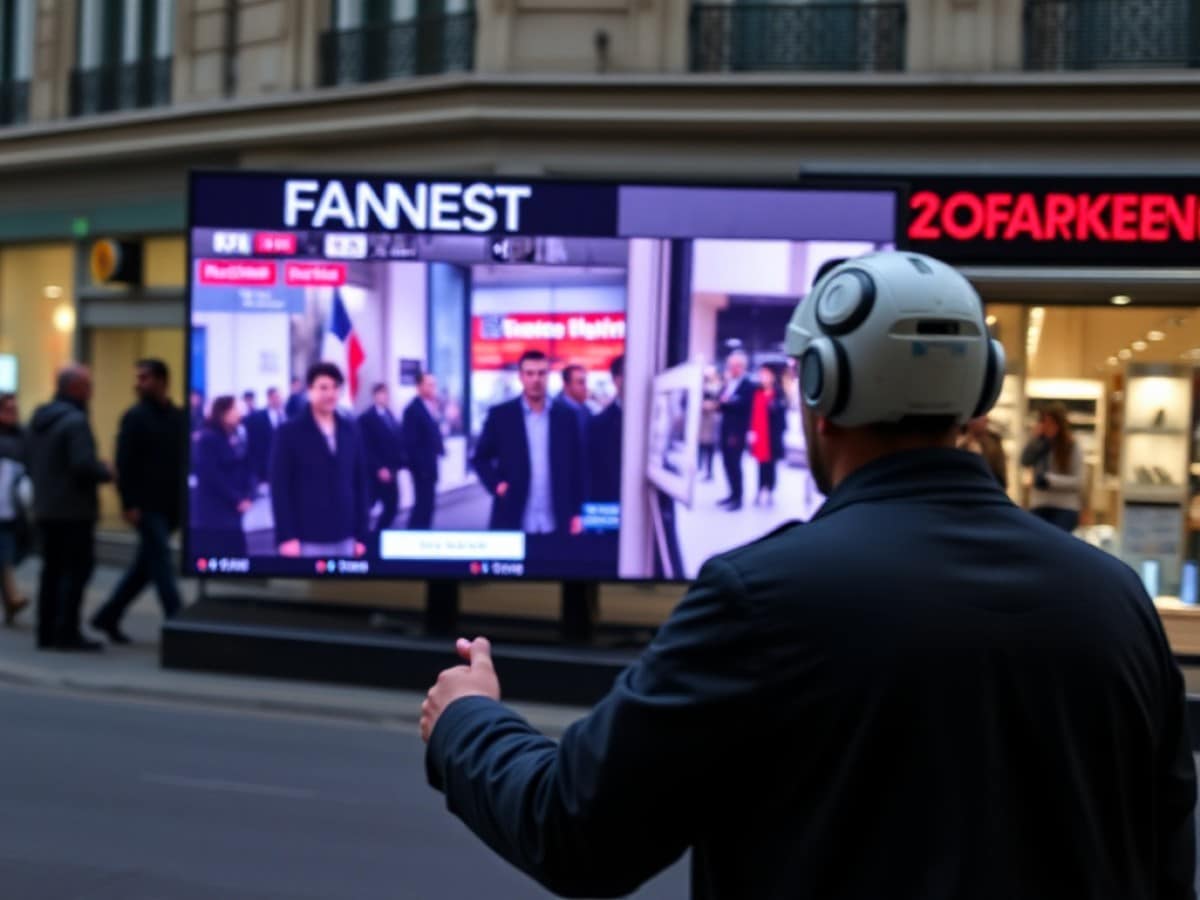
Can AI-generated videos destabilize a country?
Scientists confirm: This is the most effective way to get your cat’s attention, according to new research
Elderly Couple Refuses Reserved Seats—Viral Train Standoff Sparks Fiery Debate on Courtesy
Disinformation is no longer an obscure phenomenon on social networks, and as artificial intelligence tools become more advanced, some videos are now able to almost perfectly mimic the style of mainstream media.
This advancement brings new challenges for politicians, digital platforms, and citizens, especially when these contents directly threaten democratic stability…
A viral fake news video mimicking news channel formats
The controversy began with a video posted on December 10 on Facebook, created using artificial intelligence, which mimics the look of a 24-hour news channel.
The video features a reporter, microphone in hand, standing in front of a tense crowd during an agricultural crisis, reporting a supposed coup d’état in France. It describes an anonymous colonel seizing power and the potential downfall of President Emmanuel Macron.
Why You Should Never Reheat These Foods in the Microwave – The Hidden Dangers Experts Warn About
I tried the top 5 guard dogs—here’s what makes these breeds the ultimate protectors
Despite its fictional nature, the video went viral, amassing about 12 to 13 million views. Its widespread reach even crossed French borders, causing concern among foreign officials. Emmanuel Macron mentioned receiving a worried message from an African leader, who believed that the French political landscape had just shifted dramatically.
Facebook’s refusal to remove the video
Alerted by this spread, the President of the Republic stated that he had requested the removal of the content from Facebook. French teams also engaged the platform Pharos, dedicated to reporting illicit content. However, the social network’s response was negative: according to Facebook, the video did not violate its usage policies.
This stance sharply triggered Macron, who during a public conversation with readers of the newspaper La Provence, criticized the platform’s attitude, arguing that such content jeopardizes the tranquility of public debate. The President also highlighted a discrepancy between the actual impact of these videos and how major digital platforms perceive them.
Political concerns ahead of upcoming electoral milestones
Beyond this specific incident, the executive branch is concerned about the environment in which these false informations proliferate. Indeed, the upcoming local elections in March, followed by the presidential election in 2027, are prime times for manipulation attempts. For now, the Élysée claims not to have identified, at this stage, the creators of the video or their possible foreign origin.
For Emmanuel Macron, this case highlights the current limitations of social network regulation, as even at the highest level of the state, the leeway against platforms remains limited…
Similar Posts
- Emmanuel Macron Plans to Ban Social Media for Under 16s: Sparks Major Debate
- Emmanuel Macron Takes on Social Media Algorithms: Élysée Sparks Debate on Online Influence
- Banning Social Media for Kids Under 15: Government Proposes Digital Age of Consent
- Influencers: The Top News Source in the US, New Study Reveals
- France Considers TikTok Ban for Minors, Nightly Curfew from 10 PM to 8 AM: Will It Happen?

Samantha Klein is a seasoned tech journalist with a sharp focus on Apple and mobile ecosystems. With over a decade of experience, she brings insightful commentary and deep technical understanding to the fast-evolving world of consumer technology.