
Is the Social Network Soon to be Banned for Young Users?
Scientists confirm: This is the most effective way to get your cat’s attention, according to new research
Elderly Couple Refuses Reserved Seats—Viral Train Standoff Sparks Fiery Debate on Courtesy
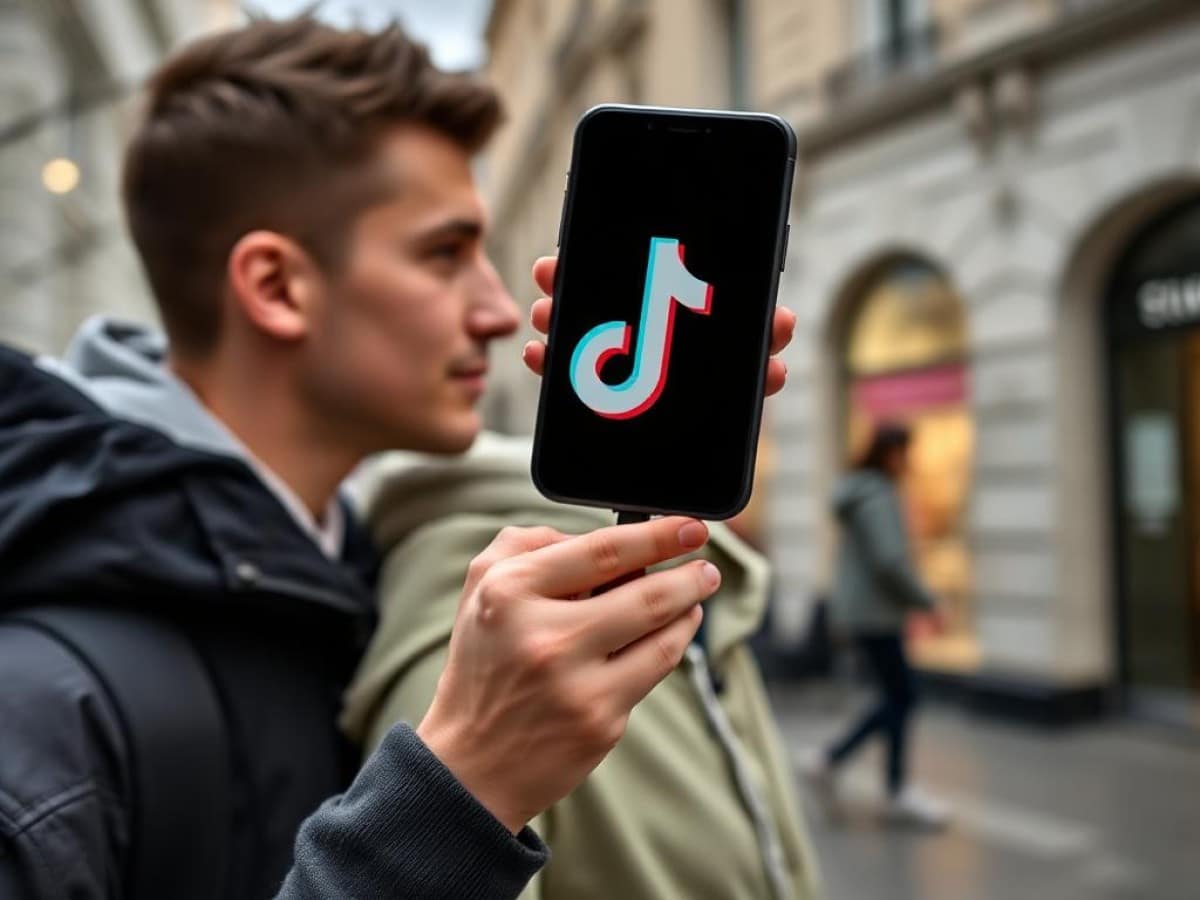
Last year, TikTok was at the center of a controversy when it was revealed how the social network deliberately encouraged young users to engage with its platform. Despite this, the Chinese giant has since increased its efforts to implement protective measures for minors.
However, according to a recent investigative committee, French lawmakers are looking to tighten regulations on minors’ use of social networks, starting with TikTok. They are drawing inspiration from Australia, which has already passed a law banning the platform for those under 16.
In a parliamentary report published on September 11, TikTok has been accused of having “devastating” effects on the mental health of young users, prompting calls for a complete ban of the app and other social networks for those under 15 years old.
Alarming Findings on TikTok’s Impact
The report, which utilizes data from Médiamétrie, indicates that 40% of teenagers use TikTok daily. However, lawmakers see a threat to youth beyond the viral videos. The inquiry, led by Arthur Delaporte (PS) and Laure Miller (Renaissance), highlights an “ocean of trash,” fueled by an algorithm designed to capture attention at the expense of user wellbeing.
Why You Should Never Reheat These Foods in the Microwave – The Hidden Dangers Experts Warn About
I tried the top 5 guard dogs—here’s what makes these breeds the ultimate protectors
The lawmakers criticize the platform for widely spreading misinformation, violent content, and suicide-inducing material, reminiscent of a previous lawsuit against TikTok following the suicide of a 15-year-old girl.
The report discusses compulsive usage, with teens connected sometimes until the middle of the night, and according to Médiamétrie, young people spend an average of 3 hours and 11 minutes per day on social networks and messaging apps.
Towards a Ban and a Digital Curfew?
Given these findings, the lawmakers have proposed 43 measures, some of which are unprecedented in Europe. One of the most significant is to ban social media access for those under 15, with a national implementation if Europe does not move swiftly enough.
While this measure may seem far off, Emmanuel Macron has already expressed his support for this direction and might expedite the decision.
Another key suggestion involves a digital curfew from 10 PM to 8 AM for 15-18 year-olds. The aim is to curb nighttime use, which is often cited as a cause of addiction and sleep disorders.
The report also recommends stricter regulation of algorithms, which are accused of favoring more extreme content, as well as a system to better verify the ages of minors online.
Similar Posts
- EU Accuses TikTok: Platform Promotes Addiction Among Minors
- Europe Considers Social Media Ban for Minors: Tackling Online Dangers
- Misinformation and Mental Health Crisis: TikTok Faces NGO Outcry in Europe
- Kids and Social Media: Online Hours Soar, Mental Health Concerns Rise
- TikTok in Legal Battle: 16 Families Accuse Platform of Promoting Suicide to Youth

Samantha Klein is a seasoned tech journalist with a sharp focus on Apple and mobile ecosystems. With over a decade of experience, she brings insightful commentary and deep technical understanding to the fast-evolving world of consumer technology.