
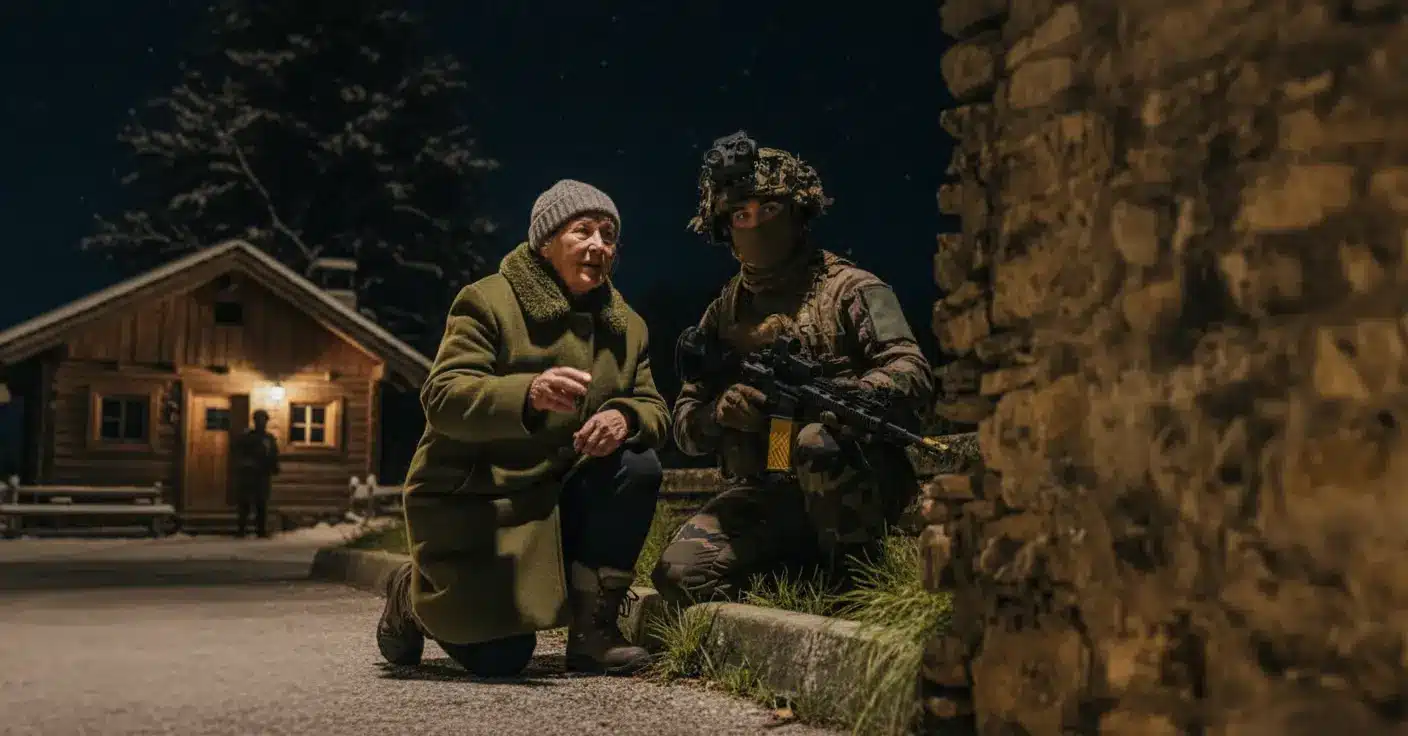
When Stories Outshine the Summits: Legendary Bravery and Unlikely Heroes in the WWII Alpine Maquis
Scientists confirm: This is the most effective way to get your cat’s attention, according to new research
Elderly Couple Refuses Reserved Seats—Viral Train Standoff Sparks Fiery Debate on Courtesy
Forging Resistance in the Vercors: Where History Climbs and Legends Are Born
The Vercors, a rugged mountain plateau in southeastern France, was home to one of World War II’s most stirring tales of resistance. Born from hardship, ingenuity, and a dash of that irrepressible French audacity, the region’s maquis—irregular bands of guerrilla fighters—became a crucible for ordinary people pushed to extraordinary acts. As the Second World War swept through Europe, the stories of those who chose to resist, to hide, to shelter, and sometimes to defy death itself, began weaving a legendary Alpine tapestry that keeps historians coming back for more.
The Faces of Courage: Diverse Roots, Shared Destiny
History doesn’t pick its cast for grandeur; it pitches everyday people into the spotlight. In the Vercors, resistance came in many forms—French, Italian, Luxembourgish, and more—each drawn into the fight by a different twist of fate:
- Pierre Rangheard: Born in Maizières-lès-Brienne in 1910, Rangheard was an officer in the French Army who distinguished himself in the Camouflage du Matériel network (CDM) in Lyon, a group dedicated to hiding weapons and supplies from occupying forces. When the time came, Rangheard led a company responsible for munitions and logistics in the Maquis du Vercors, organizing daring depot operations and participating in combative actions against the Germans. Notably, as a Captain in the FFI, he took part in the liberation of Lyon and the rescue of 53 Senegalese riflemen jailed at La Doua in Villeurbanne.
- Claude Falck: Born in Brazil to French parents in 1918, Falck returned to France as a child. Awarded for his cool under fire during the destruction of the Gennes bridge in 1940, he would later become deeply involved in the Vercors Resistance. After joining the maquis under the pseudonym Blanchard, Falck led engineering and instruction units during the fierce summer of 1944. His end came in the chaos of the German assault on the massif—after heroic fighting, he and his group were captured and executed in Miribel-Lanchâtre, his body lost for some time but his memory honored posthumously.
- Lino Refuggi: Orphaned early and raised in France after being born in Lucerne, Refuggi joined the Vercors maquis as a young man required for forced labor. His tenacity during combat and dedication to his comrades, especially as a machine gunner at Beaurepaire, became legendary. After the war, he found a new kind of family and belonging in the swimming pools of Fontaine, where he became a celebrated coach and trainer.
- The Community: From schoolteachers like Benjamin Malossane (ousted for his outspoken anti-Vichy stance) to everyday villagers, these mountain enclaves became the backdrop for enduring acts of bravery and care—doctors, nurses, and ordinary people assumed roles that veered from mundane to mythic.
Bravery in the Shadows: Unyielding Spirit Amid Occupation
The Vercors was not merely a physical stronghold; it was a psychological and moral one. Under the constant threat of reprisals and annihilation, the movement thrived on solidarity and a willingness to risk everything. Sometimes, these stories are as much about heartbreak as heroism:
- During one of the darkest periods in 1944, German forces encircled the massif, and the only hope was to scatter. Orders given, small groups attempted desperate escapes—many never to return. Claude Falck’s fate sealed in one such group stands as a testament to the irreversible cost of fighting for freedom.
- The families of the resistance were not spared: the trauma of not knowing the fate of loved ones until long after the fighting had stopped was common. Yet, as with the posthumous awarding of the Combattant Volontaire de la Résistance medal to Claude Falck in 2020, recognition sometimes came decades later, a testament to enduring memory and reverence.
Legacy in Stone, Song, and Memory
This isn’t merely a saga of military exploits. The legacy of the Vercors resistance echoes in songs like the Chant des Pionniers du Vercors penned by Malossane and Monnet, in schools and public spaces named after the fallen, and in community commemorations decades afterward. The stories of everyday people banding together, organizing clandestine depots, or carrying out rescues—like Rangheard and the freed Senegalese riflemen—have grown into the stuff of legend, not because they were born to greatness, but because they answered its call when it mattered most.
The Vercors teaches us that real legends are made of flesh, mistakes, fear, and above all, a refusal to give up hope when every mountain pass seemed closed. Remember them, not just as statues or medals, but as a living call to value courage in all its unexpected, human forms.
Similar Posts
- AI Gone Wild: Which Models Are Hallucinating the Most in July 2025?
- YouTube Dominates Living Rooms: Nearly Half of French People Use It Weekly
- Claude Unveils Incognito Mode and Automatic Memory: Enhance Your Privacy and Efficiency!
- Is Your Blood Type Really Linked to Cancer Risk? What Science Confirms Today
- The surprising first signs of Alzheimer’s you should never ignore

Jordan Park writes in-depth reviews and editorial opinion pieces for Touch Reviews. With a background in UI/UX design, Jordan offers a unique perspective on device usability and user experience across smartphones, tablets, and mobile software.