
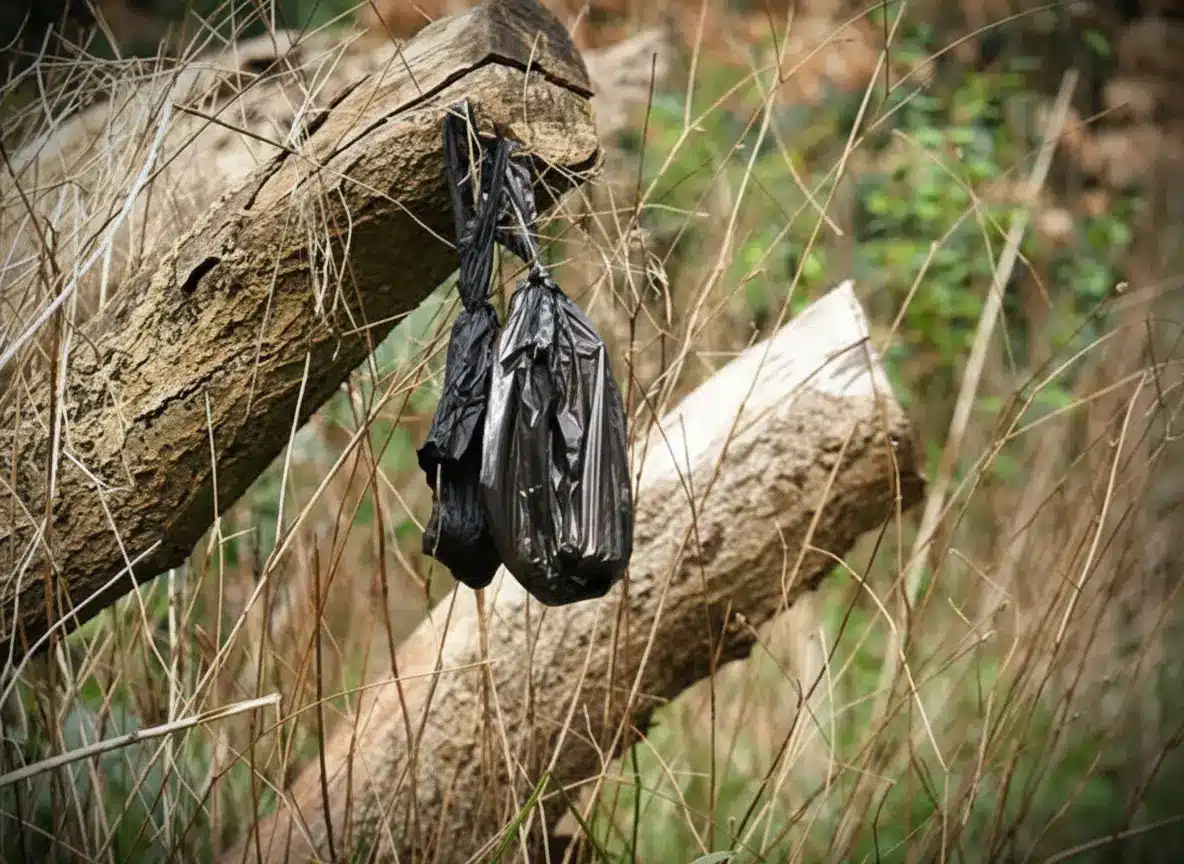
If you ever spot mysterious black bags hanging from tree trunks in your local park or on a woodland stroll, don’t assume someone’s doing very creative littering or prepping a quirky art exhibition. There’s actually a far more pressing reason for these odd installations, and you’ll want to keep your distance. Experts warn: what’s hidden inside could pose a genuine health threat, both to you and to nature around you.
Scientists confirm: This is the most effective way to get your cat’s attention, according to new research
Elderly Couple Refuses Reserved Seats—Viral Train Standoff Sparks Fiery Debate on Courtesy
Not Trash, But a Battle Plan: The Black Bag Mystery Explained
What looks like random plastic waste is actually part of a well-considered strategy to tackle one of trees’ most irritating and hazardous enemies: processionary caterpillars. These small but mighty pests are more than just leafy nuisances—they can also be risky for humans. The black bags you’ve seen aren’t placed on a whim. Instead, they’re eco-friendly traps purposefully set up to control the spread of these hairy intruders.
Don’t feel bad if you’ve mistaken them for garbage—you’re in good company. Many have made the same mistake, but these bags are part of a careful operation to target this pest specifically.
Meet the Marching Menace: Processionary Caterpillars
The caterpillars, getting their name from their habit of moving in a long, neat procession (as if headed to a very slow parade), pose serious risks. Each one is covered in toxic hairs, and these hairs are nothing to mess with. They detach, get carried by the wind, and can leave you with the kind of itchiness and rash that might have you rethinking every nature walk. But the trouble doesn’t stop at skin irritation:
- Direct and airborne exposure can trigger serious allergic reactions
- Some people, especially children, may experience breathing problems
- Pets and wildlife are also at risk
There’s nothing quite like finding out your local tree has transformed from leafy friend to a mini emergency room cause, just because you passed by at the wrong time.
How the Black Bags Work: Science Over Chemicals
Let’s talk strategy. Unlike many pest-control methods, these traps don’t use harsh chemicals. Instead, they work by guiding the caterpillars down into the bags as the insects attempt their not-so-great escape from the tree to burrow into the soil. Once inside, the caterpillars end up in a dark and warm spot where they dry out safely—well, safely for you and the tree, at least.
Key features of this method:
- Eco-friendly: no harmful chemicals required
- Traps keep the problem contained and prevent further spread
- Protect both trees and surroundings without harming the ecosystem
For stability, the bags are weighted with sand or other heavy material. This smart addition keeps the bags from fluttering around in the breeze and, even more importantly, prevents those pesky hairs from dispersing any further.
A Widespread Challenge, Creative Solutions
Processionary caterpillars have become an increasing headache across several European countries, especially after particularly hot summers. Trees can end up draped in white silk nests that eerily resemble spider webs, and you’ll often spot the caterpillars moving en masse in daylight, flexing their “marching band” skills.
Why You Should Never Reheat These Foods in the Microwave – The Hidden Dangers Experts Warn About
I tried the top 5 guard dogs—here’s what makes these breeds the ultimate protectors
With such a persistent threat, cities like Cologne, Germany have resorted to some pretty comprehensive measures. Not only are black bag traps deployed, but there are also specialized vehicles out spraying biological agents along highways and through parks. These measures are strictly necessary to curb the caterpillars’ spread and to protect both public and environmental health.
So, if those black bags look out of place—maybe even a bit unsightly among the greenery—they’re anything but random. They’re a vital part of a sustainable effort to shield trees, people, and animals from these hazardous pests, all without turning to dangerous chemicals.
Final Word of Nature Wisdom
The next time you spot a black bag dangling from a tree branch, resist the urge to take a closer look out of curiosity. The bag itself isn’t dangerous, but what it contains certainly can be. It’s there as an invisible shield, guarding you from an often-overlooked threat. Nature has its quirks and challenges, but thankfully, there are clever solutions—sometimes as simple as a black bag on a tree. So, keep your eyes open, your distance safe, and let those bags do their silent, unsung work.
Similar Posts
- Stunning Christmas Tree Contest at Apple’s London HQ: See the Festive Showdown!
- Alec Baldwin in More Trouble Again: “A Garbage Truck the Size of a Whale”
- Facebook Re-enters the Job Search Arena: Two Years After Platform Shutdown
- Experts Reveal: How Many Steps a Day You Really Need to Get Fit – It’s Not 10,000
- TikTok Exposed: How Fake News Accounts Turn Misinformation Into Cash

Jordan Park writes in-depth reviews and editorial opinion pieces for Touch Reviews. With a background in UI/UX design, Jordan offers a unique perspective on device usability and user experience across smartphones, tablets, and mobile software.