
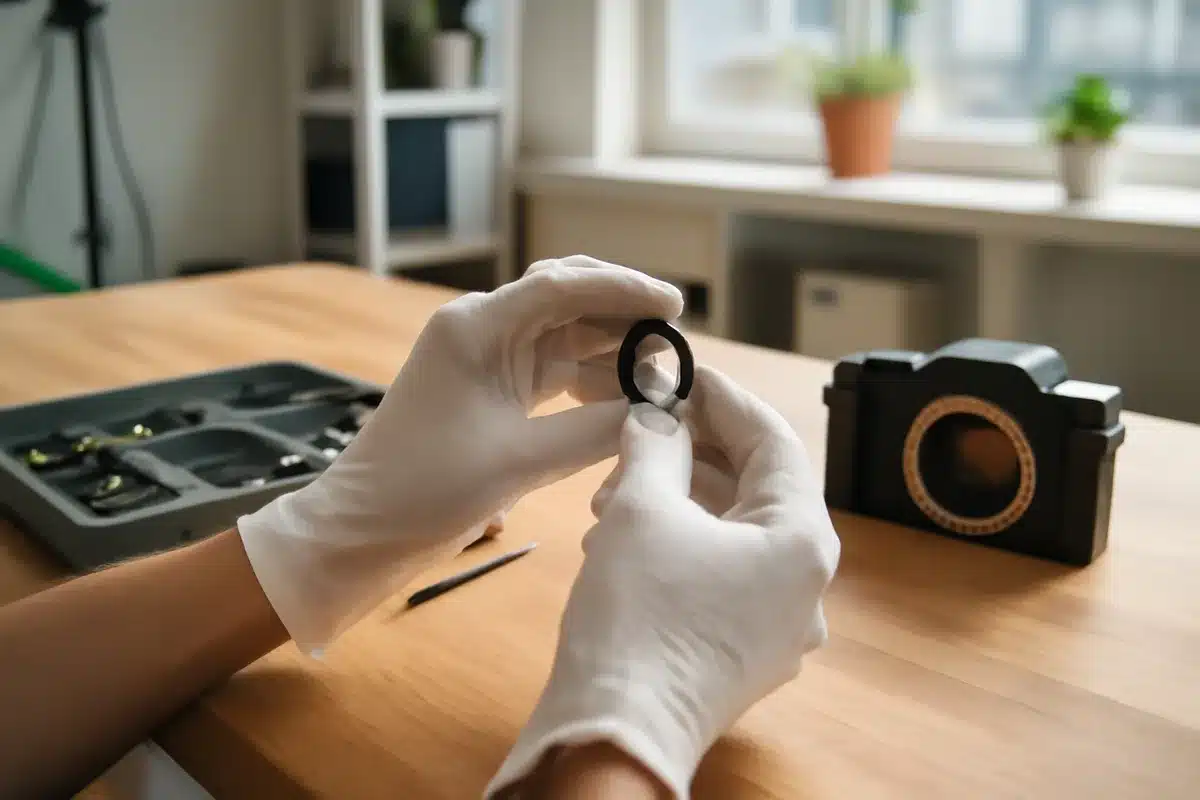
New Mechanical Diaphragm in iPhone 18 Pro and Pro Max
The latest iPhone 18 Pro and 18 Pro Max models have introduced an advanced mechanical diaphragm for their wide-angle camera, which officially supports four distinct aperture settings: ƒ/1.48, ƒ/1.8, ƒ/2.8, and ƒ/4.0. These settings are currently accessible via Apple’s Camera app. Technically, the device can precisely adjust its aperture to any value between the minimum of ƒ/1.48 and the maximum of ƒ/4.0. A video by ColorScale demonstrates this capability, indicating that the camera’s API can fully control this feature, thus enhancing flexibility for third-party apps.
Scientists confirm: This is the most effective way to get your cat’s attention, according to new research
Elderly Couple Refuses Reserved Seats—Viral Train Standoff Sparks Fiery Debate on Courtesy
According to a tweet by ColorScale, the iPhone 18 Pro’s adaptable aperture can be adjusted continuously through the API, hinting at the potential for third-party camera applications to provide much more refined control over this feature.
Enhanced Control for Third-Party Applications
This advanced control over the aperture settings opens up new possibilities for third-party applications, potentially allowing them to offer users the ability to smoothly transition between aperture values. This could be particularly useful for video applications, where control over the depth of field and bokeh effect can be crucial. It wouldn’t be surprising if a future iOS update might enhance the granularity available in the iPhone’s native camera app, following the capabilities demonstrated by third-party applications.
Similar Posts
- iPhone 18 Pro Max Exclusive: Could It Feature Variable Aperture Lens?
- iPhone 18 Pro’s Variable Aperture: Uncertain Future or Game-Changing Feature?
- iPhone to Feature 200MP Sensor by 2027: Is This Apple’s Next Big Move?
- Samsung’s Galaxy S26 to Feature Revolutionary Camera Tech: Expect Major Upgrades!
- iPhone 17 May Finally Feature This Samsung Tech From 2013: Will It Be a Game Changer?

Ethan Rivers focuses on Android smartphones, emerging mobile platforms, and operating systems. With a critical yet fair perspective, he evaluates devices on performance, design, and ecosystem compatibility.