
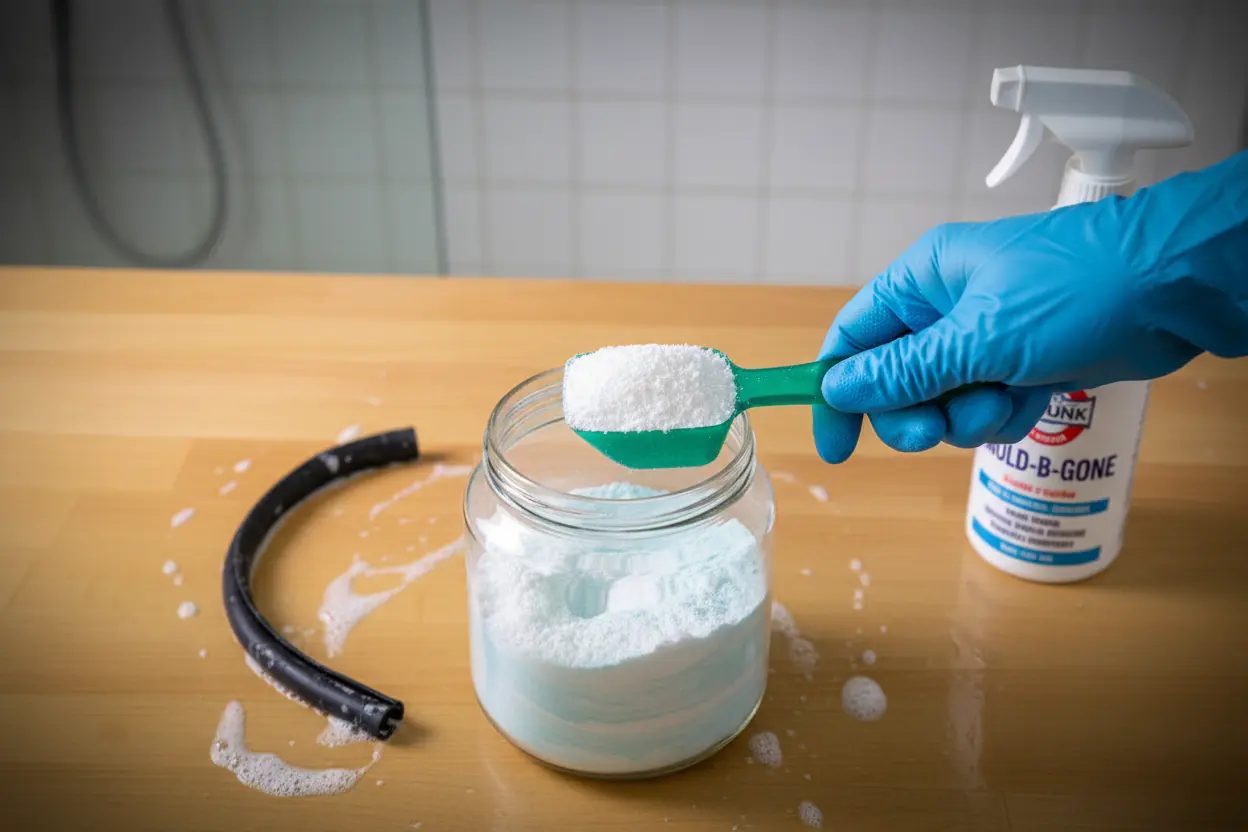
If you’ve ever glanced at your shower seals and noticed them looking a little darker or, let’s face it, suspiciously speckled, you’re not alone. Shower seals are absolute magnets for mold in the steamy, humid corners of our bathrooms—but don’t panic! This common annoyance doesn’t have to turn into a home renovation nightmare. With a bit of effort (and the right tricks up your sleeve), you can restore those seals to their original, sparkling state. Here’s the down-to-earth guide everyone needs to beat bathroom mold—with a simple trick that’s making the rounds!
Scientists confirm: This is the most effective way to get your cat’s attention, according to new research
Elderly Couple Refuses Reserved Seats—Viral Train Standoff Sparks Fiery Debate on Courtesy
Why Do Mold and Stains Plague Shower Seals?
- Shower seals are designed to keep water from sneaking through your tiles and into the wall—an unsung hero in your bathroom!
- Over time, thanks to moisture and heat (looking at you, hot showers), bacteria and mold are quick to grow.
- If you don’t give those seals a regular scrub, their powers wane. The once impenetrable barrier becomes less effective, letting water linger and—voila—uninvited black marks or even stubborn mold start to appear.
The good news? Just because they look tired doesn’t mean you have to go shopping for new seals. With proper care, you’re in with a solid chance of saving them. But, first, let’s talk maintenance.
Keep Mold at Bay: Ventilation and Everyday Habits
- After every shower, make sure your bathroom breathes! Open a window or fire up a fan to cut down on the lingering humidity.
- Water that sits invites trouble—so after showering, dry the seals and the grout lines with a towel or dry cloth. Think of it as tucking your bathroom into bed, free from soggy problems.
Simple, right? These basic habits go a long way to stopping mold before it has a chance to settle in and throw a house party on your seals.
The Simple Trick: Baking Soda and Vinegar Magic
- Shower seals gone yellow over time? Don’t despair—what works for mold also works for stains. The household duo of baking soda and vinegar is here to save the day!
- Apply baking soda generously to those yellow or stained areas. Then, spray vinegar and watch it bubble—don’t worry, that fizz means it’s working its magic.
- Wait a few minutes, grab a gentle scrubbing tool (arms at the ready!), and scrub away the grime. Rinse thoroughly. Admire your handiwork and your now-brighter seals!
This combo is cost-effective, chemical-light, and, let’s admit, kind of satisfying to use. Science meets sparkle!
Sometimes a Change Is Needed: Replacing Old Seals
- No amount of scrubbing will rescue every seal. Sometimes, age wins and you need to replace those old, worn-out strips.
- This is a simple job: Flat edge tool or sharp knife in hand, carefully remove the old seal. Clean the area thoroughly—it’s your chance to get rid of any lingering grime or moisture.
- With the area dry and clean, apply a new line of silicone seal. Silicone guns are available at most hardware stores—DIY heroes, unite!
- Before the silicone dries, use your finger to smooth it out. Not only will it look neat, but it’ll also make sure water stays where it should: inside your shower.
As with nearly every cleaning challenge around the house, prevention is absolutely key. Take care of your shower seals, dry them out after use, and you’ll dodge those pesky black or yellow marks for the long haul. With a bit of regular attention, those seals will stay fresh and appealing—proof that a little elbow grease outshines a lot of mold. So, keep those towels handy, your baking soda stocked, and your bathroom will thank you (with fewer cleaning woes)!
Similar Posts
- The $1 Trick That Made My Shower Doors Look Brand New Again
- Say Goodbye to Stubborn Kitchen Grease: The Natural Cleaning Hack Everyone Is Talking About
- The little-known Japanese trick that gets rid of winter damp—no dehumidifier needed
- “I never use hotel shower products”—the surprising reason experts warn you should avoid them at all costs
- Why Are Your Houseplant Leaves Turning Brown? Experts Reveal the Real Cause and the Simple Fix

Jordan Park writes in-depth reviews and editorial opinion pieces for Touch Reviews. With a background in UI/UX design, Jordan offers a unique perspective on device usability and user experience across smartphones, tablets, and mobile software.