
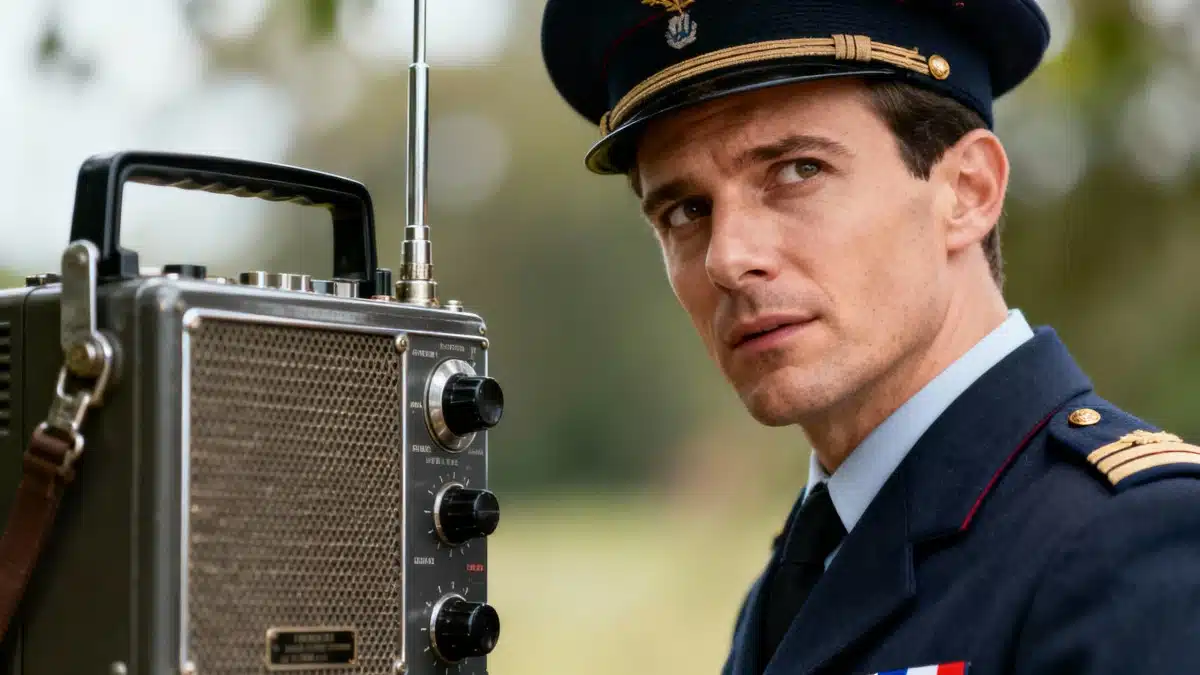
When silence falls in the French skies, it’s not golden—it’s alarming. On October 3rd, what started as a simple absence of radio crackle high above Clermont-Ferrand set off a meticulous, high-stakes ballet of air security, culminating in a Rafale scramble and, ultimately, reassurance for everyone watching from below.
Scientists confirm: This is the most effective way to get your cat’s attention, according to new research
Elderly Couple Refuses Reserved Seats—Viral Train Standoff Sparks Fiery Debate on Courtesy
The Moment of Silence That Changed Everything
In aviation, each second counts more than the peanuts on a transatlantic flight. French airspace, traditionally a place of orderly comms and well-choreographed flight paths, faced a suspenseful break: a private jet suddenly stopped responding to air traffic control while cruising above Clermont-Ferrand. According to midilibre.fr, four long, radio-silent minutes ticked by—a lifetime in the world of controlled flight, and the kind of dead air that makes controllers sit up straighter in their chairs.
Bordeaux control picked up the radio silence and raised the alarm, swinging into action with practiced urgency. In air traffic parlance, the absence of a response demands rapid verification. For the French, it’s procedure over panic: security protocols are triggered with precision, making split-second decisions within a millimeter-tight framework.
From Alarm to Action: A Rafale Takes Flight
When communication fails, the response is as swift as it is coordinated. The French Air and Space Force wasted no time publishing the alert on Facebook—because not only do jets scramble, but social media updates do, too. Next, from Air Base 118 at Mont-de-Marsan, an interceptor Rafale was cleared for takeoff. With adrenaline surging, everyone involved knows the drill: controllers and military personnel work together methodically, charting a path for the fighter jet to intercept while carefully avoiding disruption to other nearby aircraft. After all, no one likes an uninvited guest, not even at 30,000 feet.
As the Rafale closed the gap with the unidentified jet, strict procedures continued, ensuring safe separation and unbroken vigilance. The objective? Confirm the situation without undue risk. Security is the star of every French air saga; haste plays a supporting role (if it shows up at all). The Rafale’s approach is never random—it’s a deliberate, well-oiled maneuver.
The Human Error Behind the High Alert
The rendezvous unfolded smoothly in the airspace between the Ventoux and Luberon sectors. Here, at last, contact was reestablished. The jet, holding its course and displaying no hint of threat, finally responded. Soon enough, a crucial message was exchanged, the frequency adjusted, and uncertainty evaporated like clouds on a summer afternoon. The teams involved confirmed it was a technical incident—a blameless mistake, not anything malicious.
So why the drama? It all came down to a simple misconfigured frequency setting. The crew on board thought they were talking, but what the controllers heard was nothing at all. This sort of glitch is rare but can happen when a pilot’s attention is pulled to other aspects of flight. With normal communication restored, controllers calmly eased the alert down, step by step.
- Phrase discipline and clear verification by controllers kept confusion to a minimum.
- There was no space for exaggeration—or denial—of the situation; the protocol was to check, correct, return to normal.
- The Rafale, mission completed, slipped back into its patrol posture, airspace harmony restored.
Why France’s Air Security Works—And Why It Matters
This case is a sharp portrait of France’s Permanent Air Security Posture. Under the guidance of the CDAOA, the ability to scramble a jet at any time is simply part of the job. It’s a system that keeps civilian routes safe and human errors—whether from fatigue, overload, or distraction—in check, especially when it matters most. Each link in the chain knows its role, reducing delays and ensuring even rare incidents have tested responses.
Lessons learned from real events constantly fine-tune procedures, giving flight crews a clear framework to lean on in moments of confusion. And there’s transparency: the military’s public update on Facebook helps ordinary citizens understand that a fighter jet’s roar overhead is rarely random. No secrets are spilled, but facts are shared—public trust is built, and the reason for that security-first stance is crystal clear.
Why You Should Never Reheat These Foods in the Microwave – The Hidden Dangers Experts Warn About
I tried the top 5 guard dogs—here’s what makes these breeds the ultimate protectors
In the end, this alert wasn’t just about a rogue frequency—it was the ultimate field test for a robust response system. Rapid, clear-sighted coordination among controllers, aircrew, and the military ensured safety for all. When doubt clouds the skies, a Rafale lifts off, and within moments, peace (and radio chatter) returns for everyone aloft and on the ground. That’s the reassuring sound of security in action—frequency hiccups and all.
Similar Posts
- High-Altitude Tension: Moroccan Fighter Jets Dramatically Intercept French Airbus During Intense Joint Drill
- Legal Notice
- Raid at Elon Musk’s Paris Office: French Justice Targets Tech Mogul’s Empire
- Malicious Copy-Paste Alert: Terminal Fails to Warn Developers!
- Apple Music Radios Now on TuneIn: Stream Your Favorites Anywhere!

Jordan Park writes in-depth reviews and editorial opinion pieces for Touch Reviews. With a background in UI/UX design, Jordan offers a unique perspective on device usability and user experience across smartphones, tablets, and mobile software.