
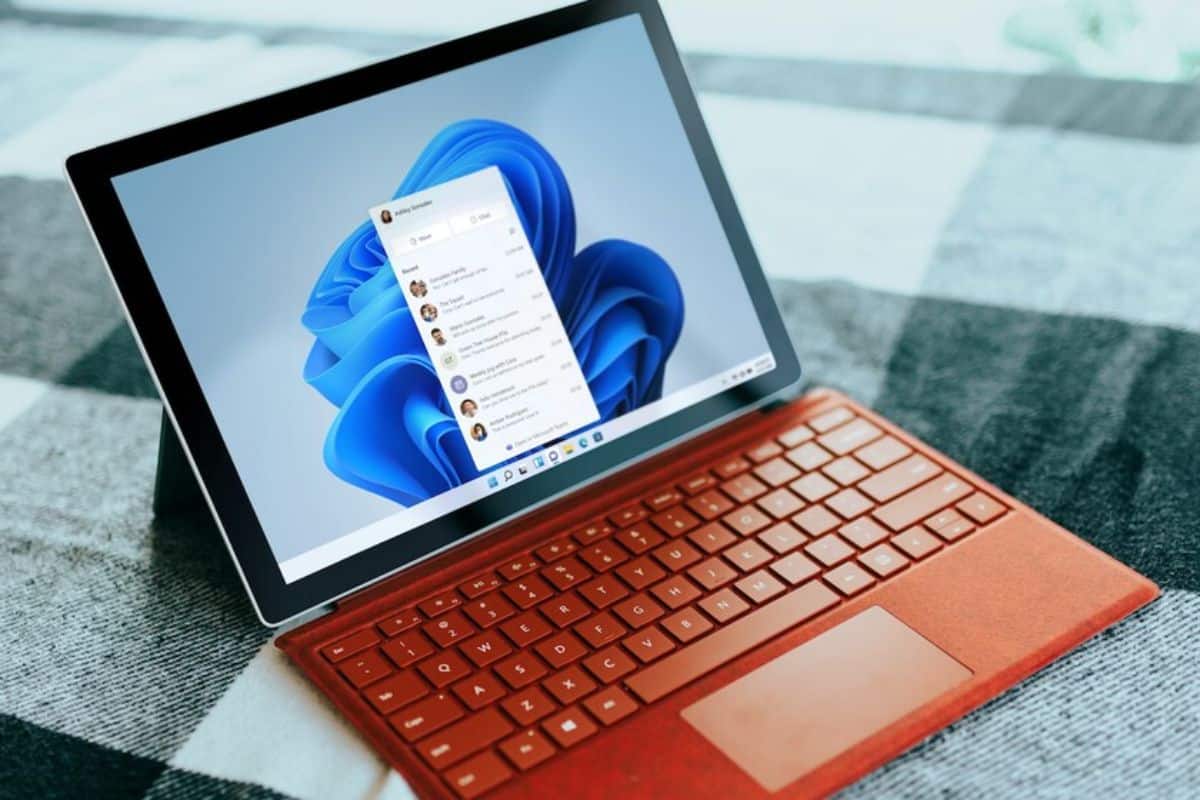
Tech Detective Uncovers Why Windows 11 Drags Behind
Popular tech YouTuber epcidiy has cracked the code behind Windows 11’s notorious sluggishness, even on high-end hardware. The investigation reveals why everyday tasks like right-clicking or opening Task Manager feel frustratingly slow.
Scientists confirm: This is the most effective way to get your cat’s attention, according to new research
Elderly Couple Refuses Reserved Seats—Viral Train Standoff Sparks Fiery Debate on Courtesy
Microsoft’s latest operating system prioritizes modern aesthetics, but this beauty comes at a significant performance cost that’s affecting millions of American users.
The Technical Culprits Behind Your Slow PC
The investigation points to two key technologies: XML islands and XAML (Extensible Application Markup Language). While these modern frameworks power Windows 11’s sleek interface, they’re also responsible for the system’s decreased responsiveness.
For American consumers who’ve invested in premium hardware, this revelation explains why their expensive setups sometimes feel less snappy than older Windows versions.
Gaming GPUs Can’t Save The Day
Despite America’s massive gaming market and widespread access to powerful graphics cards, even high-end GPUs can’t fully resolve these performance issues. Power management settings often default to integrated graphics, negating potential benefits.
Think of it as using a Dodge Challenger to drive two blocks – sometimes, walking would be faster. The system overhead actually creates more lag than it solves.
Old School vs. New School: The Speed Test
When comparing Windows 11’s modern menus to classic Windows interfaces, the results are striking. Traditional menus load significantly faster and use fewer system resources, challenging Microsoft’s design decisions.
This performance gap is particularly relevant for American businesses where productivity and efficiency are paramount.
The Great American Tech Debate
As U.S. consumers and businesses increasingly adopt Windows 11, they face a clear trade-off between visual appeal and performance. This mirrors broader discussions in American tech culture about form versus function.
Why You Should Never Reheat These Foods in the Microwave – The Hidden Dangers Experts Warn About
I tried the top 5 guard dogs—here’s what makes these breeds the ultimate protectors
Many users are questioning whether Microsoft’s push for visual consistency aligns with American values of efficiency and practicality.
Conclusion
For American users, this deep dive into Windows 11’s performance issues highlights a crucial decision point: accept the performance hit for modern aesthetics or demand change. As Microsoft continues to shape the future of computing, the balance between beauty and speed remains a critical concern for U.S. consumers and businesses alike. The findings suggest that Microsoft might need to revisit their approach to meet the performance expectations of the American market.
Similar Posts
- He pays €1,200 for a state-of-the-art gaming PC: what he discovers shocks the whole family
- Microsoft Extends 365 App Support for Windows 10 Until 2028: Secure Your Software’s Future Now!
- End of Windows 10 Support: How to Extend Your Security Updates?
- Elon Musk Makes A Big Splash With “Macrohard”: His Ambitious Project To Take On “Microsoft” Head-On
- Microsoft Is Preparing A New Xbox Cloud Gaming Subscription That Is “More Affordable…” Really?

Ben Thompson is a tech strategist and contributing journalist. He breaks down complex industry movements into practical insights for everyday users. Known for his sharp analysis of big tech trends and business models, Ben draws from years of experience as a consultant and founder of Stratechery. At Touch Reviews, he focuses on how major innovations—from AI tools to platform shifts—translate into real-life impacts and actionable tips for users who want to stay ahead of the curve.
Ben.Thomson@touchreviews.net