
Scientists confirm: This is the most effective way to get your cat’s attention, according to new research
Elderly Couple Refuses Reserved Seats—Viral Train Standoff Sparks Fiery Debate on Courtesy
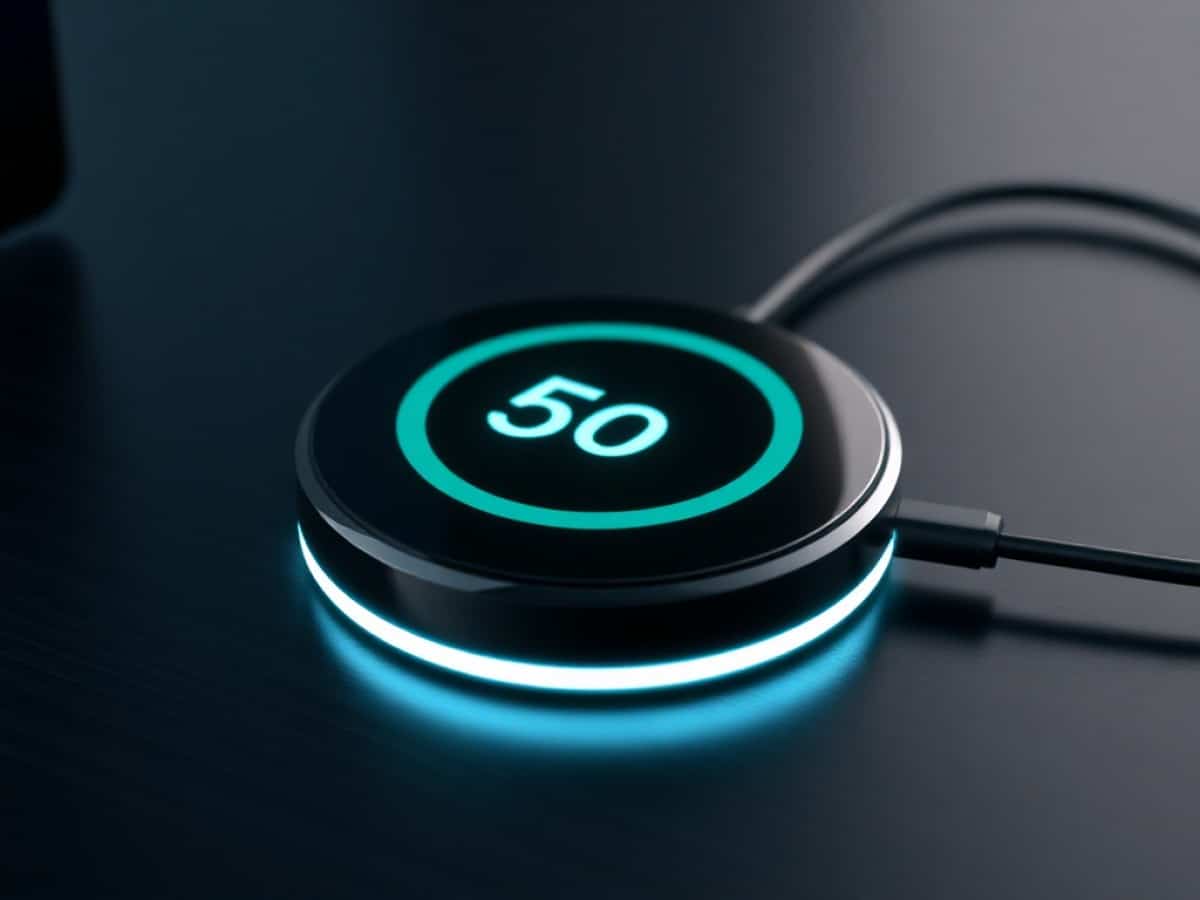
Advancements in Wireless Charging: The Road to 50W
In September, the introduction of the Qi2.2 standard marked a significant milestone by enhancing the Qi standard’s power capacity to 25W. Building on this, the Wireless Power Consortium (WPC) is now setting its sights on doubling this capacity to 50W by 2028. According to IT Home, a recent gathering on June 22 at Xiaomi’s headquarters in Beijing saw key members of the consortium, including Apple, advancing discussions on the next version of the wireless induction charging standard. The meeting focused on prototype testing and ensuring interoperability across various manufacturers’ devices. Xiaomi has been instrumental in outlining the primary hardware parameters for this upgrade.
Setting New Benchmarks in Inductive Charging
Several devices already support inductive charging capabilities beyond 25W, especially those developed by Xiaomi. The Chinese manufacturer, which has already perfected its production line, aims to standardize its “low inductance, low voltage, high power” solution. As with previous technological advancements, manufacturers like Apple have the liberty to implement their enhanced solutions ahead of standardization. For instance, Apple adopted a 25W charging capability with its MagSafe charger for the iPhone 16, although it was not until the release of the iPhone 17 the following year that the Qi2.2 standard was officially supported.
Similar Posts
- Wireless Charging Breakthrough: 25W Qi2 Standard Now Available!
- Revolutionary Qi2.2 Batteries Debut: Charge Faster at 25W!
- Xiaomi 15T and 15T Pro Launch Date Revealed: Here’s What We Know!
- Revolutionary iPhone Charging: Is MagSafe’s Magnet Design to Blame?
- Shocking Rumor: Apple May Ditch MagSafe – What’s Next for Charging Tech?

Ethan Rivers focuses on Android smartphones, emerging mobile platforms, and operating systems. With a critical yet fair perspective, he evaluates devices on performance, design, and ecosystem compatibility.