
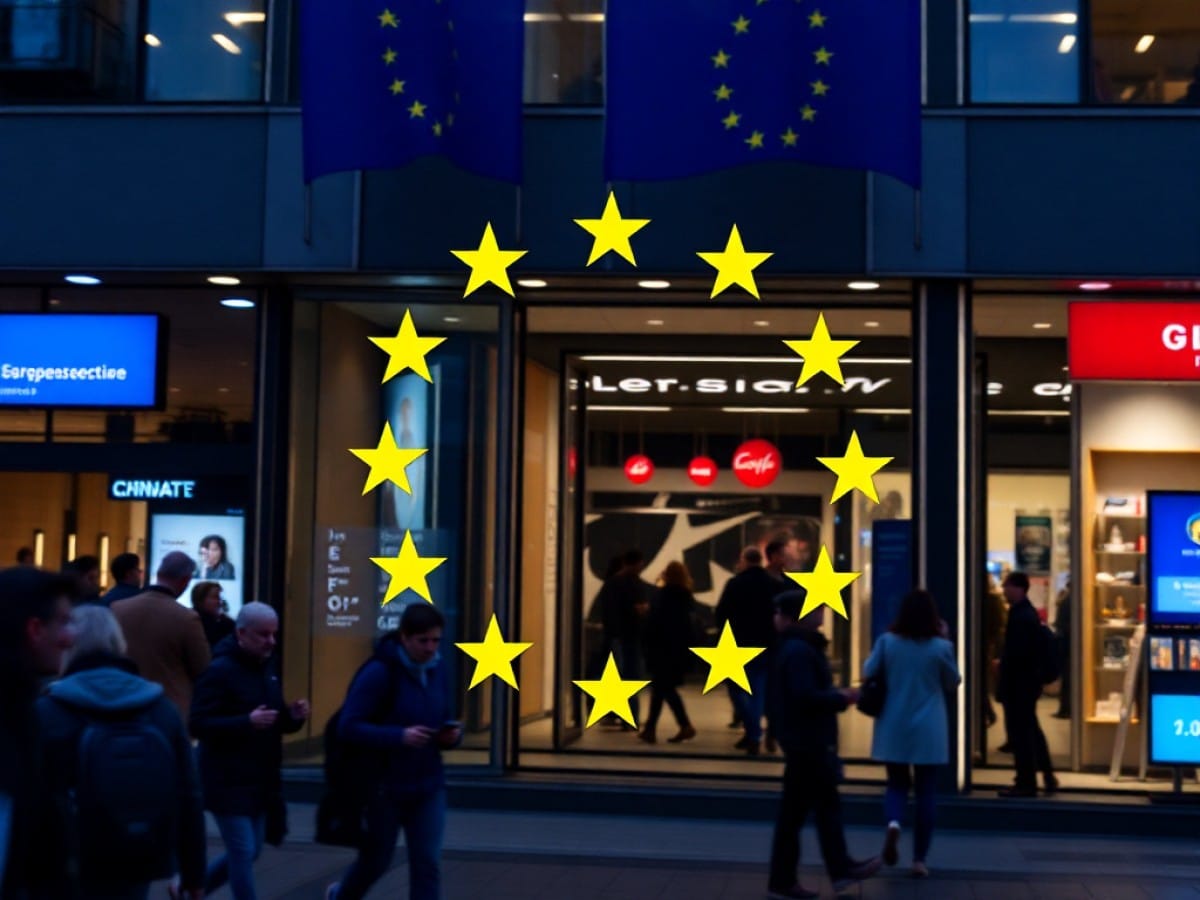
What if the European Union Launched Its Own Social Platform?
Scientists confirm: This is the most effective way to get your cat’s attention, according to new research
Elderly Couple Refuses Reserved Seats—Viral Train Standoff Sparks Fiery Debate on Courtesy
Over the past decade, platforms like Facebook, Instagram, X (formerly Twitter), and TikTok have been central to how information and content circulate online. However, given the challenges of digital sovereignty and increasing scrutiny over personal data management, some voices in Europe are advocating for an alternative.
On March 4th, the European Commission took a significant step by officially registering an ECI (European Citizens’ Initiative) titled European Public Social Network.
The aim is to establish a public social network across the European Union, funded by citizens and designed to operate without advertisements or commercial exploitation of data. While the project is still in its early stages, it has reignited discussions about Europe’s ability to develop its own digital infrastructure…
A Public Platform Designed as a Public Service
Driven by two Czech citizens, this initiative suggests creating a social platform that operates on a fundamentally different model from commercial services. It would be funded by an annual contribution of approximately one euro per internet-connected citizen, which translates to just a few cents per month.
Why You Should Never Reheat These Foods in the Microwave – The Hidden Dangers Experts Warn About
I tried the top 5 guard dogs—here’s what makes these breeds the ultimate protectors
This model aims to ensure the platform’s independence, as unlike traditional social networks, there would be no ads, no selling of personal data, and no shareholder pressures. The goal is to develop a digital service that primarily serves the interests of users and the community.
Algorithmic transparency would also be a cornerstone of the system, offering users the choice to decide how content is recommended and displayed instead of being subjected to an opaque algorithm-driven feed. The idea is to minimize information bubbles and reduce the focus on maximizing user engagement that dominates current platforms.
Moreover, false information would not be automatically removed but would be accompanied by explanations or warnings to provide context and clarify inaccuracies.
Institutional and Independent Governance
The proposed network would be governed by a specific framework, with oversight entrusted to independent bodies appointed by the European Parliament and the Council of the European Union. This setup aims to ensure the platform’s impartiality while minimizing direct political interference.
The technical development could involve various stakeholders, including tech companies, universities, and research centers across Europe. The objective is to build a robust digital infrastructure while leveraging the continent’s technological ecosystem.
This proposal emerges in a context where the European Union is striving to enhance its digital sovereignty. According to Eurobarometer, 65% of young people aged 15 to 24 use social networks as their primary source of information, highlighting concerns regarding misinformation and digital security.
A Theoretical Project Still?
However, the registration of the initiative by the Commission does not guarantee that the project will materialize. The organizers now have six months to start collecting signatures, followed by a year to gather a million supporters from at least seven member states.
If this threshold is met, the European Commission must review the proposal and decide on its future. Thus, the prospect of a European public social network remains uncertain, but it reflects a growing consideration of alternatives to the dominant platforms…
Similar Posts
- Siri AI Talks with EU: “Constructive” Conversations Underway!
- EU Targets Meta and TikTok: Claims of Blocking Transparency and Research Revealed
- EU Targets X: Preparing a Massive Billion-Euro Fine
- Apple Maps and Apple Ads Escape the DMA: What This Means for Users and Competitors!
- Eurosky Launches: Europe’s Bold Challenge to American Social Media Giants

Samantha Klein is a seasoned tech journalist with a sharp focus on Apple and mobile ecosystems. With over a decade of experience, she brings insightful commentary and deep technical understanding to the fast-evolving world of consumer technology.