
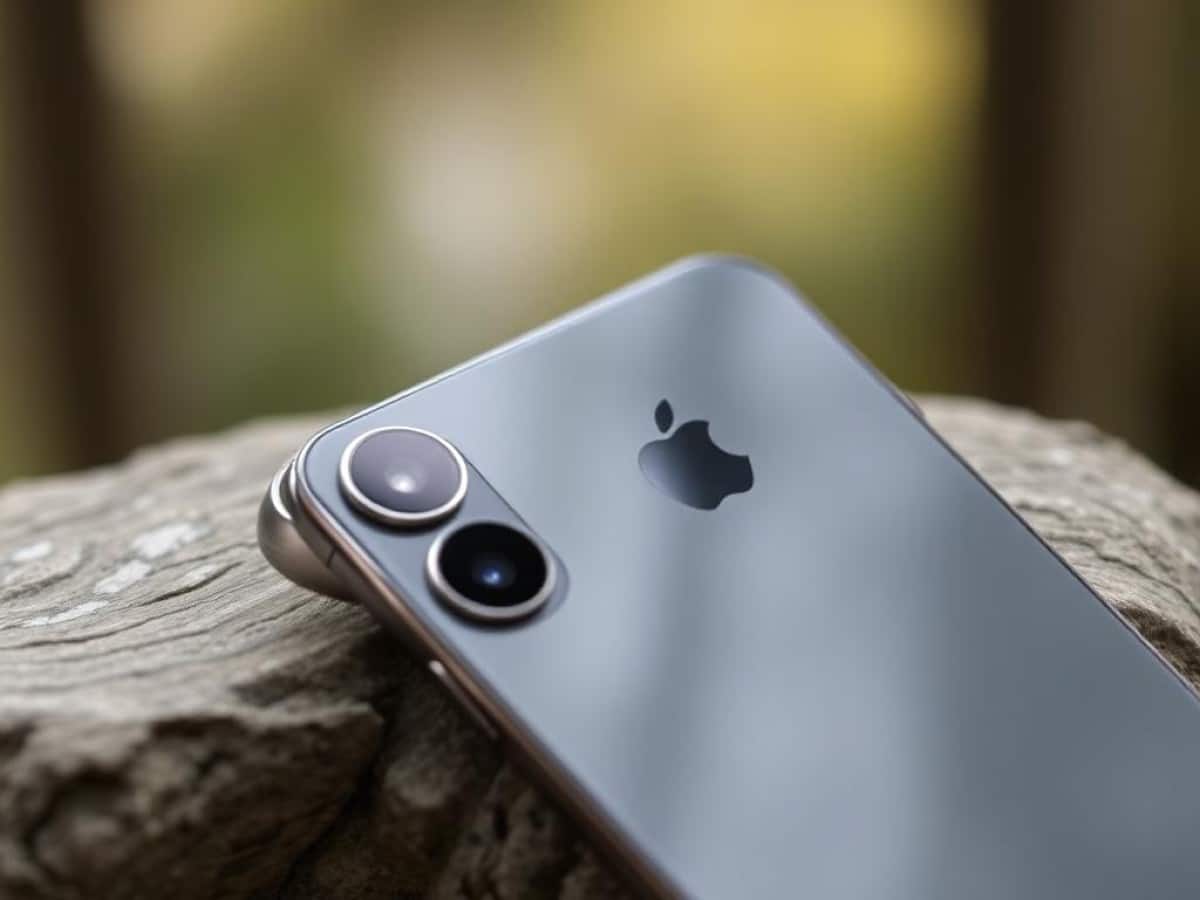
The iPhone 15 Pro introduced titanium to Apple’s smartphone design, but it appears that this material will be phased out with the upcoming release of the iPhone 17 Pro next week. While titanium was an interesting choice to replace the steel used in previous models, aluminum is set to become the standard across the entire lineup once again. What’s prompting this change?
Scientists confirm: This is the most effective way to get your cat’s attention, according to new research
Elderly Couple Refuses Reserved Seats—Viral Train Standoff Sparks Fiery Debate on Courtesy
According to reports by Mark Gurman and other insiders over recent months, the iPhone 17 Pro will exclusively feature aluminum and glass in its construction, moving away from titanium after its two-year stint. Although titanium provides a more “premium” feel compared to the common metals used in beverage cans, enhancing the iPhone’s luxury appeal, it comes with significant drawbacks.
Addressing Overheating Issues
Initial feedback from the iPhone 15 Pro highlighted significant concerns over temperature management. The device would heat up quickly and struggled to dissipate heat effectively, turning it into something of a hot potato for users while swiftly limiting the performance of its components, including the screen. Over time, many users complained about the screen becoming nearly unreadable in direct sunlight as the iPhone 15 Pro had to reduce brightness significantly to maintain a manageable internal temperature.
While the situation improved somewhat with the iPhone 16 Pro, it was far from resolved. Apple attempted to better manage the heat distribution using graphite elements to disperse the heat generated by the SoC throughout the chassis, but the device still became notably warm during intensive use. Furthermore, reductions in both SoC frequency and screen brightness, though less severe, remained an issue.
Battling the Burden of Weight
Another pressing issue for the upcoming iPhone 17 Pro is its weight. Although titanium helped reduce the weight compared to the steel iPhone 14 Pro, it wasn’t enough, especially when compared to the forthcoming iPhone 17 Air. Aluminum, being lighter than titanium, is an ideal choice for keeping the iPhone 17 Pro’s weight down, ensuring it doesn’t feel like a heavyweight next to its more nimble counterpart.
Indeed, aluminum is softer than titanium and even steel, but over the years, Apple has mastered the art of working with this metal and selecting the right alloys. The 6000 series (aluminum-magnesium-silicon) and 7000 series (aluminum-zinc-magnesium), typically used in auto racing and aviation, are now commonly employed in Apple products. These alloys help maintain a light weight while still providing substantial resistance to impacts and bending. More than a decade after the infamous bendgate, Apple is likely keen to avoid revisiting such issues.
Similar Posts
- iPhone 17 Pro Ditches Titanium: What’s Behind Apple’s Surprising Decision?
- Brighter Display on iPhone 18? Rumors Suggest Major Upgrade!
- iPhone 17 Pro Max Thicker Than Ever: Here’s the Surprising Reason Why!
- Apple’s Folding iPhone Screen Gets Its Own Trademark: What This Means for You!
- Samsung Unveils Three-Fold Model: The Wait for a Folding iPhone Continues

Ava Blake is passionate about social media platforms and how they influence modern tech culture. She reviews apps, trends, and the evolving digital lifestyle for Touch Reviews readers.