
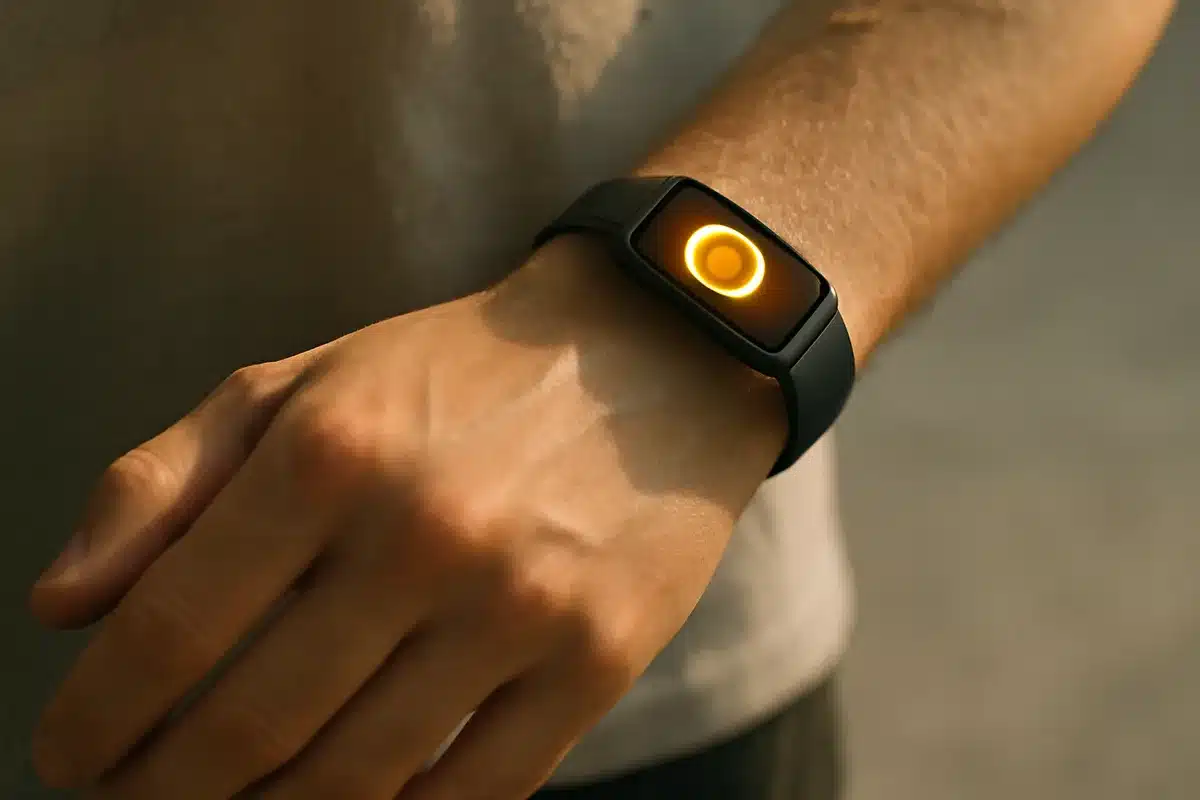
The Xiaomi Smart Band 10 Pro is a new fitness tracker that has been available since late May. I have worn it on my wrist for two weeks to provide you with my detailed impressions.
Scientists confirm: This is the most effective way to get your cat’s attention, according to new research
Elderly Couple Refuses Reserved Seats—Viral Train Standoff Sparks Fiery Debate on Courtesy
A year after the release of the Smart Band 10, Xiaomi introduces its “Pro” version. This model features a larger display and, importantly, includes built-in GPS, a feature still uncommon in fitness trackers. The Smart Band 10 Pro builds on the Smart Band 9 Pro’s design, positioning it closer to a smartwatch, although it still lacks a microphone and speaker to fully qualify as one.
Over two weeks, I put it through our standard testing protocol to assess the screen quality, GPS accuracy, heart rate monitor precision, and battery life. The overall verdict is highly positive, despite some compromises that prevent it from achieving perfection.
Xiaomi Smart Band 10 ProTechnical Specifications
| Model | Xiaomi Smart Band 10 Pro |
|---|---|
| Dimensions | 32.16 mm x 42.83 mm x 9.7 mm |
| Technology | Li-Po |
| Screen Resolution | 336 x 480 pixels |
| Panel | AMOLED |
| Weight | 21.6 g |
| Accelerometer and Electronic Compass | Yes |
| Sleep Analysis | Yes |
| Ambient Light Sensor | Yes |
| Protection Rating | 5ATM |
| Product Page |
The device for this review was provided by the manufacturer.
Xiaomi Smart Band 10 ProLightweight and Comfortable
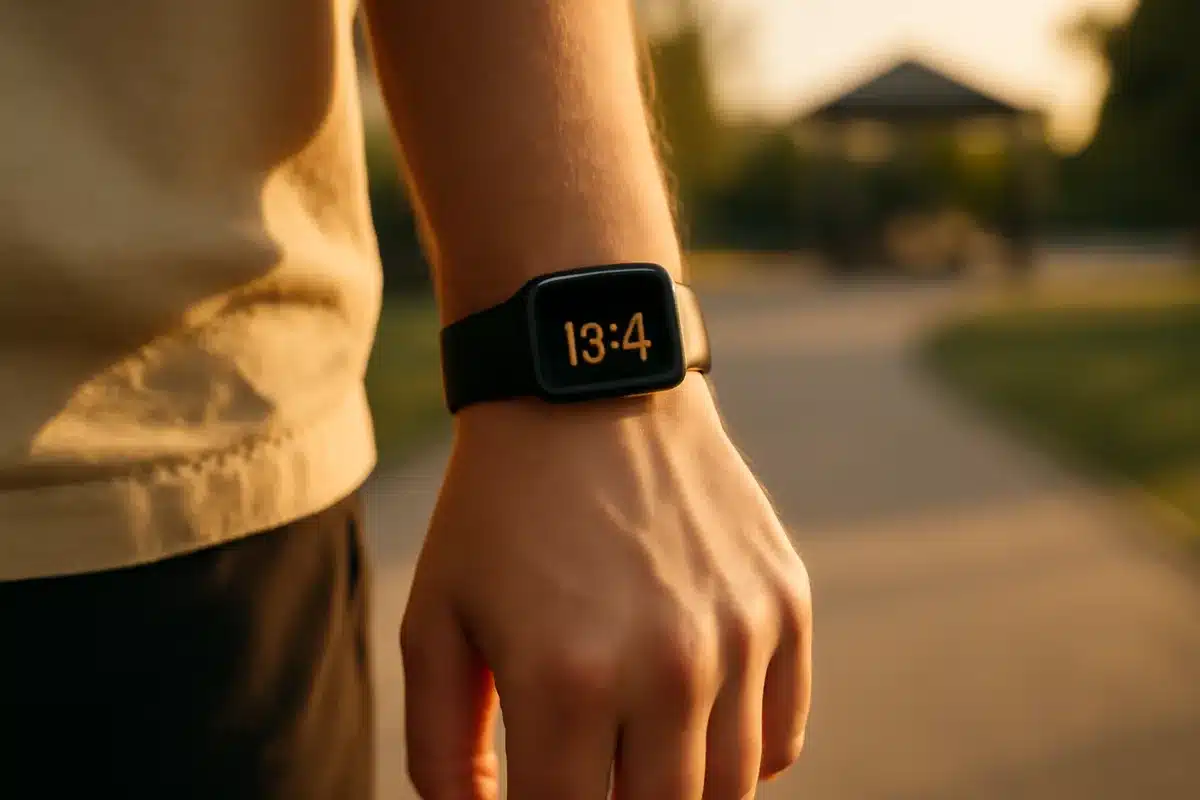
The Smart Band 10 Pro features a rectangular shape, unlike the classic Smart Band 10’s more oval silhouette. Its grey aluminum casing gives it a particularly successful premium look. The bottom cover, which houses the heart rate sensors, is made of plastic but remains completely hidden when the band is worn. Overall, it boasts a refined finish that’s pleasing to the eye.

Though slightly bulkier than the standard model from which it is derived, the Smart Band 10 Pro also suits slimmer wrists. The aluminum version we tested weighs just 21.6 g without the strap, contributing to its comfort for everyday wear. A thinner case would have been appreciated, however. Nonetheless, Xiaomi has made progress in this area: with a thickness of 9.7 mm, the Smart Band 10 Pro is 1.1 mm slimmer than the 10.8 mm thick Smart Band 9 Pro.
The band lacks any physical buttons, thus all navigation is based on touch controls. This choice affects ergonomics, a point we’ll return to in more detail in the section on the interface.
Why You Should Never Reheat These Foods in the Microwave – The Hidden Dangers Experts Warn About
I tried the top 5 guard dogs—here’s what makes these breeds the ultimate protectors
Regarding water resistance, the Smart Band 10 Pro is rated at 5 ATM. It can therefore be worn in the shower or during surface swimming sessions. However, it is not designed for scuba diving or high-pressure water sports, such as surfing or water skiing.
Our model came with a grey silicone strap, a material that feels less pleasant during very hot weather but is more appreciated the rest of the year. Fortunately, Xiaomi offers several alternatives on its official website in different materials. For summer, we particularly recommend the nylon models, which are generally more breathable and comfortable.
The clasp system also deserves praise for its simplicity. Just press a small button to remove the strap and replace it with another. Installing the new strap then takes just a few seconds thanks to a particularly intuitive mechanism. Unlike many smartwatches, no system of horns is used here, greatly simplifying the process.
Xiaomi Smart Band 10 ProVivid and Bright Display
Make no mistake: the screen of the Smart Band 10 Pro is only slightly larger than that of the Smart Band 10. Its AMOLED panel measures 1.74 inches, compared to 1.72 inches for the classic model. The main difference lies more in its format, which is closer to that of a smartwatch. This design allows for displaying more information across the width of the screen.
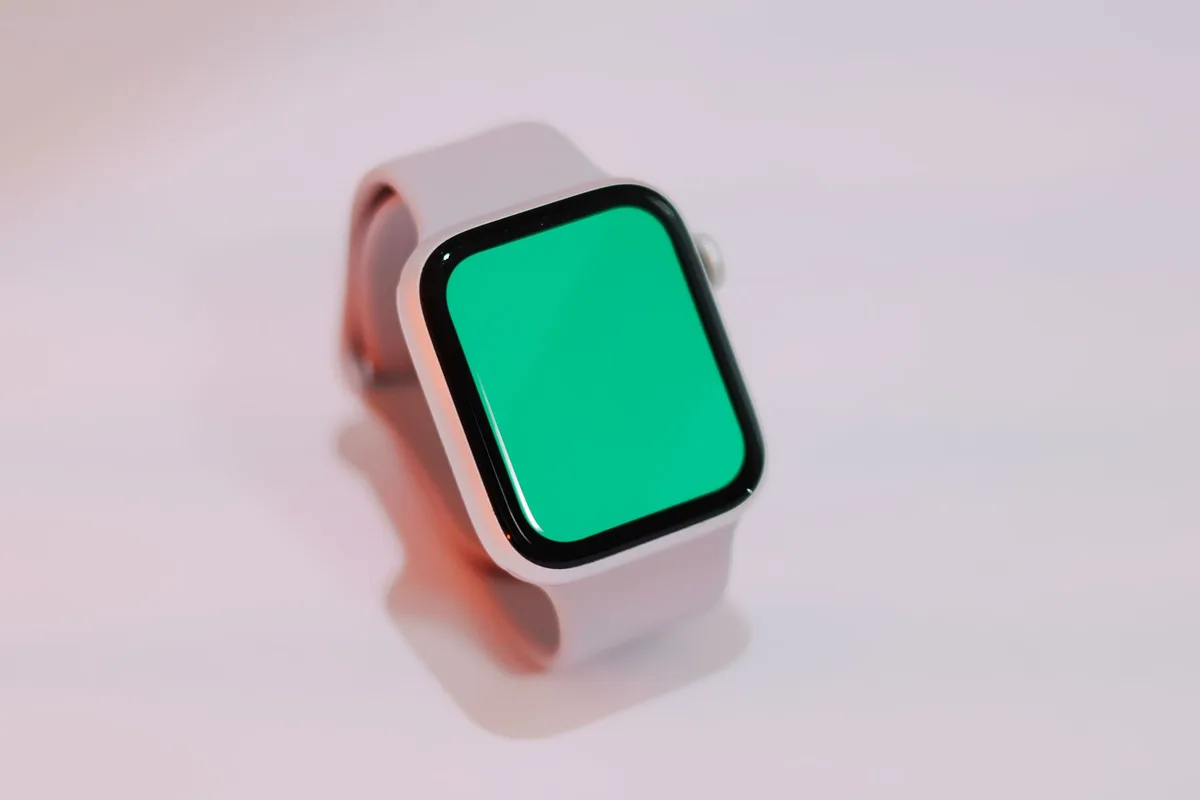
With a resolution of 480 x 336 pixels and a pixel density of 336 ppi, the display is pleasant to use daily, and information remains perfectly readable. The somewhat thick bezels are a slight drawback, but it’s hard to complain at this price range.
In terms of brightness, Xiaomi claims a peak that can reach 2,000 cd/m². We do not have the tools necessary to precisely verify this value on such a compact screen, as we would on a smartphone or monitor. In practice, even in bright sunlight, we encountered no particular difficulty in consulting the displayed data. The integrated ambient light sensor efficiently adjusts the screen’s intensity automatically, to the extent that we almost never had to intervene manually.
The situation is less convincing at night. Unlike many competing models, such as the Huawei Band 11 Pro, the Smart Band 10 Pro does not automatically turn off the screen at the start of the pre-programmed sleep mode. This omission is hard to understand for a health-oriented device. It is certainly possible to program the deactivation of the “Lift to wake” function, which turns on the screen when you turn your wrist.
In theory, this limits inadvertent activations, but unintended touches can still wake the screen. Thus, one must rely on the automatic sleep mode, which detects when you fall asleep to reduce screen activity. We would have appreciated a true sleep mode that allows for a complete and systematic shutdown of the display.
The Smart Band 10 Pro also features an Always-On Display (AOD) mode, which continuously maintains a simplified version of the watch face on the screen. This is a nice aesthetic touch, although this mode significantly impacts battery life.
By default, the bracelet comes with eight watch faces. The Mi Fitness app then allows you to download many others. The styles offered vary, some favoring simplicity, others focusing on sports data, while the most elaborate ones aim to display a maximum of information at a glance.
Xiaomi Smart Band 10 ProSmooth Interface but No Physical Button
The Xiaomi Smart Band 10 Pro includes 32 MB of RAM and 256 MB of storage. This configuration is sufficient to operate the bracelet and store data related to your activity, but it does not allow the installation of third-party apps. However, you can still receive notifications from your smartphone, including WhatsApp messages, YouTube notifications, and Instagram alerts. However, it is not possible to respond directly from the bracelet, as it lacks a virtual keyboard.
Mi Fitness (Xiaomi Wear)
Download Mi Fitness (Xiaomi Wear) for free
On the software side, the Smart Band 10 Pro runs on HyperOS for connected objects, a significantly stripped-down version of the system found on the brand’s smartphones.
The total absence of a physical button is quickly noticeable. Such a button would have allowed instantaneous return to the watch face or access to certain shortcuts. Thus, all navigation relies on touch controls.
- Swiping up gives access to all of the bracelet’s apps: activity statistics, workouts, sleep tracking, heart rate, among others.
- Swiping down displays notifications received from the smartphone.
- To the right, you find the most commonly used functions, such as the flashlight, alarm, or settings.
- Finally, swiping to the left allows access to various widgets: real-time heart rate, fitness status (number of steps, calories burned, and minutes of training), weather, and sleep tracking.
While the navigation is generally smooth and intuitive, certain omissions leave us perplexed. This is notably the case for the inability to automatically turn off the screen from a set time. On many models of watches or connected bracelets, the sleep time corresponds to the sleep schedule, which is not the case here. One must therefore rely on the automatic sleep mode, which detects your sleep to turn off the screen. Users wearing a sleep mask, like us, will probably not be bothered, provided they avoid inadvertent screen activations.
Additionally, the battery saver mode proves unconvincing in use. Once activated, it cuts the connection with the smartphone and only leaves the clock, pedometer, and NFC chip accessible. This choice is hard to understand, especially since it is necessary to manually resynchronize the bracelet with the app once the mode is deactivated. Given the excellent battery life of the Smart Band 10 Pro (which we will return to later in this article), the usefulness of this mode is limited.
On the other hand, the companion app Mi Fitness is particularly easy to use. Pairing is done effortlessly using a QR code displayed on the bracelet’s screen, allowing you to download the app directly. Once installed, our smartphone immediately detected the Smart Band 10 Pro. The entire procedure did not exceed thirty seconds, an excellent point.
The interface of Mi Fitness is clear from the first launch. The Health tab groups the main tracking data: estimated calories burned, number of steps, training time, sleep duration, heart rate, blood oxygen level, and stress level. Some additional functions, such as blood pressure monitoring or blood sugar tracking, are reserved for other devices from the brand.
The Training tab centralizes all your sports sessions. You will also find several fitness indicators there, including VO2 max, which represents the maximum amount of oxygen your body can use during intense effort.
Finally, the Device section allows for deep customization of the bracelet’s operation. It is possible to adjust the frequency of heart rate measurements, activate alerts for high or low heart rates, advanced sleep tracking, breathing rhythm control, blood oxygen monitoring, stress monitoring, and inactivity reminders. Naturally, activating these functions will have a more or less significant impact on battery life.
The Profile menu, for its part, groups the app’s general settings, the history of recorded routes, and synchronization options with third-party services such as Strava, Zepp, Apple Health, and Suunto.
In the end, Mi Fitness does not offer as many features as Zepp Health, the app used by Amazfit watches. However, it focuses on the essentials and stands out with a particularly clear interface, which is undoubtedly one of its main qualities.
Xiaomi Smart Band 10 ProSurprisingly Accurate Heart Rate Monitor but Unreliable GPS in the City
The Xiaomi Smart Band 10 Pro makes few concessions compared to smartwatches marketed in the same price range. It includes an optical heart rate monitor, a blood oxygen saturation sensor (SpO₂), an accelerometer, a gyroscope, an electronic compass, and an ambient light sensor.
Compared to the Smart Band 10, which lacks the “Pro” designation, this version is distinguished mainly by the presence of a single-band GPS. This allows you to record outdoor activities without having to carry your smartphone. It is compatible with the five main satellite navigation constellations: GPS (United States), GLONASS (Russia), Galileo (European Union), BeiDou (China), and QZSS (Japan).
The GPS Accuracy of the Xiaomi Smart Band 10 Pro
The integrated GPS relies on a single-band chip. In theory, this type of technology is less accurate than a dual-band system, especially in complex environments where buildings or vegetation can disrupt signal reception.
As usual, we evaluated the accuracy of the geolocation by comparing the Smart Band 10 Pro to our reference, the Apple Watch Series 9. Both devices were worn simultaneously to confront their tracks. Two outings were conducted in open ground, in a park, followed by a third in an urban environment, a much more demanding setting for geolocation systems.
| Runs | Apple Watch Series 9 | Xiaomi Smart Band 10 Pro | Difference |
|---|---|---|---|
| Run 1 (park) | 6.69 km | 6.77 km | +1.2% |
| Run 2 (park) | 4.08 km | 4.11 km | +0.74% |
| Run 3 (city) | 4.05 km | 4.69 km | +15.8% |
| Total | 14.82 km | 15.57 km | +5.06% |
During the first outing in the park, the Smart Band 10 Pro accurately replicated the trajectory recorded by the Apple Watch. While the track shows some slight zigzags, which betray the limitations of the single-band chip, the discrepancy remains very contained: the bracelet only displays 80 meters more on a 6.69 km course, a difference of about 1.2%. This is a quite convincing result for a fitness tracker in this price range.
Similar Posts
- “I couldn’t believe it when I saw the price”: the new Galaxy Watch8 is already on sale just a few days after its launch
- AirPods Pro 3 vs Apple Watch: Which Truly Monitors Your Heart Rate During Sports?
- Samsung, Apple, Garmin, Huawei High-tech sales: the most popular smartwatches are on sale right now
- Amazfit Active 3 Premium Review: Could This Be the Best Watch Under €200?
- Galaxy Watch 8 Classic: After Two Weeks, This Watch is Definitely Worth its €500 Price Tag. Here’s Why!

Maya Singh is a senior editor covering tablets and hybrid devices. Her work explores how these tools reshape digital productivity and learning. She also contributes to feature editorials on emerging tech.