
Scientists confirm: This is the most effective way to get your cat’s attention, according to new research
Elderly Couple Refuses Reserved Seats—Viral Train Standoff Sparks Fiery Debate on Courtesy
Apple Reveals New Apple Watch Models with Extended Battery Life
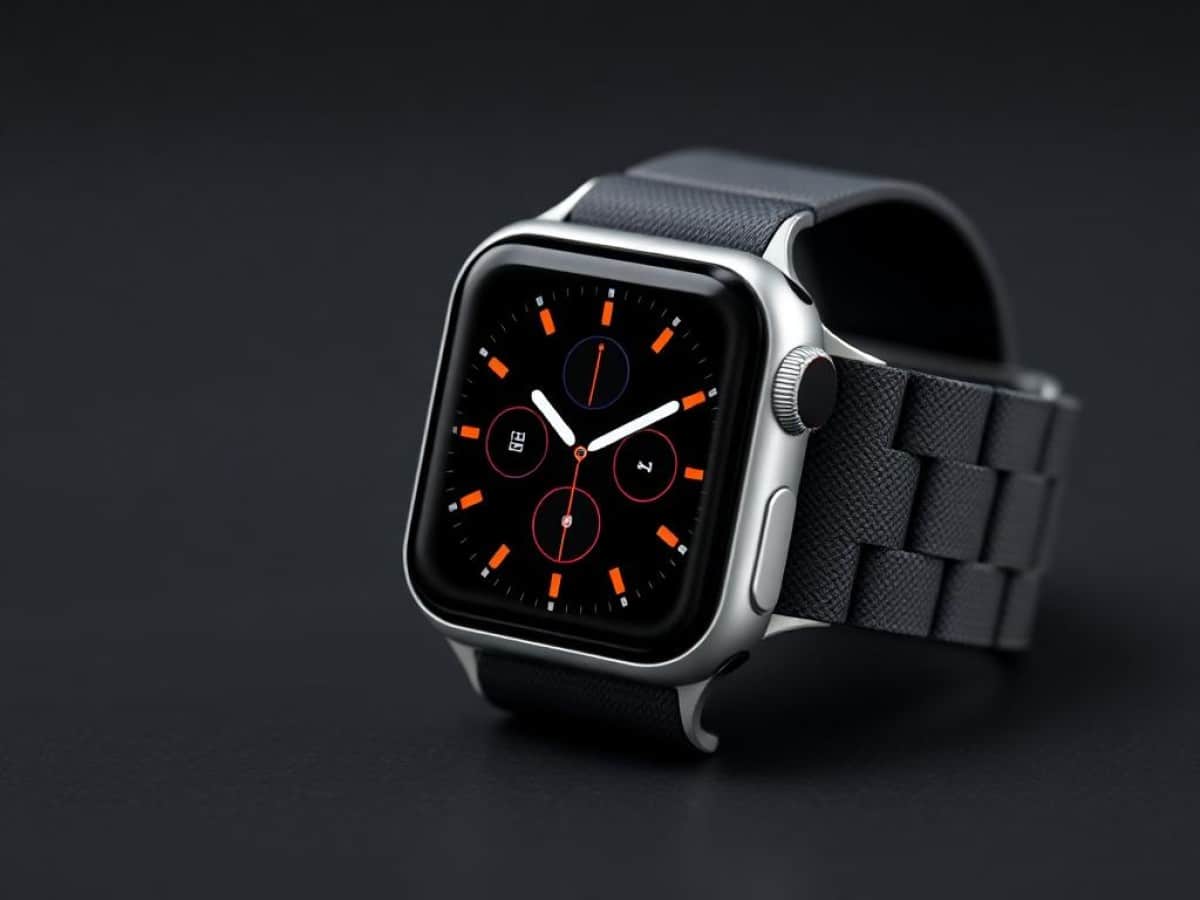
On Tuesday, Apple introduced its latest iterations of the Apple Watch, the Series 11 and Ultra 3. These new models boast a significant increase in battery life compared to their predecessors: the Series 11 now lasts 24 hours, up from 18 hours in the Series 10, and the Ultra 3 extends to 42 hours from the previous 36 hours in the Ultra 2. But what strategy did Apple use to achieve an additional six hours of battery life without altering the design of these models? It turns out, the approach involves a slight tweaking of their testing methodology.
Changes in Testing Protocols
According to reports from WatchGeneration, Apple has modified the testing protocol used to measure the battery life of its watches. For context, here is the protocol for the Apple Watch Series 10:
The one-day battery life is based on the following usage: 300 time checks, 90 notifications, 15 minutes of app usage, and a 60-minute workout with music playback from the Apple Watch using Bluetooth, all over an 18-hour period.
Below is the protocol for the Apple Watch Series 11. As you can see, the typical day’s usage hasn’t changed at all! However, Apple has added six hours of sleep tracking to its estimate. While sleep tracking does consume battery, it uses significantly less than active usage throughout the day.
The one-day battery life including sleep tracking is based on the following usage: 300 time checks, 90 notifications, 15 minutes of app usage, a 60-minute workout with music playback from the Apple Watch using Bluetooth, and 6 hours of sleep tracking, over a 24-hour period.
Since the Apple Watch is marketed as a sleep tracking tool, incorporating this period into the battery life estimate is logical. Apple has not misrepresented the improvement in battery life, and evidence from MacRumors confirms this with legal filings from Apple showing that the batteries indeed have a larger capacity—1,245 or 1,403 Wh for the Series 11 compared to 1,118 or 1,266 Wh for the Series 10, an increase of about 11% (which is significantly less than the 33% implied by the increase from 18 to 24 hours). However, Apple’s communication about this issue has been somewhat clumsy, if not misleading.
Similar Posts
- Apple Watch 2025 Revealed: Series 11, Ultra 3 – What Will They Look Like?
- Apple Watch Ultra 3 Revealed: Full Rumor Roundup Before Keynote!
- iPhone 17 to Supercharge Battery Life and Charging Speed: Anticipated Changes Revealed!
- Samsung, Apple, Garmin, Huawei High-tech sales: the most popular smartwatches are on sale right now
- Apple Watch Series 3 & iPhone 11 Pro Max Facing Obsolescence: Upgrade Soon!

Ethan Rivers focuses on Android smartphones, emerging mobile platforms, and operating systems. With a critical yet fair perspective, he evaluates devices on performance, design, and ecosystem compatibility.