
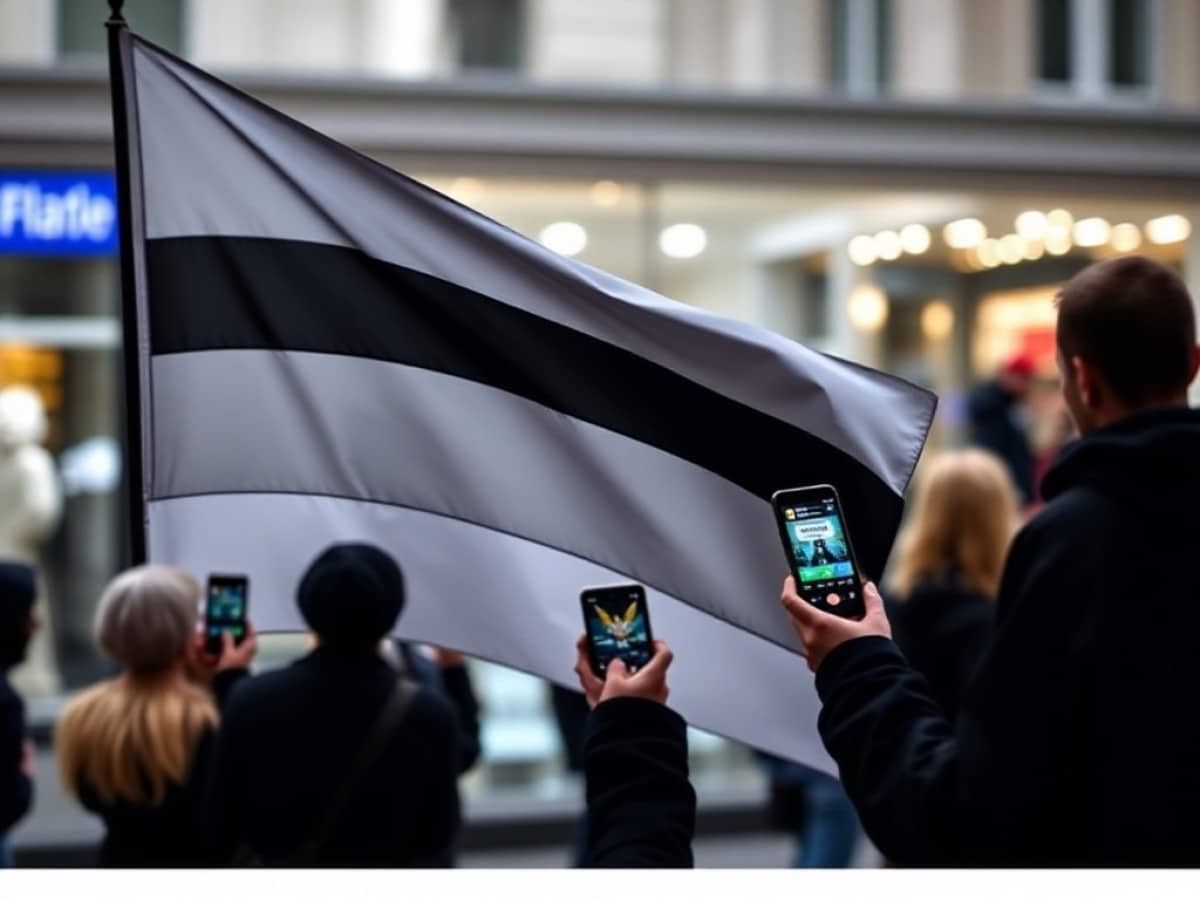
Estonia Chooses Not to Ban Social Media for Kids
As the digital landscape continues to evolve, different countries are exploring varied approaches to handling the impact of social media on children. In stark contrast to some nations that are considering restrictions on social media access for younger users, Estonia has taken a firm stance against banning these platforms for children.
Scientists confirm: This is the most effective way to get your cat’s attention, according to new research
Elderly Couple Refuses Reserved Seats—Viral Train Standoff Sparks Fiery Debate on Courtesy
Why Estonia is Saying No to Bans
Estonia, often hailed as one of the most digitally advanced countries in the world, is advocating for an approach that focuses more on education rather than prohibitions. The country believes in equipping children with the necessary skills and knowledge to navigate the digital world safely and responsibly, rather than outright denying them access to social media.
Authorities in Estonia argue that social media can be a valuable tool for learning and development if used correctly. They emphasize the importance of teaching children how to use these platforms wisely, which includes understanding the risks and managing their online presence effectively.
Educational Initiatives Over Restrictions
Instead of implementing bans, Estonia is investing in comprehensive digital literacy programs for children. These initiatives aim to educate the young on various aspects of digital usage, from maintaining privacy and security online to recognizing misinformation and dealing with cyberbullying.
The approach is holistic and extends beyond the classroom. It involves parents, teachers, and community leaders, all working together to ensure that children can benefit from digital technologies while staying safe. This collaborative effort helps create an informed and cautious generation of internet users.
Positive Outcomes Expected
The Estonian government expects that this emphasis on education over restriction will yield positive outcomes. By empowering children with knowledge and critical thinking skills, they are more likely to become responsible digital citizens who can leverage the benefits of social media without falling prey to its potential pitfalls.
Furthermore, this strategy supports the idea of inclusivity and equal access to digital resources, enabling children from all backgrounds to participate in the digital age. This is particularly important in a world where digital skills are increasingly seen as essential for personal and professional development.
Conclusion
Estonia’s decision to not ban social media for children reflects a broader belief in the power of education to address challenges posed by digital technologies. Rather than shielding children from the digital world, Estonia is preparing them to engage with it safely and effectively. This proactive approach could serve as a model for other countries grappling with similar issues, highlighting the potential of education as a tool for empowerment in the digital era.
Similar Posts
- Europe Considers Social Media Ban for Minors: Tackling Online Dangers
- UK Considers Social Media Ban Under 16 Amid Public Pressure: Citizens Push for Change
- Meta to Enhance Child Safety on WhatsApp: Introducing Limited Accounts for Young Users
- Social Media Showdown: Meta Challenges Australia’s Under-16 Ban
- Banning Social Media Under 15? How European Law Challenges French Legislation
Why You Should Never Reheat These Foods in the Microwave – The Hidden Dangers Experts Warn About
I tried the top 5 guard dogs—here’s what makes these breeds the ultimate protectors

Samantha Klein is a seasoned tech journalist with a sharp focus on Apple and mobile ecosystems. With over a decade of experience, she brings insightful commentary and deep technical understanding to the fast-evolving world of consumer technology.