
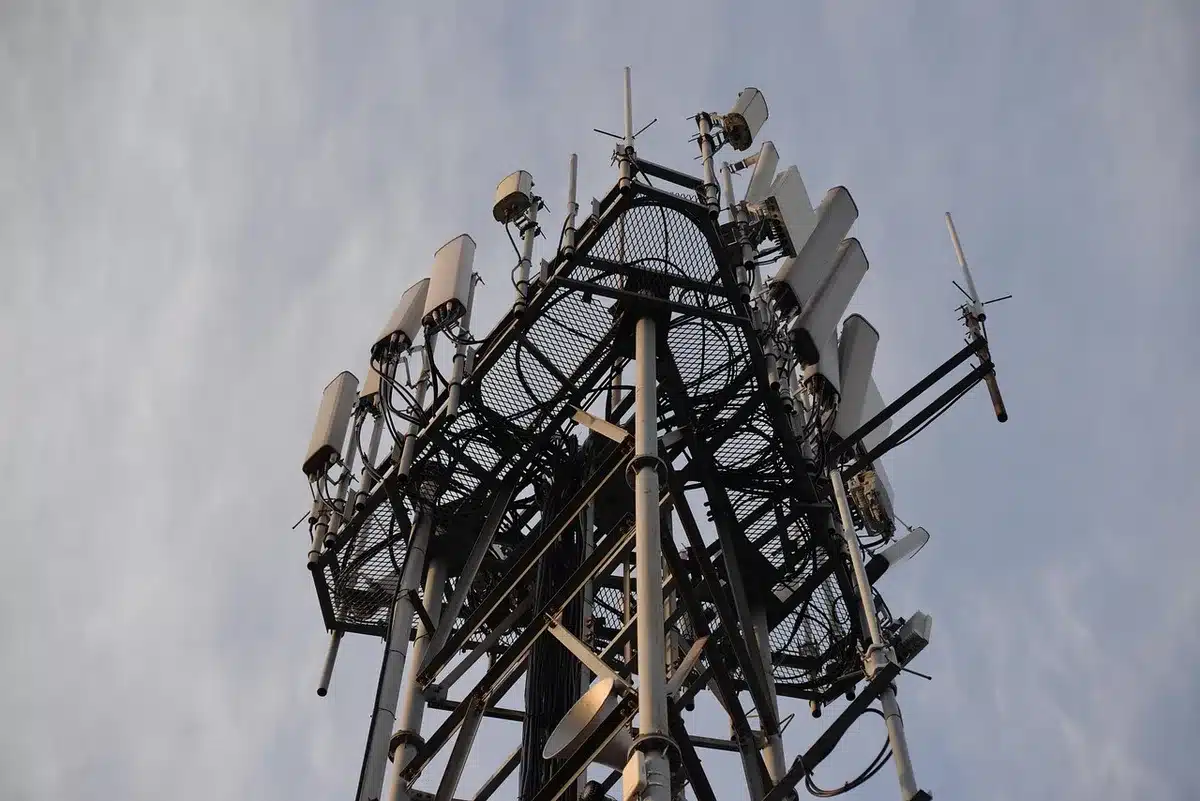
The fifth generation of mobile networks has shifted from being seen as a hallmark of progress to becoming a major hurdle for Mexico’s telecom operators. After the initial momentum following 5G rollouts in 2021, carriers pushed the technology forward aggressively, but expansion has slowed noticeably over the past year.
Scientists confirm: This is the most effective way to get your cat’s attention, according to new research
Elderly Couple Refuses Reserved Seats—Viral Train Standoff Sparks Fiery Debate on Courtesy
In December 2021 AT&T was the first to activate 5G in 25 Mexican cities; Telcel followed in February 2022, turning on 5G in 18 locations. Yet this year those rollouts have largely plateaued.
Operator-reported figures show that by the first quarter of 2025 Telcel still lists 125 cities with 5G—unchanged from 2024. AT&T has grown from 31 cities in 2022 to 56 this year, while Telefónica reports 38 cities covered since it launched its service a little more than two years ago.
Mexico’s sluggish 5G expansion places the country among the slower-growing markets in Latin America. The GSMA — the global trade body for mobile network operators that includes firms such as América Móvil, AT&T and Telefónica — puts Mexico’s growth rate at 24 points, versus 30 for Brazil and 33 for Chile.
Looking at national regulator data provides more context: Brazil’s telecom agency (Anatel) reported that, as of May 13 this year, operators had deployed 5G in 450 cities. Mexico, by comparison, has reached 210 cities, which is less than half the number of Brazilian municipalities with service.
Jorge Moreno Loza, a lawyer specializing in telecommunications, attributes the slow pace largely to the heavy investments required from carriers like Telcel and AT&T. Building out networks demands substantial spending on infrastructure—antennas, backhaul and other hardware—as well as on acquiring spectrum bands, which can be the costliest component due to license fees and related obligations.
Moreno Loza also highlights other factors adding uncertainty: potential U.S. tariff changes that could raise the price of imported components, and a shifting regulatory landscape with the creation of the Agency for Digital Transformation and Telecommunications (ATDT), an entity that could have both regulatory and operational influence in the sector.
Technically, 5G deployment is far more demanding than previous generations. It requires roughly ten times more infrastructure than is currently in place, including much greater quantities of fiber optic cable to handle increased traffic and lower latency. Estimates suggest operators would need to install up to five times as many towers in addition to the more than 40,000 sites already in operation.
The Economic Commission for Latin America and the Caribbean (ECLAC/Cepal) has estimated that Mexico would need about $37.4 billion in investment to achieve nationwide 5G coverage.
Why You Should Never Reheat These Foods in the Microwave – The Hidden Dangers Experts Warn About
I tried the top 5 guard dogs—here’s what makes these breeds the ultimate protectors
“5G requires huge investment, and with the current tariff and regulatory environment operators will likely expand 5G only in a handful of cities; even general network deployment could experience a slowdown,” Moreno Loza warned.
Major players have signaled more cautious capital spending this year. América Móvil’s CEO, Daniel Hajj, said the company plans to invest $6.7 billion in networks in 2025, a reduction of 5.6% compared with the $7.1 billion invested the previous year.
Without widespread 5G, countries can lose competitive ground. Mexico’s Plan México aims to position the country as an attractive destination for firms seeking to set up operations and automate processes, but limited progress on 5G could hinder those investment and automation goals.
The absence of full 5G coverage already affects business operations: the Cradlepoint “State of Connectivity 2024” report found that five out of ten companies experience an average of one to two hours of connectivity disruption per week, raising operational costs and damaging reputations.
“The simple lack of connectivity capacity for what’s called Industry 4.0 could cause a severe technological standstill for the country, especially given the current economic conditions,” the specialist lamented.
Similar Posts
- Mexico Owns Just 3% of the Fiber Optic Infrastructure Compared to the US: Digital Gap Highlighted
- French Operators Fear eSIM Proliferation: Is This the Future of Mobile Tech?
- iPhone Air launch in China delayed: regulatory hurdles put Apple’s thinnest phone on hold
- Slash Your Phone Bill: Urgently Disable This Feature to Avoid High Charges!
- Free Mobile Launches Wi-Fi Texting with iOS 26: Revolutionize Your Messaging Experience!

Lucas Monroe tracks the latest trends in mobile and 5G innovation. His work spans hardware analysis, telecom breakthroughs, and ecosystem development in next-gen connectivity.