
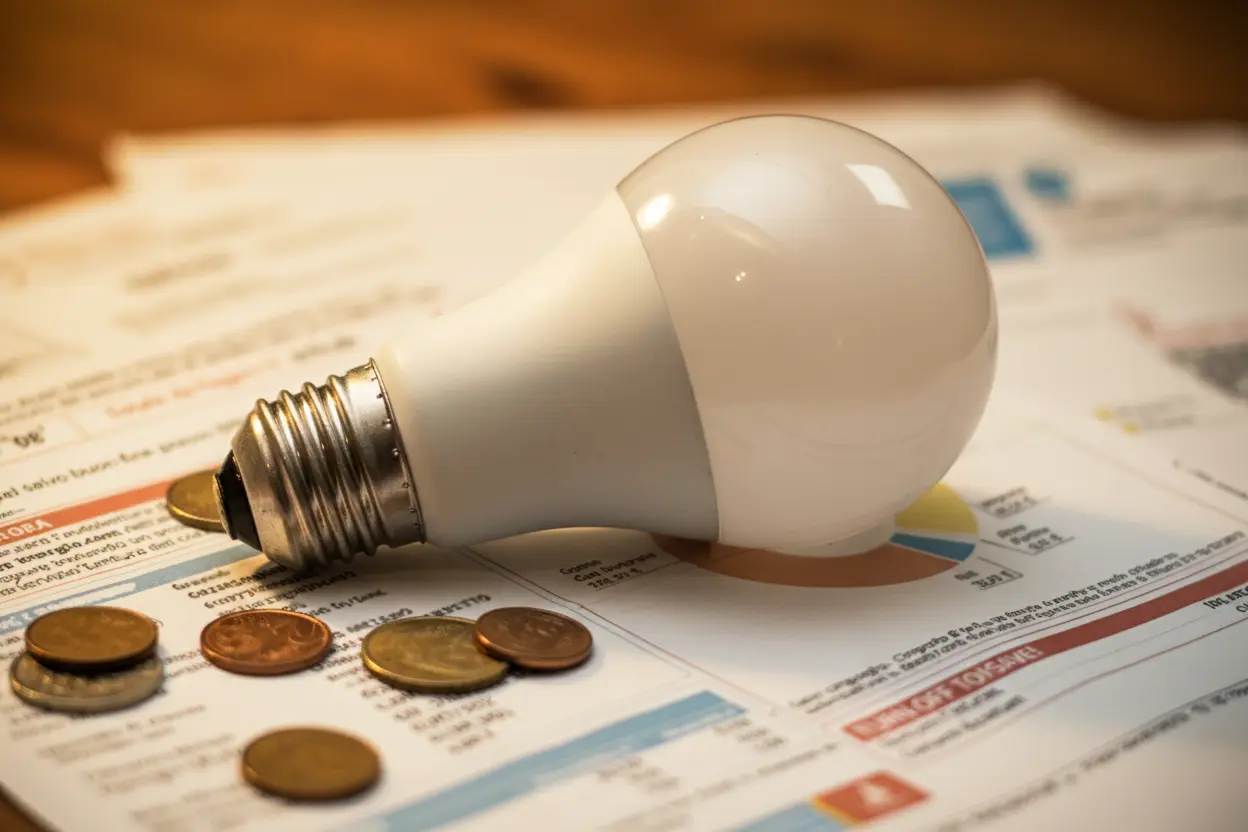
What if we told you that simply flipping a switch at lunchtime could pad your wallet each year? That’s right—experts confirm that turning off one overlooked household device in the middle of the day might lead to major savings, especially as energy prices inch ever higher. Intrigued? You should be. Let’s dive in.
Scientists confirm: This is the most effective way to get your cat’s attention, according to new research
Elderly Couple Refuses Reserved Seats—Viral Train Standoff Sparks Fiery Debate on Courtesy
The Unsuspected Culprit: The Electric Water Heater
In every French household, the electric water heater works hard day after day, whether it’s fueling those gloriously hot showers or tackling mountains of dishes. Yet, while this heroic appliance doesn’t often grab headlines, it has a stealthy side: according to ADEME (the French Environment and Energy Management Agency), it’s responsible for up to 20% of your annual electricity bill. On average, that percentage sits around 11%—but the bigger your tank, the more you’ll be paying. Shocking? Perhaps. But don’t panic; you won’t have to start taking cold showers—or (gasp!) eating off dirty plates. Simple actions can keep your energy bill from boiling over.
Experts Agree: A Tiny Habit With Big Impact
According to ADEME, slashing your water heater’s electricity use is within reach. The secret? Simple, everyday reflexes. With mindful actions, anyone can save up to one-third of the electricity their water heater uses. Sure, the most obvious move is turning the heater off during absences of several days, but why not apply that same logic… every day, especially during lunchtime?
If you’re imagining complicated routines or setting up elaborate timers, relax! This is as easy as flipping a switch. And, as it turns out, even a brief midday break can yield outsized results.
Putting Theory To The Test: A Nationwide Experiment
In 2022, the energy distributor Enedis put this principle to the test on a large scale. Thierry Sudret, head of operations and systems at the time, explained that one day of experimentation led to an eye-popping result: 2.4 gigawatts of electricity saved. To put that in perspective, that’s as much power as 2.4 million French people use—a win Sudret proudly called a “great success.” And it happened just by interrupting the water heater’s cycle between noon and 2pm.
Here’s how it worked, and why it’s so pain-free:
- Between noon and 2pm, the water heating element wasn’t activated. That’s it!
- Households still had hot water available because the tank held its temperature for hours—no cold showers needed during those two midday hours.
- The tank reheated automatically overnight, so regular routines continued uninterrupted.
- If ever the hot water ran out completely (let’s face it, sometimes the dishes just keep coming), there’s a handy “forced operation” function to reheat immediately.
Some participants were initially wary, fearing their homes would become the setting for an energy-saving horror story. But Sudret reassured everyone: “The only difference is that the water tank doesn’t heat during that two-hour period—it reheats at night. We haven’t had any complaints.” In other words, it’s a painless habit that adds up to real impact.
The Financial Case: Small Step, Big Savings
Let’s talk euros and cents. With the electricity rate forecast at 0.1952 euros per kilowatt-hour in September 2025, just two hours of this switch-flipping could mean a collective savings of nearly 468,480 euros nationwide. Now, imagine carrying that over to every single day: the potential for shaving hundreds of euros a year off your bill is very real.
What’s more, such a saving couldn’t be more timely as heating bills loom large with the arrival of colder months. And the cherry on top? As Sudret summed it up: “This measure is almost imperceptible for people, is highly effective, and to date we’ve received no complaints.” Hard to argue with that logic.
Why You Should Never Reheat These Foods in the Microwave – The Hidden Dangers Experts Warn About
I tried the top 5 guard dogs—here’s what makes these breeds the ultimate protectors
In conclusion: If you’re looking for an easy, fuss-free way to chip away at your electricity bill—without sacrificing comfort—consider switching off your electric water heater over lunch. It’s a proven, painless way to make your home more energy efficient, and your wallet a little heavier. Your future self (and maybe your bank account) will thank you for making this clever midday move.
Similar Posts
- Apple Launches Refurbished iPhone 15: How Much Will You Save?
- The genius aluminum foil freezer hack that slashes defrosting time and cuts your energy bills
- Apple Boosts iPhone Trade-In Value Until June 18: Upgrade Now and Save!
- Bill Gates to Donate Entire Fortune: Announces Closure of His Foundation
- Tapo RV50 Pro Omni Review: Discover Your New Daily Companion!

Jordan Park writes in-depth reviews and editorial opinion pieces for Touch Reviews. With a background in UI/UX design, Jordan offers a unique perspective on device usability and user experience across smartphones, tablets, and mobile software.