
Scientists confirm: This is the most effective way to get your cat’s attention, according to new research
Elderly Couple Refuses Reserved Seats—Viral Train Standoff Sparks Fiery Debate on Courtesy
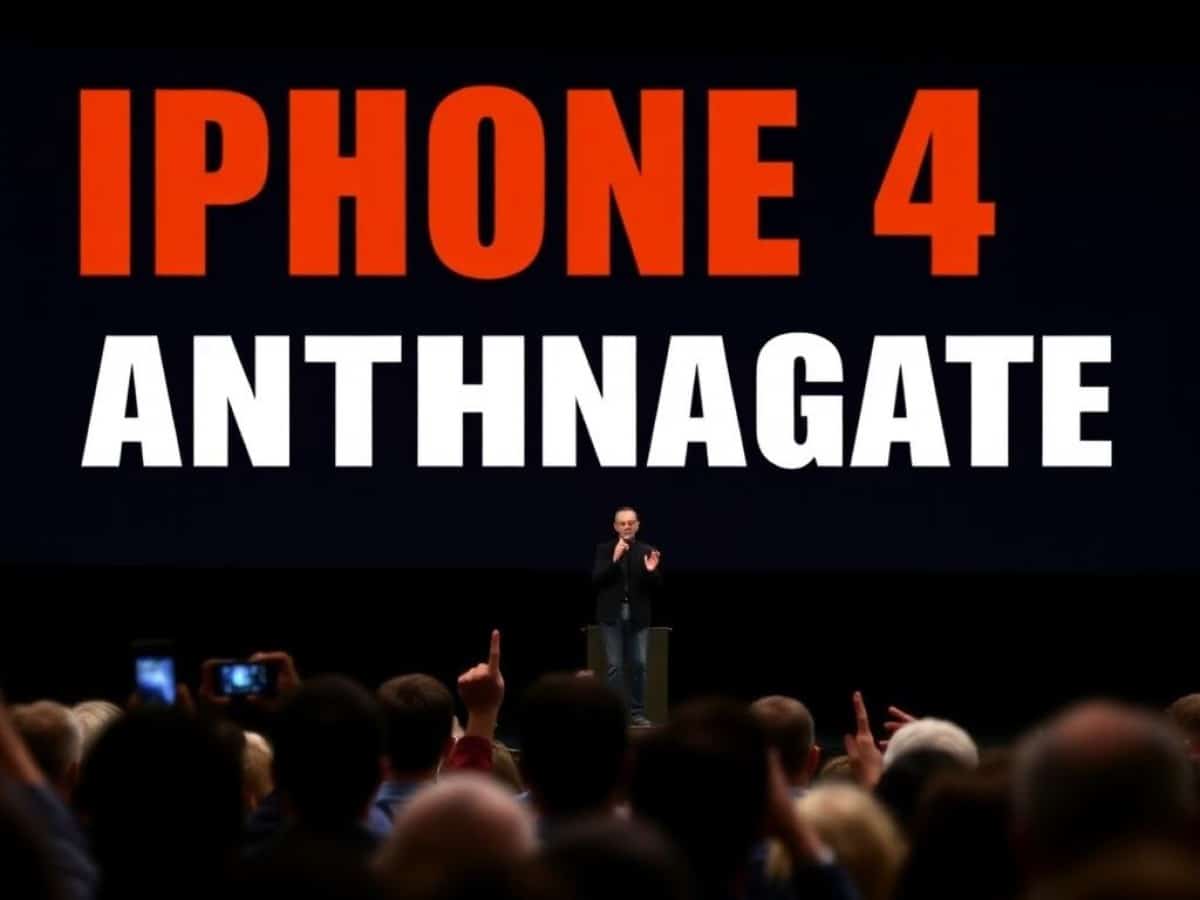
Fifteen years ago, the iPhone 4 was launched, ushering in yet another controversy with a “-gate” suffix, a favorite American way to denote a major scandal: Antennagate. Amid abundant feedback, both on forums and in videos, and a sharp retort from Steve Jobs, 9to5Mac eventually unraveled the mystery.
“You’re holding it wrong.” Even 15 years later, this phrase still echoes for those who witnessed the press conference held by Apple in response to the growing frustration among iPhone 4 users. Although this blunt response, attributed to Steve Jobs, was never actually spoken by him—his exact words were “Just avoid holding it in this way” in a message to an ArsTechnica journalist—many users noticed a drop in signal quality depending on how they held their phones. Initially, Apple tried to dismiss the issue as merely a display error:
After investigation, we were stunned to find that the formula we use to calculate the number of signal strength bars displayed is completely wrong. Our formula, in many cases, mistakenly shows two more bars than it should for a given signal strength. For example, we sometimes display four bars when we should only display two. Users noticing a drop of several bars when holding their iPhone in a certain way are likely in an area with very weak signal strength, but they do not realize it because we incorrectly display four or five bars. The sharp drop in bars they observe is because the high number of bars displayed before was never real.
The conference led by Steve Jobs is still considered a textbook example of crisis management that only the co-founder of Apple could execute: few CEOs, when backed into a corner, could have managed to say “You’re holding it wrong” with as much poise as Steve Jobs did. And yet, he did it.
Ultimately, Apple released iOS 4.0.1, which “corrected” the display issue, thus reducing the visibility of this reception variation. Software engineer Sam Henri Gold highlighted the changes Apple made in iOS 4.0.1, which amounted to just 20 bytes.
I downloaded both firmwares and began digging. In the CoreTelephony framework, I found a promising binary: CommCenter. Examining the strings quickly led me to suspect that the formula for the bars was there. The calculation itself is extremely simple. To convert signal strength into bars, CommCenter loads each threshold into memory and compares them until it finds the right range. The problem isn’t here. It’s this lookup table. When graphed, it’s evident that its values are skewed because they’re far too optimistic. Typically, we saw 4 to 5 bars. But when you grip the device, the drop was so drastic that you could go from 5 to 2 bars instantly. In iOS 4.0.1, they modified these values to make the transition much smoother. On a graph, it now takes a much larger signal loss to go from 5 to 0 bars. It’s harder to see 5 bars, but it also becomes less common to suddenly drop.
In 4.0.1, they changed these values to be way smoother. pic.twitter.com/CVZs1XR0uY
— sam henri gold (@samhenrigold) October 7, 2025
In addition to this minor tweak intended to smooth out the curve representing signal intensity, Apple also took the opportunity to slightly lengthen the first signal bar. Psychologically, this made users feel less like their network coverage was subpar.
15 years later, this manufacturing flaw, how Apple managed the crisis, and Steve Jobs’ audacity remain memorable. All this fuss over just 20 tiny bytes…
Why You Should Never Reheat These Foods in the Microwave – The Hidden Dangers Experts Warn About
I tried the top 5 guard dogs—here’s what makes these breeds the ultimate protectors
Similar Posts
- Tim Cook Surpasses Steve Jobs in Tenure as Apple CEO: How Has Apple Changed?
- Steve Jobs Immortalized on $1 Coin: Collectors and Fans Rejoice!
- Tim Cook’s Tribute to Steve Jobs: A Letter to Young Innovators
- iPhone Trade-In Values Surge at Apple Store: Increased Offers Until June 18!
- Apple’s 50th Anniversary: Tim Cook Plans Big Celebration!

Ava Blake is passionate about social media platforms and how they influence modern tech culture. She reviews apps, trends, and the evolving digital lifestyle for Touch Reviews readers.