
Scientists confirm: This is the most effective way to get your cat’s attention, according to new research
Elderly Couple Refuses Reserved Seats—Viral Train Standoff Sparks Fiery Debate on Courtesy
Typically, RAM and SSD costs account for about 15% of a component’s price, but this proportion is expected to climb beyond 30% this quarter. Simultaneously, Intel has reportedly increased the prices of its entry-level processors by over 15%, “with plans for further price hikes for consumer and mid-to-high-end platforms in the second quarter of 2026.”
As a result, TrendForce predicts that the combined cost of memory and CPU in mainstream laptops (priced around $900) will jump from 45% to 58%. Consequently, laptop prices would need to increase by at least 30% for manufacturers to maintain their profit margins.
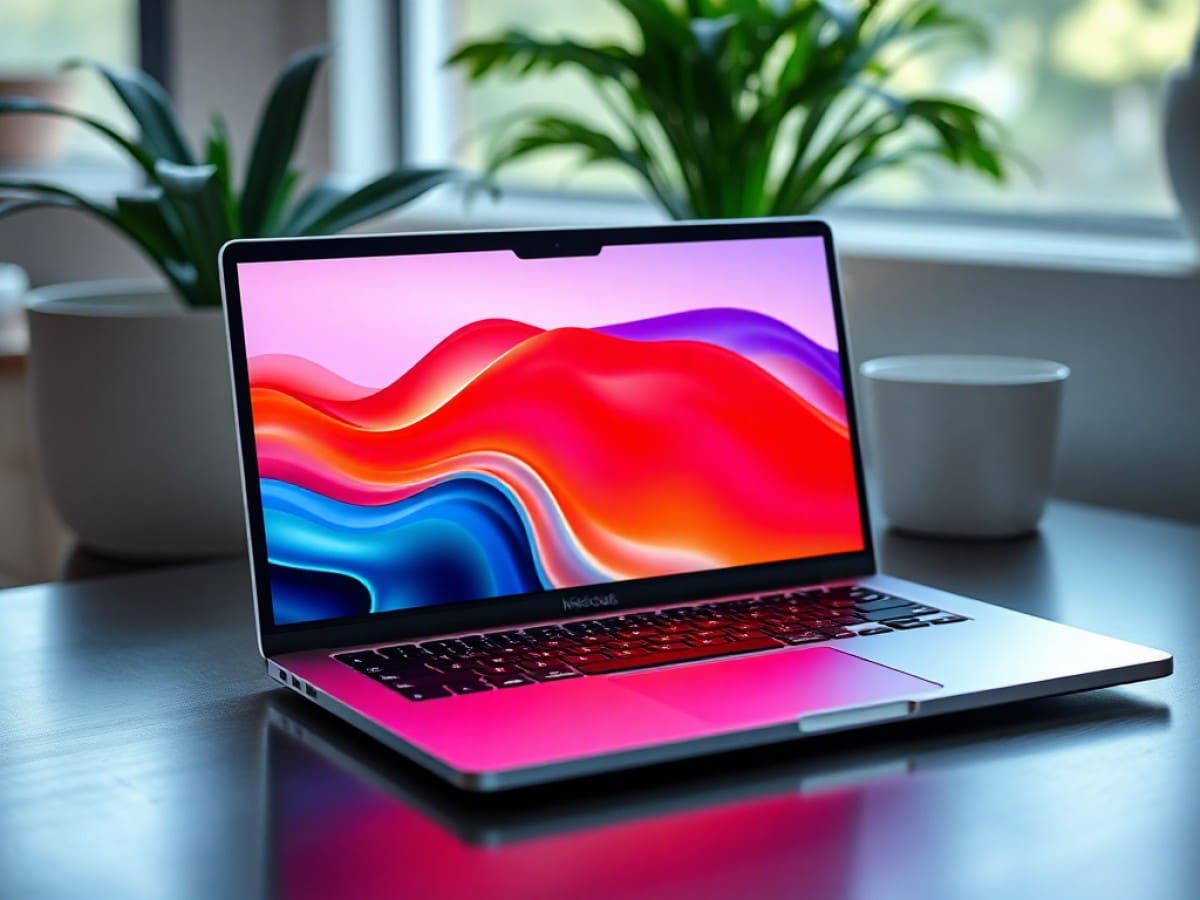
In this environment, there were fears that Apple would raise its prices… which it did, increasing the starting price of the MacBook Air and MacBook Pro by €100. However, Apple added a significant twist by doubling the default storage capacities to a minimum of 512 GB on the MacBook Air and 1 TB on the MacBook Pro. During this announcement, Apple introduced its MacBook Neo, which reverts to the minimum 256 GB of storage and returns to 8 GB of RAM as standard, but with an unprecedented pricing of €699 for the general public and €599 for students.
With the MacBook Neo, Apple leverages its technological expertise: its self-designed A18 Pro chip is less costly than purchasing a processor from Intel, which also does not deliver the same performance per watt. Additionally, macOS is particularly adept at handling RAM constraints. Early tests of the MacBook Neo suggest it offers one of the best value-for-money on the market. While competitors are squeezed by costs, Apple has strategically positioned itself to capture market share in the entry-level segment, potentially by cutting its margins, though perhaps not as much as one might think (considering macOS does not require a license), especially since the company plans to compensate by selling services. PC manufacturers are gearing up to respond, but do they have the resources to do so? The coming months will be critical to watch.
Similar Posts
- Budget-Friendly MacBook Rumor: Spring Release Anticipated!
- Soaring RAM Costs Set to Hit Laptops and PCs in 2026: Black Friday Could Be Your Lifeline!
- iPhone 17 Drama: Experts Clash Over Price Predictions for New Models
- Black Friday Alert: Why Apple Products Always Cost More in France
- MacBook Pro M5 Launches in Europe: First Mac Ever Sold Without a Charger!

Ethan Rivers focuses on Android smartphones, emerging mobile platforms, and operating systems. With a critical yet fair perspective, he evaluates devices on performance, design, and ecosystem compatibility.