
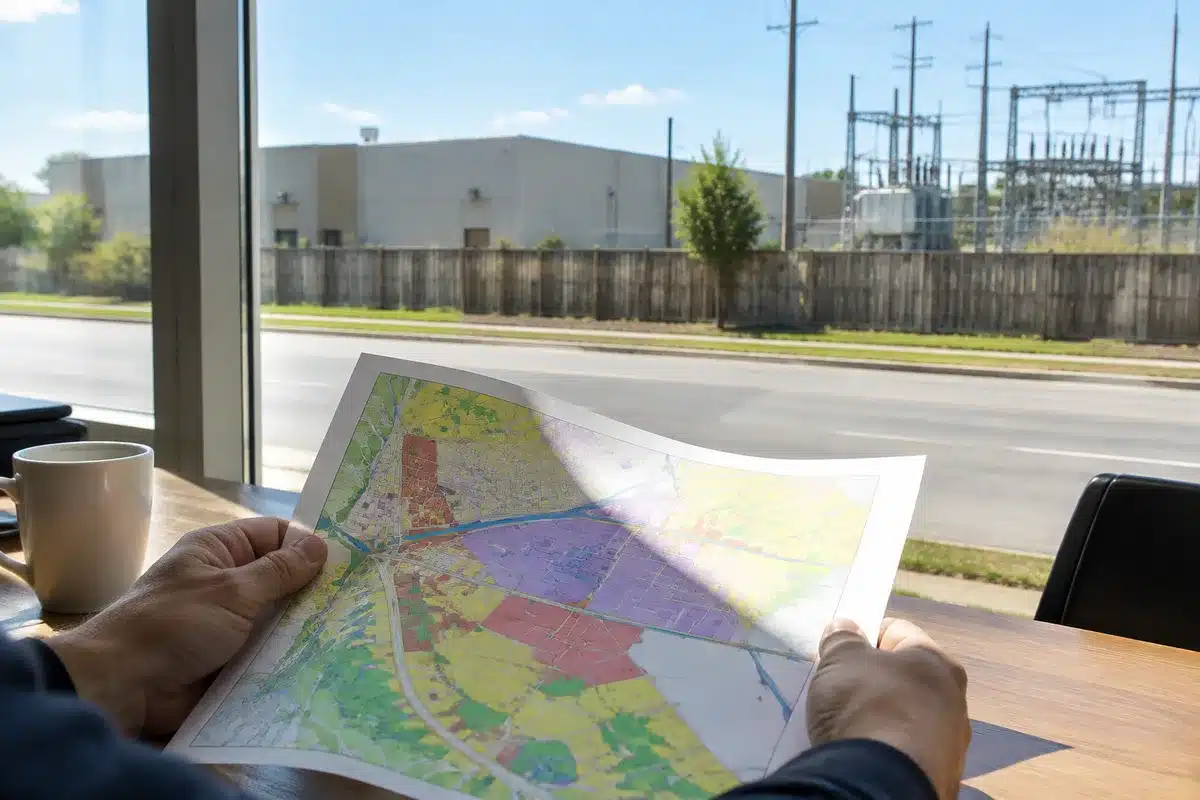
The United States is the global center for data centers. According to Data Center Map, there are more than 5,000 such facilities scattered across the country. Although the tech sector continues to expand this infrastructure to support growing computing needs, resistance from local communities surfaced as a potent political issue during the midterm elections.
Scientists confirm: This is the most effective way to get your cat’s attention, according to new research
Elderly Couple Refuses Reserved Seats—Viral Train Standoff Sparks Fiery Debate on Courtesy
Democratic candidates Gina Hinojosa —who, according to the original report, became the first Latina to win the governorship of Texas after defeating Greg Abbott— and Keisha Lance Bottoms —reported as the first Black governor of a U.S. state— made moratoria on data-center development a feature of their campaigns. That stance signals to investors that public sentiment toward the expansion needed to power artificial intelligence may be shifting.
These electoral wins, analysts say, give momentum to the movement pushing back against data centers and could spark stricter rules governing how and where these facilities are built nationwide. In fact, 26 candidates in the elections ran on platforms that included restrictions or limits on data-center projects.
Aidan Yao, senior investment strategist at the Amundi Investment Institute, told Reuters that this cycle looked less like a referendum on former President Trump and more like a vote on the future of AI. He warned that if AI-related activity faces new constraints, the resulting uncertainty could complicate the outlook for the U.S. economy, inflation and monetary policy.
Texas, a key state for data-center capacity, now has a Democratic governor
Texas is a pivotal case. GLJ Research estimates that roughly one-quarter of the data-center capacity expected to come online in the United States by 2030 is slated for Texas. Hinojosa’s victory represents a significant political shift in a state long dominated by conservative leadership that has actively courted major tech and aerospace players.
For years Texas worked closely with Elon Musk and SpaceX to position itself as a tech hub; the billionaire reportedly donated over $150 million toward Republican campaigns in the state. Musk’s plans in Texas include building a chip manufacturing plant —TeraFab— in Grimes County to supply silicon to SpaceX, its AI unit SpaceXAI, and to Tesla. In June, local officials approved a full property-tax exemption for TeraFab, a decision that provoked backlash from many residents.
After the election results, Musk posted a wry comment on social media suggesting his efforts to influence outcomes had failed and joking that placing data centers in space might now seem attractive.
In Georgia, Keisha Lance Bottoms campaigned on pausing new data-center construction across the state. She called for a comprehensive review of their effects, urging authorities to examine environmental impacts, the implications for household utility bills and what it means to host large-scale data infrastructure within communities.
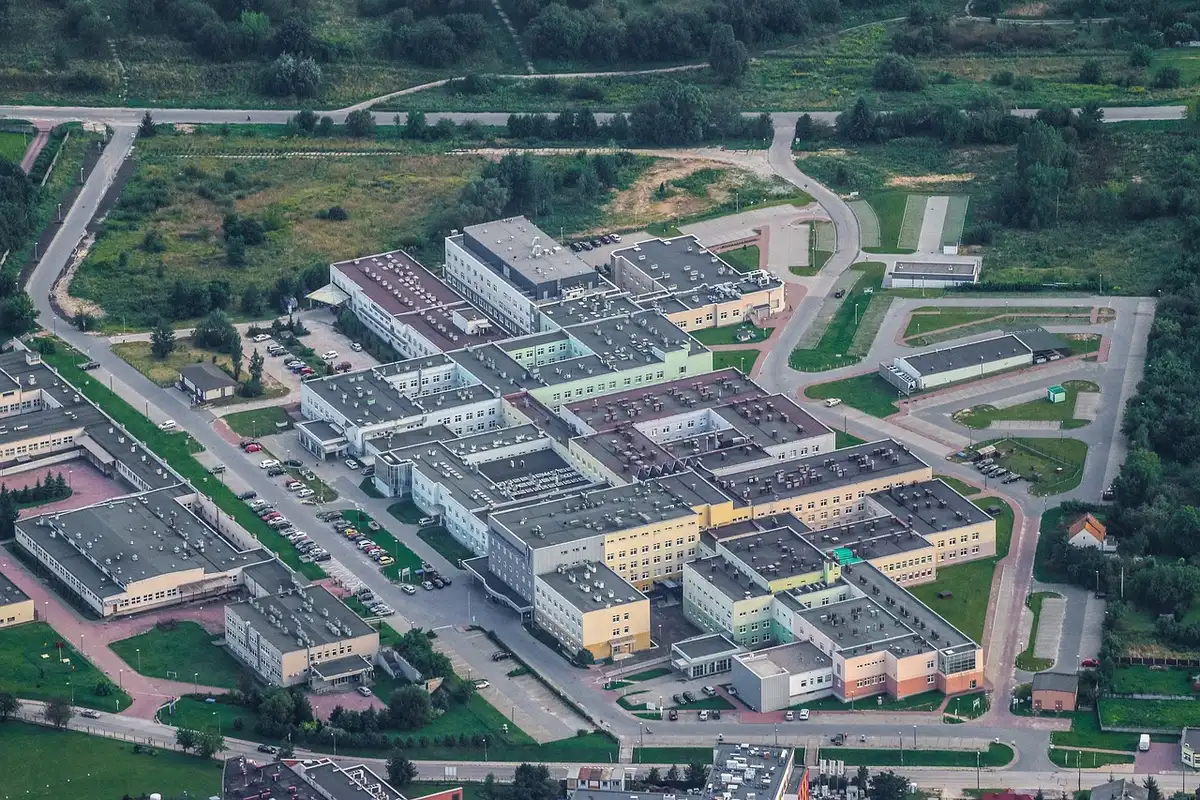
A likely turn toward tougher regulation of AI-related infrastructure
The push to build more data centers has been driven largely by the rapid growth of AI, but analysts expect the electoral “blue wave” to usher in a period of heightened regulation for technology companies. Nick Ferres, chief investment officer at VantagePoint Asset Management, told Reuters that Democrats are likely to press for stricter oversight. He identified two main challenges for the sector: the profitability of investments in infrastructure and the financing that fuels the AI boom — both of which may become harder to secure under a new regulatory environment.
Why You Should Never Reheat These Foods in the Microwave – The Hidden Dangers Experts Warn About
I tried the top 5 guard dogs—here’s what makes these breeds the ultimate protectors
Markets reacted modestly: in premarket trading, shares of data-center operators such as Applied Digital, Terawulf, Core Scientific and Iren fell by between roughly 0.16% and 2.9%.
Most analysts expect construction activity for data centers in the U.S. to slow, but they caution this does not necessarily mean demand for AI will shrink. Instead, technology companies may face growing pressure to demonstrate the social value of their tools and the infrastructure that supports them, proving how these projects benefit the communities that host them.
Similar Posts
- Data Centers: 100,000+ High-Paying Jobs on the Way
- Mexico Owns Just 3% of the Fiber Optic Infrastructure Compared to the US: Digital Gap Highlighted
- Apple Set to Begin U.S. Assembly of Mac Mini: Major Shift in Production Strategy
- TikTok Update: Donald Trump Reveals Potential Buyers’ Names
- OpenAI Aims to Dominate Globally: Announces Massive Worldwide Investment

Lucas Monroe tracks the latest trends in mobile and 5G innovation. His work spans hardware analysis, telecom breakthroughs, and ecosystem development in next-gen connectivity.