
Scientists confirm: This is the most effective way to get your cat’s attention, according to new research
Elderly Couple Refuses Reserved Seats—Viral Train Standoff Sparks Fiery Debate on Courtesy
Apple’s Next Big Leap: Liquid Glass Technology
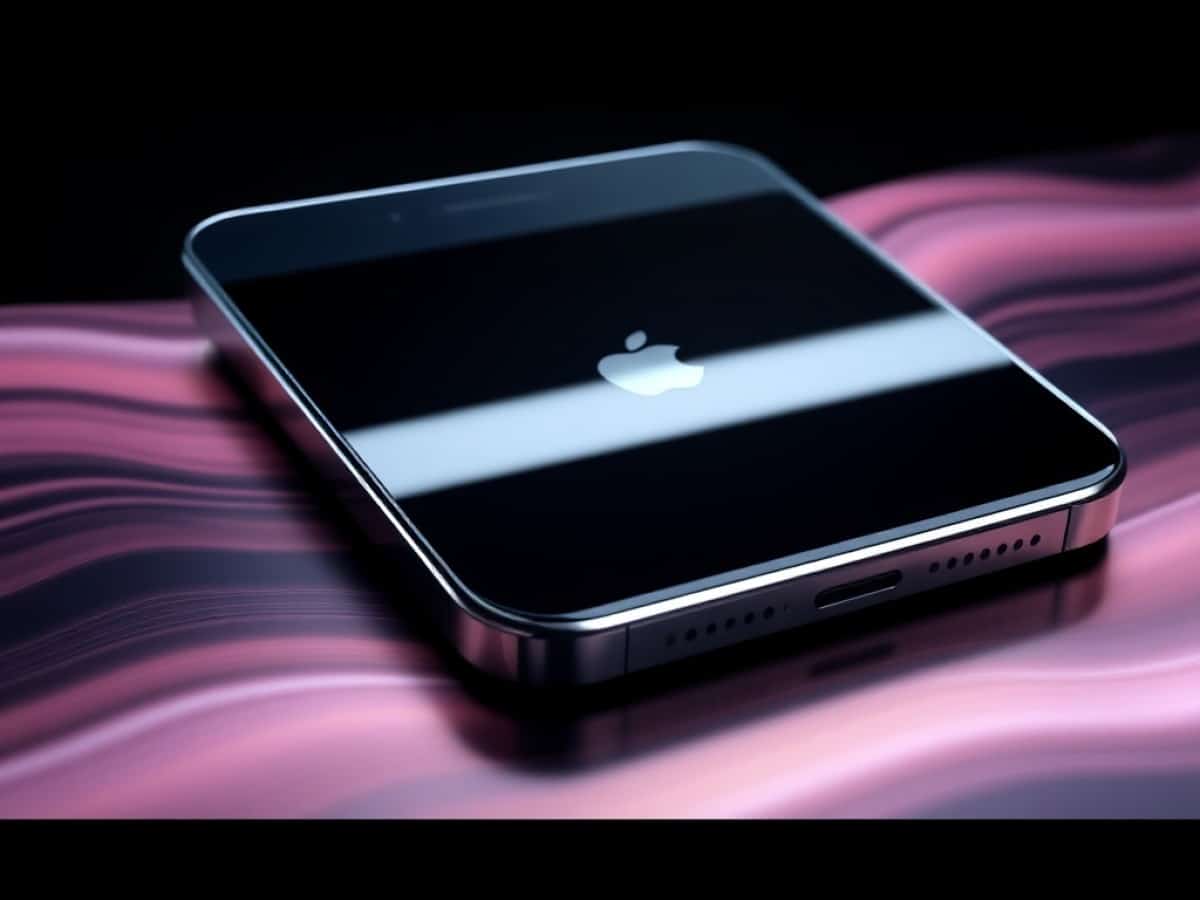
Two years following the introduction of its glass-inspired interface on iOS 26, Apple is reportedly planning a physical application for the screen of its 20th-anniversary iPhone, potentially named the Liquid Glass Display, according to the leaker Ice Universe. It was already known that Apple is working on a display that curves on all four sides. Ice Universe suggests that the curvature might be extremely subtle. “The visual impact would likely stem from a sophisticated blend of optical refraction, light-guiding structures, and cleverly orchestrated optical illusions. The ultimate effect could be a screen where the bezel almost completely vanishes, while peripheral vision remains natural and seamless.”
The extent to which this rumor from Ice Universe is speculative is unknown, but the source has a history of reliable information, and this explanation seems entirely plausible. Contrary to the image shown above, the webcam might be completely hidden beneath the pixels of the OLED panel. By slightly manipulating the edges with glass reflections, Apple could achieve its longstanding goal of creating an iPhone that is truly “all screen.” Expected in September 2027, this iPhone would likely be a premium device, possibly exceeding the iPhone 19 Pro in luxury.
Similar Posts
- iPhone’s 20th Anniversary Screen Gets Major Upgrade in 2028: See What’s New!
- Does Liquid Glass Affect Your iPhone’s Battery Life? Find Out Now!
- iPhone, Mac, and iPad Users Win: Liquid Glass Now Tolerable With New Feature!
- iPhone 17, Air, and 17 Pro Repair Costs Unveiled: See How Much You’ll Pay!
- iPhone 17 Pro Ditches Titanium: What’s Behind Apple’s Surprising Decision?

Ethan Rivers focuses on Android smartphones, emerging mobile platforms, and operating systems. With a critical yet fair perspective, he evaluates devices on performance, design, and ecosystem compatibility.