
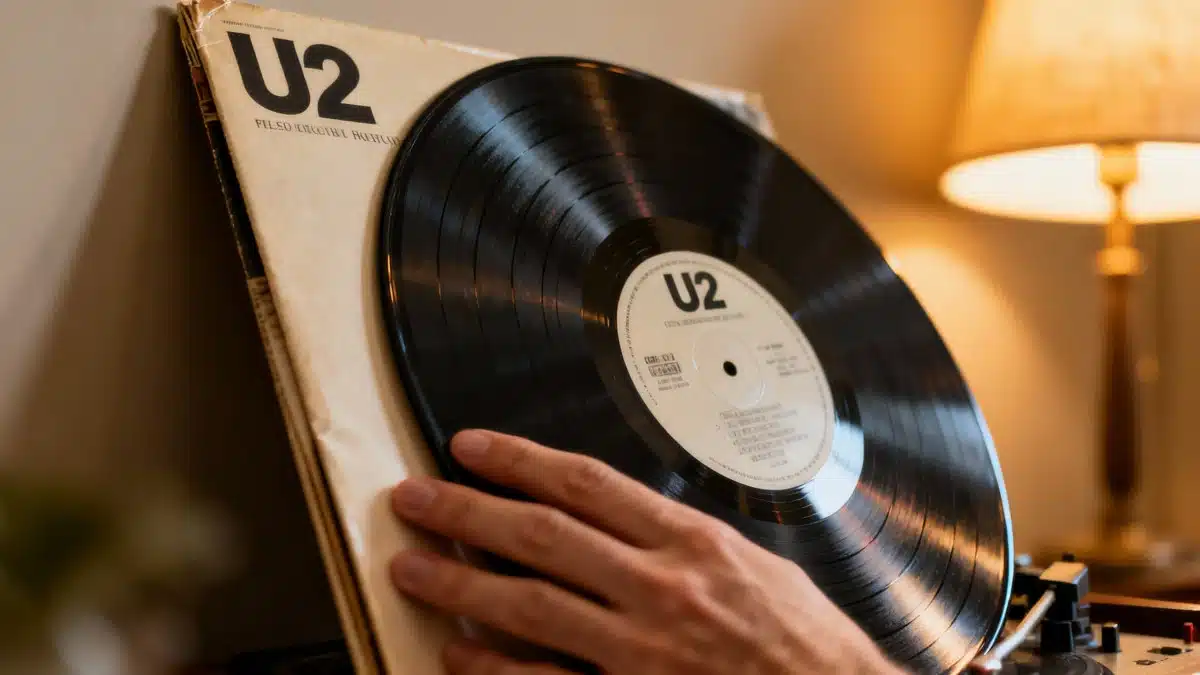
In the annals of music and technology, there are legends, there are myths, and then there’s the story of U2 and Apple—a tale of bold ideas, tough negotiations, and the haunting echo of what might have been. How did one of rock’s most celebrated bands miss out on millions in Apple stock, and what did they learn while helping change the face of digital music?
Scientists confirm: This is the most effective way to get your cat’s attention, according to new research
Elderly Couple Refuses Reserved Seats—Viral Train Standoff Sparks Fiery Debate on Courtesy
Setting the Stage: When U2 Met Apple
Let’s rewind to 2004. U2 was at the height of its powers—not just on the charts, but in standing against commercial sponsorships. Yet, as Apple’s iPod was revolutionizing the way people listened to music, even Bono and his mates felt the pull of that glossy future. Apple’s cutting-edge advertising campaigns had caught the band’s eye, and being a part of the iPod wave seemed like just the ticket to staying relevant in a rapidly shifting world.
But U2 didn’t want a standard endorsement deal. Far from it. The band asked Apple for payment in shares, not cash—envisioning a piece of Apple’s tomorrow, not just a paycheck for today. At the time, Apple was climbing its way up in the tech world, with shares hovering at just $6 each. For U2, it looked like a golden opportunity, a savvy play for the long run.
Enter Steve Jobs. The Apple maestro loved a good deal—but giving away a slice of his company? Jobs quickly shut that down. “It’s out of the question,” he famously said, drawing a very firm line. But Jobs knew this band wasn’t about to walk away. Instead, he made a counteroffer: U2 would work for free—and work wonders in collaborating on a limited edition iPod.
Bono’s Bittersweet iPod Ride
So there it was: a black iPod with a red wheel, designed in tandem with the band. Wildly different from the standard white models of the era, the U2 iPod instantly became a collector’s item, drawing the eyes (and wallets) of fans everywhere. More importantly, it sent Apple’s brand visibility through the roof.
The partnership didn’t stop there. U2 released the single “Vertigo” exclusively on iTunes and—pioneers that they were—made their back catalog available digitally for the first time. For Apple, this was a marketing masterstroke. For U2? Let’s just say, the band traded a possible fortune for widespread exposure.
- Special edition iPod: a design hit turned collector’s favorite.
- “Vertigo” exclusive: driving fans to the new frontier of digital downloads.
- U2’s entire back catalog: music history meeting the tech revolution.
But while Apple’s fortunes soared, U2 had to watch from the sidelines as the company’s stock—remember those $6 shares?—soared to more than $200 each by 2025. That’s the kind of jump that keeps accountants (and probably some Irish rockers) up at night. Bono would later admit with a touch of rue, “Apple was on its way to the stars, and we had the chance to ride along, but looking back, we should’ve negotiated better.”
Rough Edges: Songs of Innocence and Other Lessons
Yet, all was not lost. This collaboration thrust U2 right into the center of digital music innovation, opening up new audiences and cementing their own spot in the tech timeline. The lesson, as Bono sees it now? When the stakes are high, make sure you get what you truly deserve.
The rollercoaster didn’t end there. In 2014, Apple famously dropped U2’s new album Songs of Innocence into every iTunes account, whether people had asked for it or not. While intended as a generous gift, it quickly became infamous for all the wrong reasons. Users complained about the uninvited album hogging their digital shelf space, prompting an apology from Bono himself: “At the time, it seemed like a great idea, but clearly, the public didn’t feel the same way.”
Why You Should Never Reheat These Foods in the Microwave – The Hidden Dangers Experts Warn About
I tried the top 5 guard dogs—here’s what makes these breeds the ultimate protectors
2025 and Full Circle: New Frontiers (with Fewer Regrets?)
Time has done nothing to dim the public’s fascination with the U2-Apple dynamic. In 2025, the band’s connection to the tech world deepened again with the exclusive release of Bono: Stories of Surrender on Apple TV+, based on the singer’s memoir. And because Apple never does anything halfway, the film arrived in immersive 8K, letting Apple Vision Pro users sit practically face-to-face with Bono. From special iPods to digital documentaries, the collaboration’s impact just keeps reverberating.
So what have we learned from all these twists, turns, and tech-savvy tunes?
- Sometimes, you trade cash for exposure—and the numbers haunt you later.
- The best partnerships require strategic thinking, luck, and a touch of humility.
- You don’t have to be part of every innovation, but being adaptable is key.
Bono said it best: “Apple was heading straight for infinity, and we were lucky to ride along on their journey.” The story of U2 and Apple is a reminder that even legends can miss a trick—and still make history together.
Stay curious, stay ahead—because tomorrow’s must-have device (or band) might be negotiating terms as we speak. Want more on the future where music and tech collide? Keep an eye on Glass Almanac for the latest on all things revolutionary, musical, and a little bit magical.
Similar Posts
- Tim Cook Surpasses Steve Jobs in Tenure as Apple CEO: How Has Apple Changed?
- Apple Shuts Down Free Music Offer Again: Is This the End of No-Cost Tunes?
- “If AI Can Replace You, Was It Ever a ‘Real Job’?” asks tech leader as new era looms
- Apple Turns 50: Celebrate Half a Century of Innovation with Us!
- Podcasts Turn 20: How Apple Celebrates a Revolution It Never Anticipated

Jordan Park writes in-depth reviews and editorial opinion pieces for Touch Reviews. With a background in UI/UX design, Jordan offers a unique perspective on device usability and user experience across smartphones, tablets, and mobile software.