
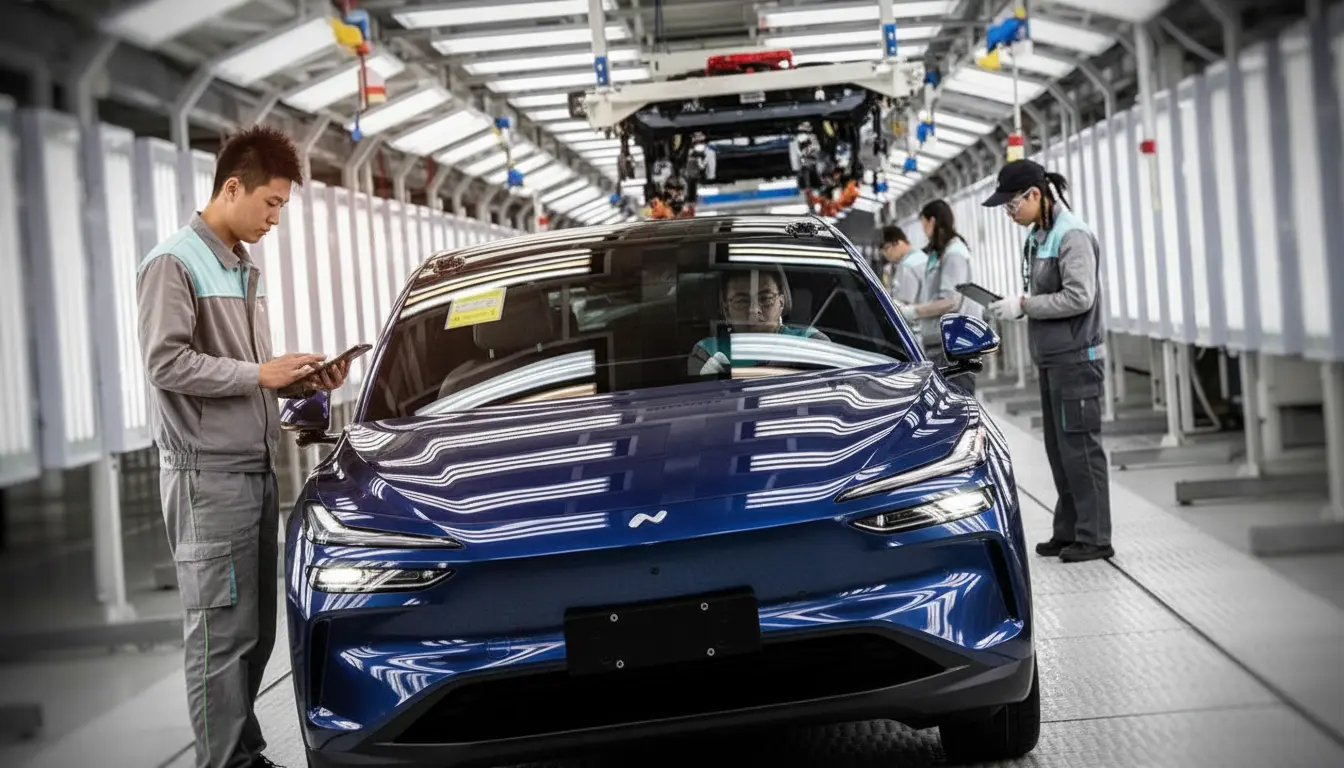
China is calling time on business as usual in its car industry. Starting in 2026, the rules of the road for Chinese electric vehicle exports will change dramatically, as the government aims for only top-quality cars to cross its borders. If you thought exporting an EV was like a ride in the park, think again.
Scientists confirm: This is the most effective way to get your cat’s attention, according to new research
Elderly Couple Refuses Reserved Seats—Viral Train Standoff Sparks Fiery Debate on Courtesy
Why China is Raising the Bar for Its Electric Car Exports
Beijing has decided to shake things up after its electric vehicles suffered a blow to their reputation abroad. Too many cars were being sold overseas without the ability to offer after-sales support or spare parts. The result? A not-so-shiny image for “Made in China” autos, with foreign buyers feeling stranded and unimpressed.
The governance response is bold. According to a Reuters note, the Chinese Ministry of Commerce will enforce stricter export regulations starting January 1, 2026. The main objective is to put a stop to unfair competition and to restore faith in Chinese carmakers internationally.
In plain terms, this means that only official carmakers and companies properly authorized by brands will get the coveted export licenses. Gone will be the days when anyone could send vehicles out of China—especially those who bent the rules by classifying brand-new cars as “used” just to bypass red tape. The free-for-all is officially over!
How Will These New Export Rules Work?
Export licenses are already mandatory for thermal and hybrid models, and now electric cars will join the club. Under the new requirements, only recognized manufacturers and approved companies can apply. It’s a bureaucratic hurdle, but one that serves a purpose: ensuring that only legitimate players can sell Chinese cars abroad.
And why the tightening of the screws? Some clever, but unofficial, exporters discovered a loophole. They were sending off fresh-off-the-line electric cars masquerading as used vehicles, thus avoiding regulations. The massive issue: these cars landed in foreign markets with no after-sales services and zero access to spare parts. The result was a tidal wave of disappointed customers and a reputation that took a nosedive overseas.
China’s Quest for Trust: Learning from the International Giants
This isn’t just about rules and red tape. It’s about image. China wants its automotive brands to be trusted as much as the biggest international players. As Wu Songquan of the China Automotive Technology and Research Center was quoted by Reuters:
- “Just as major international brands have won the world’s trust thanks to their high quality, Chinese car manufacturers should establish standardized processes and ensure high-quality exports as part of their independent operations.”
It’s a call for all official exporters to step up their game. No more rushed, sub-par cars flooding foreign highways. The emphasis is firmly on reliability and service—two things that really matter when your car suddenly needs a new part or something breaks down far from home.
The Road Ahead: Quality Over Quantity
This reform is clear in its intent: force Chinese exporters to aim higher. Shoddy products that harm the brand’s image will not make the cut. Even as customs duties multiply around the world, Beijing is confident that the growth potential for cars labeled “Made in China” remains enormous… provided they bet on reliability.
Why You Should Never Reheat These Foods in the Microwave – The Hidden Dangers Experts Warn About
I tried the top 5 guard dogs—here’s what makes these breeds the ultimate protectors
- End of “just get it out the door” mentality
- Global buyers to expect the same level of assurance as from top global brands
- Growth, but driven by trust and quality—not just price
So, if you’re shopping for an electric car in 2026 and beyond, don’t be surprised if Chinese brands start feeling every bit as dependable as the old-school industry giants. The wild west of Chinese EV exports? That era is closing. In its place, a new chapter: only the best leave the garage.
In conclusion: the lesson from Beijing is simple—quality lasts, shortcuts don’t. Let’s see if the world is ready to give China’s next-gen cars a fresh look.
Similar Posts
- China cracks down: Only top-quality cars allowed for export as strict new rules take effect
- China cracks down: From 2026, only top-quality cars with guaranteed spare parts allowed for export
- Norway breaks record as electric cars reach 98% of new sales—even in -40°C winters! How did they pull it off?
- James Kynge : “If it want to, China could impact American and Western lifestyles like we never seen before”
- U.S.-China Landmark Deal: A New Chapter for TikTok’s Future Unfolds

Jordan Park writes in-depth reviews and editorial opinion pieces for Touch Reviews. With a background in UI/UX design, Jordan offers a unique perspective on device usability and user experience across smartphones, tablets, and mobile software.