

Opening a document in Google Docs on a phone, retrieving a photo stored in the cloud or viewing a shared file are everyday activities made possible by data centers. As these facilities become increasingly important, Mexican operator KIO Data Centers expects to finish 2026 with more than 40 megawatts (MW) of capacity. That would be more than twice the 18 MW it developed in its first 22 years of operation. The company aims to keep growing until it reaches between 80 and 100 MW in a later phase, but securing enough electricity remains its biggest hurdle.
Scientists confirm: This is the most effective way to get your cat’s attention, according to new research
Elderly Couple Refuses Reserved Seats—Viral Train Standoff Sparks Fiery Debate on Courtesy
Octavio Camarena Villaseñor, chief executive of KIO Data Centers, says the company has invested in ensuring a reliable power supply for its facilities, working on transmission lines and substations in coordination with government authorities.
KIO Data Centers told Expansión that, since 2022, it has allocated more than $900 million to projects in Mexico and other Latin American markets. During 2026, investment in developments across the region exceeded $200 million. The company is also assessing QRO3, a project in Querétaro that could reach 100 MW of capacity by 2030 and require as much as $1.3 billion.
Not every project seeking to locate in Mexico, however, can be assured of access to that level of electricity. Data center expansion depends both on having sufficient power available and on having the grid infrastructure needed to deliver it to facilities.
Adriana Rivera, executive director of the Mexican Association of Data Centers (MEXDC), told this publication that Mexico currently has about 279 MW of data center capacity in operation. Including projects under construction and those nearing launch, installed capacity could rise to 484 MW by the end of 2026.
From saving photos and editing documents in the cloud to making digital payments, data centers support services people use every day. Their servers need electricity, cooling and connectivity to function.
The power grid is expanding more slowly than consumption
From 2018 to 2024, the National Transmission Network grew in length by 3.8%, while net electricity consumption increased by 15%, according to the Energy Monitor published by the Mexican Institute for Competitiveness (Imco).
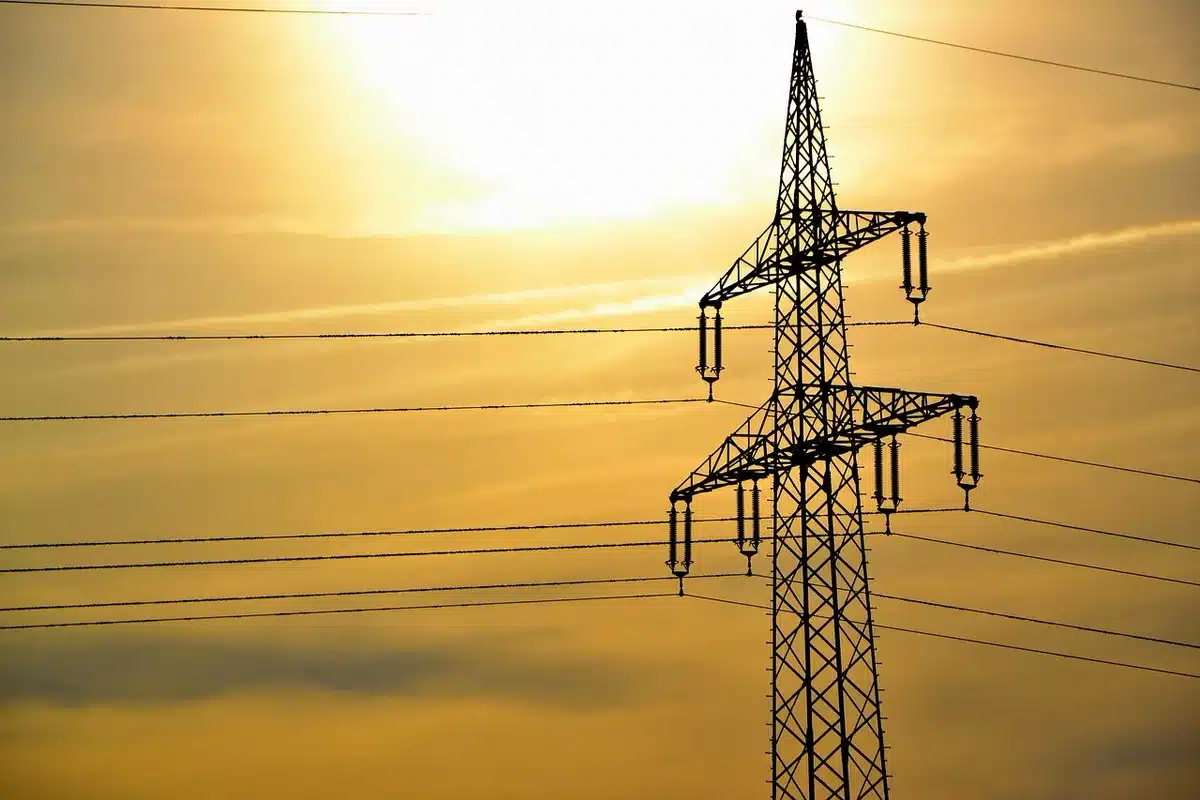
The figures indicate that electricity infrastructure has grown at a slower pace than demand. Isaac Cruz, an Imco researcher, told Expansión that Mexico faces two related challenges.
The first is expanding electricity generation; the second is building out transmission and distribution networks to move that power to the places where it is needed.
Why You Should Never Reheat These Foods in the Microwave – The Hidden Dangers Experts Warn About
I tried the top 5 guard dogs—here’s what makes these breeds the ultimate protectors
The latter is particularly challenging because, unlike generation, electricity transmission and distribution are activities reserved for the state.
The issue is also apparent in budget execution. In 2024, 2.9 billion pesos were spent on electricity transmission, compared with the 9.6 billion pesos originally authorized, or 30.6% of the allocated funds, according to Imco.
To meet future demand, the Federal Electricity Commission’s (CFE) 2026–2030 Development Program includes 175 transmission projects, with planned investment of 131.889 billion pesos and an additional 7,545 kilometers of power lines. The program also includes distribution works, such as new substations and expansions to existing facilities.
On the generation side, the Electricity Sector Development Plan (PLADESE) calls for adding 28,004 MW of capacity by 2030 through state-run and private projects. Cruz cautions, however, that expansion targets must result in completed infrastructure if they are to meet the needs of new industries.
“Planning something is one thing; carrying it out is another.”
— Isaac Cruz, Imco researcher
Rivera says that building the electricity infrastructure required to serve new projects can take about four years in Mexico. That timeline means data center developers must assess their power needs at the earliest planning stages—even before construction of their facilities begins.
Who pays to connect data centers?
Building a data center involves more than completing the facility itself. Operators also need to make sure the electricity infrastructure can supply their equipment, which relies on an uninterrupted power source to keep digital services running.

Cruz explains that when a facility requires infrastructure works exclusively for its own use, the operator may cover a significant share of the costs through arrangements with the CFE.
If transmission lines or substations will also serve nearby communities and other users, the projects have a public benefit that may support the state-owned utility’s involvement.
Although operators and other private investors contribute funding for electricity infrastructure, MEXDC says how responsibilities are divided with the CFE depends on the specific project and the regulations that apply.
Power shortages for data centers are a global issue
Rising electricity demand is not unique to Mexico. The International Energy Agency (IEA) estimates that global data center electricity consumption could approach 950 terawatt-hours (TWh) by 2030, driven by artificial intelligence and the continued growth of digital services.
The United States accounts for the largest share of this consumption: 45% of the worldwide total in 2024. China followed with 25%, while Europe accounted for 15%. The IEA also estimates that data centers could drive close to half of the growth in U.S. electricity demand by 2030.
The agency warns that building new transmission lines can take between four and eight years in advanced economies. At the same time, wait times for essential equipment, including transformers and cables, have doubled over the past three years. These bottlenecks could delay connections for new data centers, even after funding for their construction has been secured.
For Mexico, the risks of inadequate infrastructure extend beyond the technology industry. Cruz says electricity constraints could also affect advanced manufacturing projects and other businesses that depend on a dependable supply to operate.
“In areas where the grid is constrained, the consequences may include delayed investment and service interruptions,” the researcher says.
A lack of transmission infrastructure may also encourage companies to use local diesel- or gas-fired generation to supply new electricity loads quickly. That creates an additional complication for efforts to meet clean-energy targets.
Camarena says Mexico needs more than available electricity to support the sector’s growth. The country also needs to speed up permitting, develop specialized talent and attract investment.
For KIO Data Centers, planning ahead for grid connections has been part of its expansion strategy. The broader challenge for Mexico will be ensuring that announced investments in electricity infrastructure are completed on schedule to serve companies seeking to establish operations in the country.
Similar Posts
- Data Center Opposition Rises with US Democrats: New Battleground for Tech Expansion
- Data Centers: 100,000+ High-Paying Jobs on the Way
- Mexico Owns Just 3% of the Fiber Optic Infrastructure Compared to the US: Digital Gap Highlighted
- Apple Silicon Boost: TSMC to Invest an Additional $100 Billion in U.S. Chip Production
- iPhone 17 and 17 Pro Exceed Expectations: Sales Surge Surprisingly High

Lucas Monroe tracks the latest trends in mobile and 5G innovation. His work spans hardware analysis, telecom breakthroughs, and ecosystem development in next-gen connectivity.