
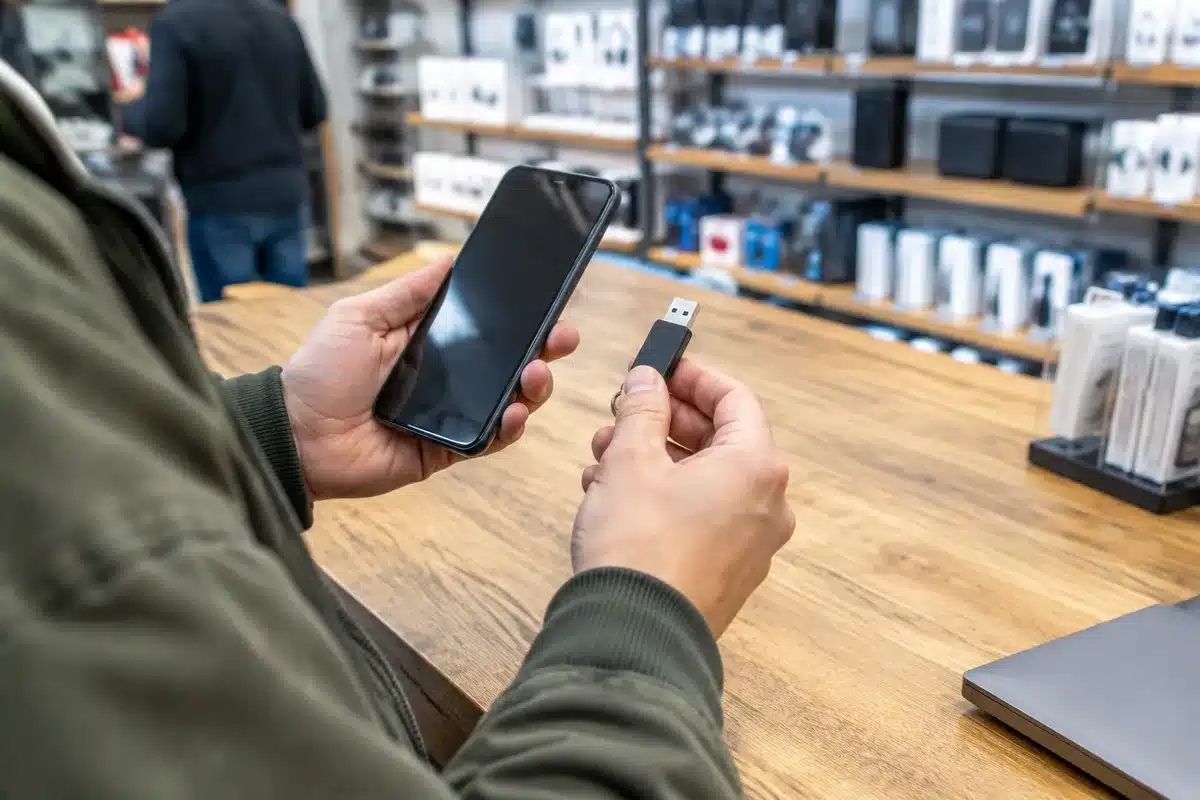
The Mexican government’s plan to introduce a 2% levy on the sale of mobile phones, computers, screens and even USB flash drives has reopened a heated discussion about taxation and copyright in the country. The Culture Ministry frames the charge as a “compensatory payment for private copying,” intended to compensate creators for alleged unauthorized reproductions of their works. Critics, however, describe the measure as a de facto new special tax on production and services (IEPS) that effectively penalizes the purchase of technology.
Scientists confirm: This is the most effective way to get your cat’s attention, according to new research
Elderly Couple Refuses Reserved Seats—Viral Train Standoff Sparks Fiery Debate on Courtesy
Radamés Camargo, an independent analyst specializing in audiovisual content markets, argues that the proposal lacks a sound technical and economic basis in today’s digital environment. He considers it outdated, since it appears to resurrect a tax concept conceived more than twenty years ago, back when music and video consumption revolved mainly around physical media and local file storage.
From Camargo’s point of view, the initiative creates a form of double taxation for users of digital services. Consumers already pay Value Added Tax (VAT) on each subscription to streaming and entertainment platforms, and they cover import duties when acquiring electronic devices through formal channels. Tacking an additional 2% fee onto the price of hardware would therefore amount to charging users a second time for access to content. He contends this surcharge is primarily revenue-driven, raising the cost of devices without delivering a clear protection or direct benefit to authors and rightsholders.
Camargo highlights the similarity to the IEPS, noting that such special excise taxes are typically applied to specific goods like alcoholic beverages or tobacco. Applying the same rationale to gadgets, he says, unduly penalizes access to digital infrastructure rather than targeting harmful products. In his words, if consumers already pay VAT on subscriptions and then face this extra charge on devices, they are effectively being taxed twice for accessing content.
The “digital cut” is an outdated levy
The draft comes from the Culture Ministry, led by Claudia Curiel de Icaza, in coordination with the National Copyright Institute (Indautor), directed by Karina Luján, and the Society of Authors and Composers of Mexico, headed by Roberto Cantoral. All of those organizations place the notion of private copying at the center of the proposal. It is important to stress that this measure has not been approved and is not currently in force.
Mauricio Jalife Daher, president of the Mexican Association for the Protection of Intellectual Property (AMPPI), defended the idea in an August 26 column for El Financiero. He argued the proposal is justified on the grounds that people routinely access copyrighted material on devices, and it is reasonable that authors and the companies that make works available receive payment for that use. Jalife emphasized that the funds collected — which he insisted should not be labeled a tax — would be handed over to Collective Management Organizations, which would allocate the money to rights-holders proportionally based on their popularity. He characterized the right as a provision present in law but largely inactive for 30 years, now resurfacing as a mechanism to deliver part of the value creators contribute to society.
Camargo responds that the legal concept originates from an era when users burned songs to CDs, transferred files to MP3 players, or stored films on USB sticks for personal use. Back then, local storage housed private digital collections without a constant internet connection. Today, however, streaming dominates music, film, television series and live events. Consumers typically pay recurring subscriptions to access vast cloud-based catalogs, making the need to download and save files on a phone’s or computer’s internal memory largely obsolete.
For that reason, Camargo stresses, the Culture Ministry is attempting to regulate a behavior that almost no longer exists in everyday practice. He says the regulation was devised for a different technological reality with different user habits: “The private copying phenomenon has been largely eradicated by streaming,” he explains. Bringing back a law tailored to that older model seems unnecessary and anachronistic because it lacks a technical justification in the current market.
It is worth recalling that Congress rejected a similar proposal in 2021, when lawmakers deemed the levy inappropriate after pushback from industry groups and concerns that it would raise the cost of accessing technology.
Why You Should Never Reheat These Foods in the Microwave – The Hidden Dangers Experts Warn About
I tried the top 5 guard dogs—here’s what makes these breeds the ultimate protectors

Which devices would face the “digital cut”?
According to the project’s description, the measure would target technological devices capable of reproducing, recording or storing copyrighted works. Examples listed include:
– Smartphones
– Tablets
– Desktop computers and laptops
– USB flash drives
– SD memory cards
– External hard drives
– Audio or video players
– Printers
– Photocopiers and multifunction office machines
Opponents argue that taxing such a broad array of equipment would disproportionately increase the price of essential digital tools, creating an extra financial barrier to accessing cultural content and digital services, rather than addressing the realities of how people consume media today.
Similar Posts
- Mexico Proposes 2% Tax on Phones, Screens and USBs: What It Means for You
- Social Media Age Limit: EU Lawmakers Push to Raise Digital Majority to 16 Years
- Emmanuel Macron Plans to Ban Social Media for Under 16s: Sparks Major Debate
- TelevisaUnivision Hits Disney+: Major Broadcast Expansion Ahead!
- TikTok Faces Legal Heat: SACD Accuses Platform of Unauthorized Content Sharing

Lucas Monroe tracks the latest trends in mobile and 5G innovation. His work spans hardware analysis, telecom breakthroughs, and ecosystem development in next-gen connectivity.