
Scientists confirm: This is the most effective way to get your cat’s attention, according to new research
Elderly Couple Refuses Reserved Seats—Viral Train Standoff Sparks Fiery Debate on Courtesy
Since the launch of the Nintendo Switch 2, accessory maker Turtle Beach has emerged as a notable contender against Nintendo’s own Pro Controller. After reviewing the Afterglow Wave a few weeks ago, we recently spent time with the Turtle Beach Rematch, this time in a more understated finish.
We used this model for several weeks to form an opinion. You’ll notice this review is somewhat more concise — that’s because the Rematch shares many similarities with the Afterglow. Still, there are a few differences we’ll point out below.
Technical specifications
| Model | Turtle Beach Rematch Wireless |
|---|---|
| Dimensions | 160 mm x 135 mm x 65 mm |
| OS compatibility | Nintendo Switch, Nintendo Switch 2, Nintendo Switch Lite, Nintendo Switch OLED |
| Headset jack | Unknown |
| Connector type | USB Type-C |
| Product page |
Design: understated and practical
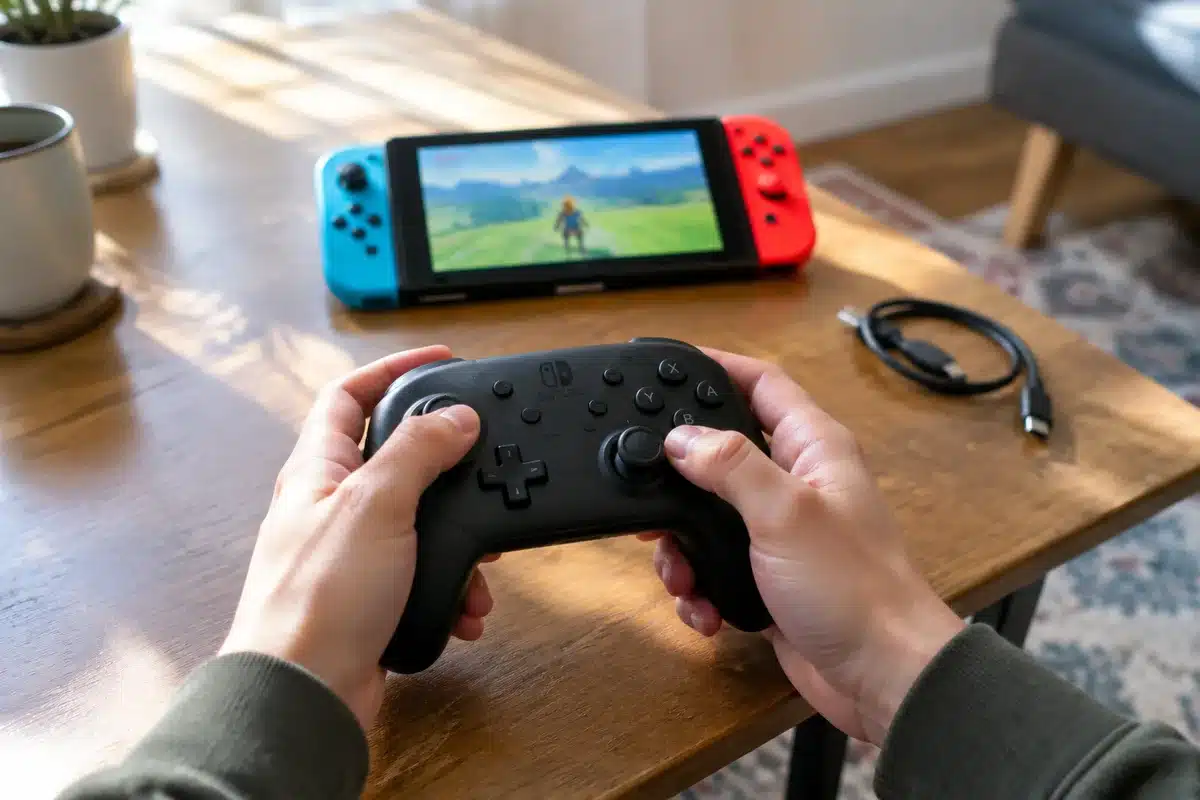
The Rematch we tested comes in a full-black finish. That sober look may not appeal to everyone, although Turtle Beach does offer more colorful variants. For our part, the matte black suits the controller and keeps it unobtrusive.
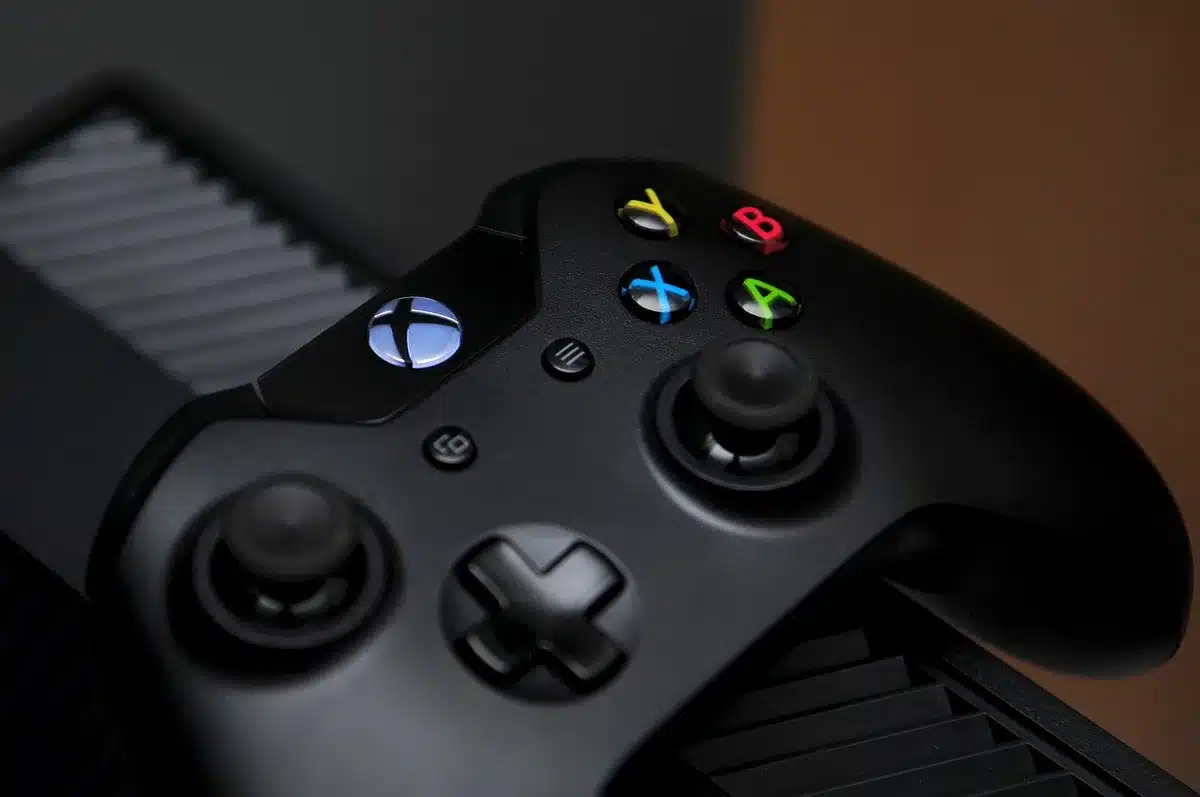
The material choices — starting with the plastics — reflect the brand’s pragmatic approach. The front houses a smooth, pleasant plastic that gives the controller a clean appearance, while the rear uses a slightly textured plastic to improve grip during longer play sessions.
Weighing in at 360 grams, the Rematch is light enough to feel comfortable during extended play. Nothing groundbreaking here, but once in hand it feels familiar rather than awkward.
Ergonomics: what you’d expect
Don’t expect major innovations if you buy this controller for the Switch 2. The Rematch keeps the same button layout as Nintendo’s Pro Controller and layers its own functions on top in Turtle Beach’s own way.
One thoughtful detail: Turtle Beach mirrors the placement of the + and − buttons with the Capture and Home buttons respectively, and places the Game Chat button in the center. Like the Afterglow, the Rematch cannot power on the Nintendo Switch 2 by pressing any of its buttons.
The controller uses TMR analog sticks, which deliver improved directional precision and help guard against stick drift.
Customization
The Rematch lets you assign functions to the rear shoulder buttons for tailored control schemes.

How to program the rear buttons:
- Hold down the action/program button.
- Press the rear button you wish to configure.
- Press any button you want to map to that rear button.
- The LED indicator will flash three times to confirm the assignment.
- To clear a mapping, hold the action/program button and press the rear button twice.
In play: a dependable performer
In use, the Rematch is a reliable companion across different genres. During our time with it we mainly used the controller on Pokémon Pokopia, Pokémon Unite and Hollow Knight: Silksong — a varied selection that tests controllers in different scenarios.
As with the Afterglow, one notable omission is the lack of built-in vibration. That’s welcome for players who prefer quieter, steadier gameplay — for example when exploring in Pokopia — but those who rely on haptics for immersion in action games may miss it. We don’t see the absence of rumble as a deal-breaker, however.
Overall the gameplay feel is very close to what the Afterglow delivers: the button presses and triggers are measured and pleasant. Misinputs are rare even under pressure. Motion controls help optimize jumps in titles like Mario Kart World, while the TMR sticks deliver the precision needed for difficult platforming sequences in Silksong.
Battery life
Across our repeated tests, the Rematch lasted roughly thirty hours of play on a single charge. Recharging is done through the USB-C port at the top of the controller, either via a wall adapter or by connecting it to the Switch 2 itself. Expect about an hour and a half to reach a full charge.
Turtle Beach advertises up to 40 hours per charge. The discrepancy with our measured ~30 hours is mostly down to usage conditions, but in both scenarios the endurance is ample enough to get through many sessions before you need to recharge.
Price and competition
The wireless Turtle Beach Rematch for Switch 2 starts at €64.99 in black. There are also themed colorways inspired by Mario Kart World, Rosalina and Animal Crossing. It sits in Turtle Beach’s lineup as an alternative to the Afterglow; a wired variant of the Rematch is available from €29.99. By comparison, Nintendo’s official Switch 2 Pro Controller carries a suggested retail price of €89.99.
at the best price
-
Boulanger
38,99 €
-
Fnac
47,89 €
-
Cdiscount
47,99 €
-
Amazon
64,99 €
-
JoyBuy
47,99 €
Some links in this article are affiliate links.
We explain everything here.
Similar Posts
- Turtle Beach Afterglow Wave Review: Best Switch 2 Controller Alternative?
- Former PlayStation boss acknowledges Nintendo’s superiority on this specific point
- “The Shelves Are Emptying At Breakneck Speed”: The Nintendo Switch 2 Is Currently Being Sold Off With Mario Kart, And The Boxes Are Flying Off The Shelves
- Switching Gears: My One-Week Apple Arcade Gaming Experience After Ditching Nintendo
- Nintendo Switch Becomes iPhone? Hacker Achieves the Unthinkable!

Maya Singh is a senior editor covering tablets and hybrid devices. Her work explores how these tools reshape digital productivity and learning. She also contributes to feature editorials on emerging tech.