
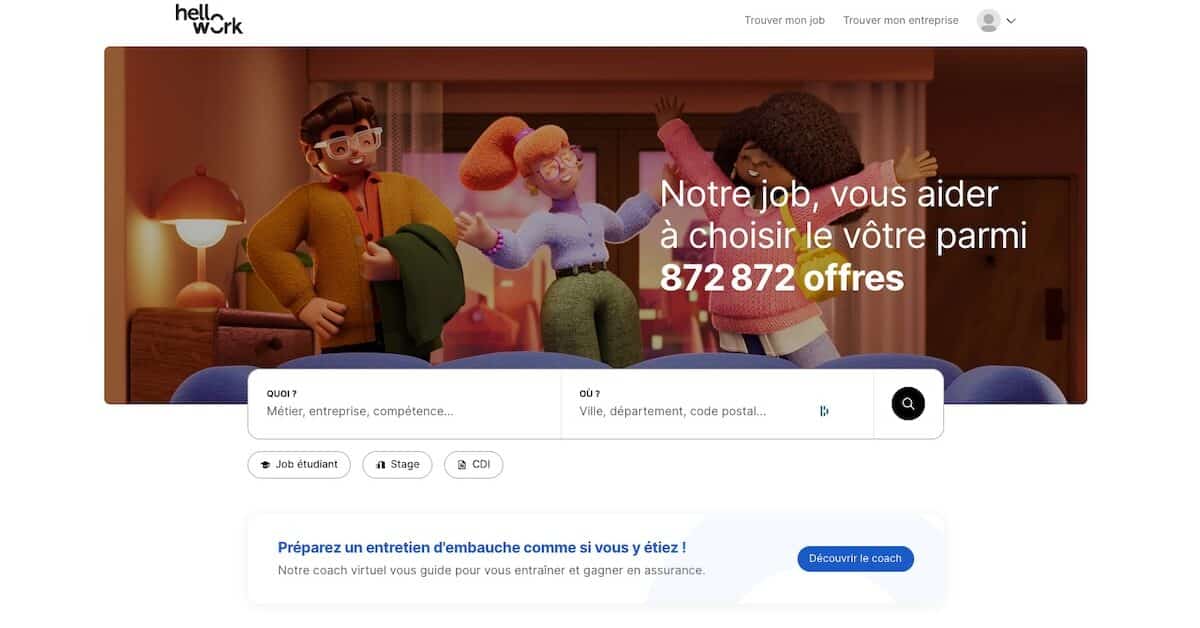
In 2025, Hellowork hosted its inaugural internal hackathon, breaking from tradition by giving teams complete freedom to innovate. One year later, the winning project was implemented, and the company is considering making this event a regular occurrence.
Scientists confirm: This is the most effective way to get your cat’s attention, according to new research
Elderly Couple Refuses Reserved Seats—Viral Train Standoff Sparks Fiery Debate on Courtesy
A Hackathon Concept Originating from MIT
The history of hackathons dates back to the 1960s when MIT students would engage in 24-hour coding marathons to push their creative and technical limits, though these events weren’t formally recognized or named at the time. The structured hackathon we know today, complete with rules, pitches, and prizes, only gained popularity in the 2010s, particularly within Silicon Valley’s tech giants. Mark Zuckerberg, for example, was known to host bi-monthly hackathons at Facebook, where major features like the ‘Like’ button and Timeline were conceived.
Rapid Adoption of Hackathons in France
By 2011, the United States had seen over 200 hackathons, and the format was beginning to spread globally. In France, companies such as Orange, Leboncoin, and SNCF had embraced the hackathon, adapting it to various internal and external innovation challenges. For instance, following the AI Summit in February 2025, Doctolib hosted a hackathon focused on sustainable AI futures, drawing over 130 participants.
Integrating Projects with Business Activities
Romain Fabiani, head of product software at Hellowork and a former employee of Leboncoin, brought the hackathon culture to Hellowork in January 2024. The first edition involved five teams from the product and tech departments, who were given 36 hours to develop projects related to the group’s ecosystem. This approach ensured that the projects remained relevant and prevented them from becoming vaporware—projects that are announced but never actually completed or released.
Stepping Out of the Comfort Zone
Introducing the hackathon concept internally wasn’t without challenges. Convincing employees to collaborate with unfamiliar colleagues and to pitch in front of peers and executives was daunting for many. However, setting strict rules and a clear timeframe helped streamline the process and fostered a productive environment despite the initial hesitations and occasional tensions among team members.
A Promising Start Leading to More
The first hackathon yielded several viable projects, including a chatbot named Cleo, designed to guide young people towards suitable careers and educational paths, and Voice Apply, which allowed job applications via voice message. The standout project was Look at my Ad, a tool that helps recruiters optimize job advertisements, which was successfully launched on Magnet by Hellowork in February. Building on this success, a second hackathon was organized in September with a tighter 24-hour schedule and even more participants, proving the value and potential of regular creative marathons within the company.
Similar Posts
- Revolutionary AI Video Creation: Safeguard Your Brand While Innovating!
- Unveiled: Gemini CLI’s Latest Updates – Genkit, Jules, & Gemini 3 Pro, Revolutionize Coding!
- CNC Unleashes €3 Million to Boost Creators on Digital Platforms: Here’s How It Changes the Game!
- Adobe Unleashes AI Creative Agent: Revolutionizing Photoshop, Premiere, Illustrator, InDesign!
- Apple TV Shakeup: International Content Chief Steps Down

Jordan Park writes in-depth reviews and editorial opinion pieces for Touch Reviews. With a background in UI/UX design, Jordan offers a unique perspective on device usability and user experience across smartphones, tablets, and mobile software.