
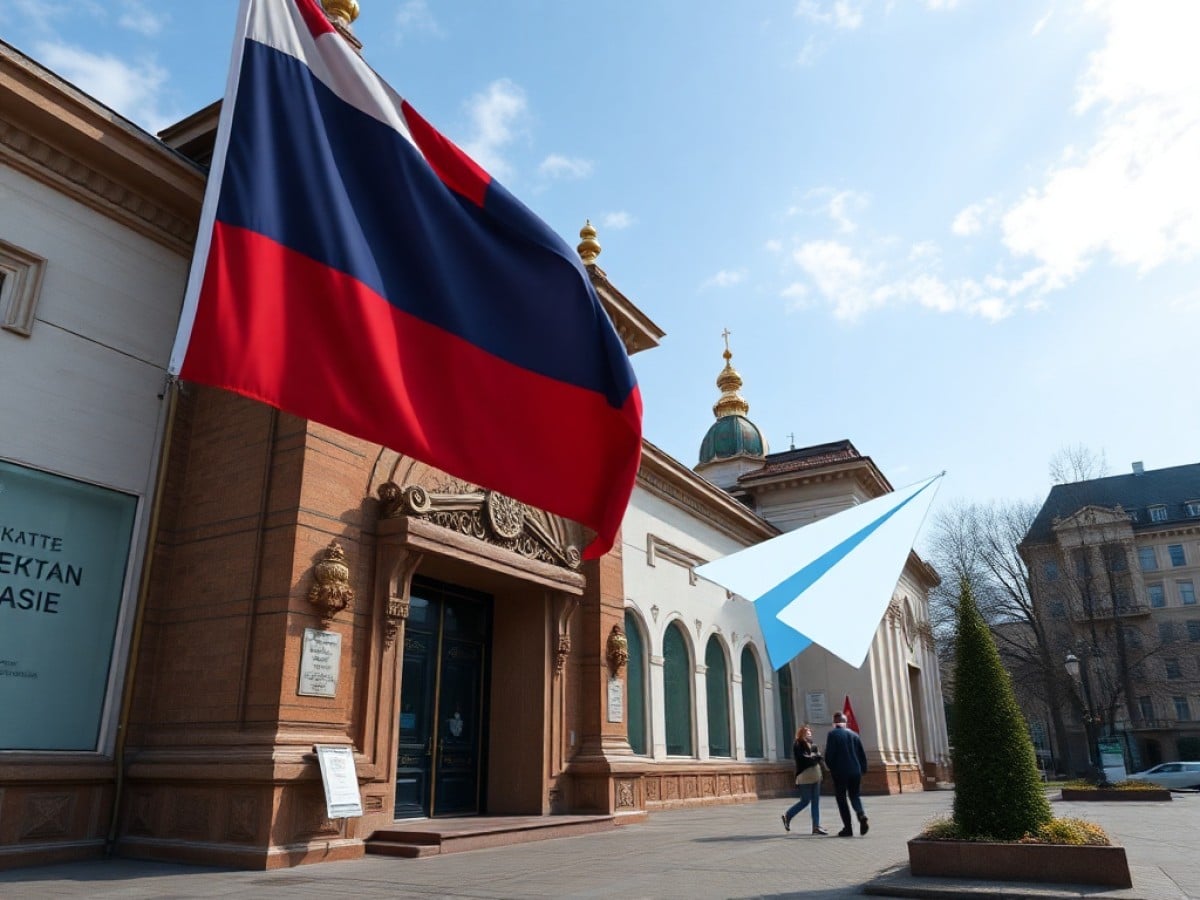
Russia Increases Pressure on Telegram, Prepares for Potential Block
The Russian government is escalating its efforts against the messaging app Telegram, gearing up for a potential blockade. This move comes as part of a broader clampdown on internet freedoms under the guise of national security.
Scientists confirm: This is the most effective way to get your cat’s attention, according to new research
Elderly Couple Refuses Reserved Seats—Viral Train Standoff Sparks Fiery Debate on Courtesy
Heightened Scrutiny and Legal Actions
Telegram, known for its encrypted messaging service, has been under intense scrutiny by Russian authorities who demand access to user messages, citing concerns over terrorism and criminal activities. The company’s refusal to comply with government demands for encryption keys has led to legal battles, with Russia’s telecommunications watchdog, Roskomnadzor, at the forefront of the fight to restrict the app’s operations within the country.
Implications of a Full Blockade
Should the government proceed with a full blockade of Telegram, it could have significant implications for both users and the state. For users, particularly those who rely on the platform for private and secure communication, the loss of access to Telegram would be a significant blow. Conversely, the government risks public backlash and criticism from international bodies concerned with digital rights and freedom of expression.
The Broader Context of Digital Control
This development is part of a larger pattern of digital control and surveillance by the Russian government. Over recent years, Russia has introduced more stringent internet laws that include requiring search engines to delete some search results, messaging services to share encryption keys with security services, and social networks to store user data on servers within the country.
The potential blocking of Telegram is a continuation of this trend, signaling a tightening grip on internet spaces and raising concerns about user privacy and freedom of speech in Russia. As the situation evolves, the implications for digital communication and civil liberties remain a pressing issue.
Similar Posts
- Telegram Founder Pavel Durov Targeted in Russian “Terrorism” Probe: Details Inside!
- Russia Bans WhatsApp Following Telegram: Tightening Digital Control
- UK Regulator Investigates Telegram: Concerns Over Child Protection Spark Action!
- Sensitive Documents, Controversial Methods: Meta Challenges EU Commission’s Investigation Practices
- Signal Skyrockets in Europe: Becomes the Top WhatsApp Alternative

Samantha Klein is a seasoned tech journalist with a sharp focus on Apple and mobile ecosystems. With over a decade of experience, she brings insightful commentary and deep technical understanding to the fast-evolving world of consumer technology.