
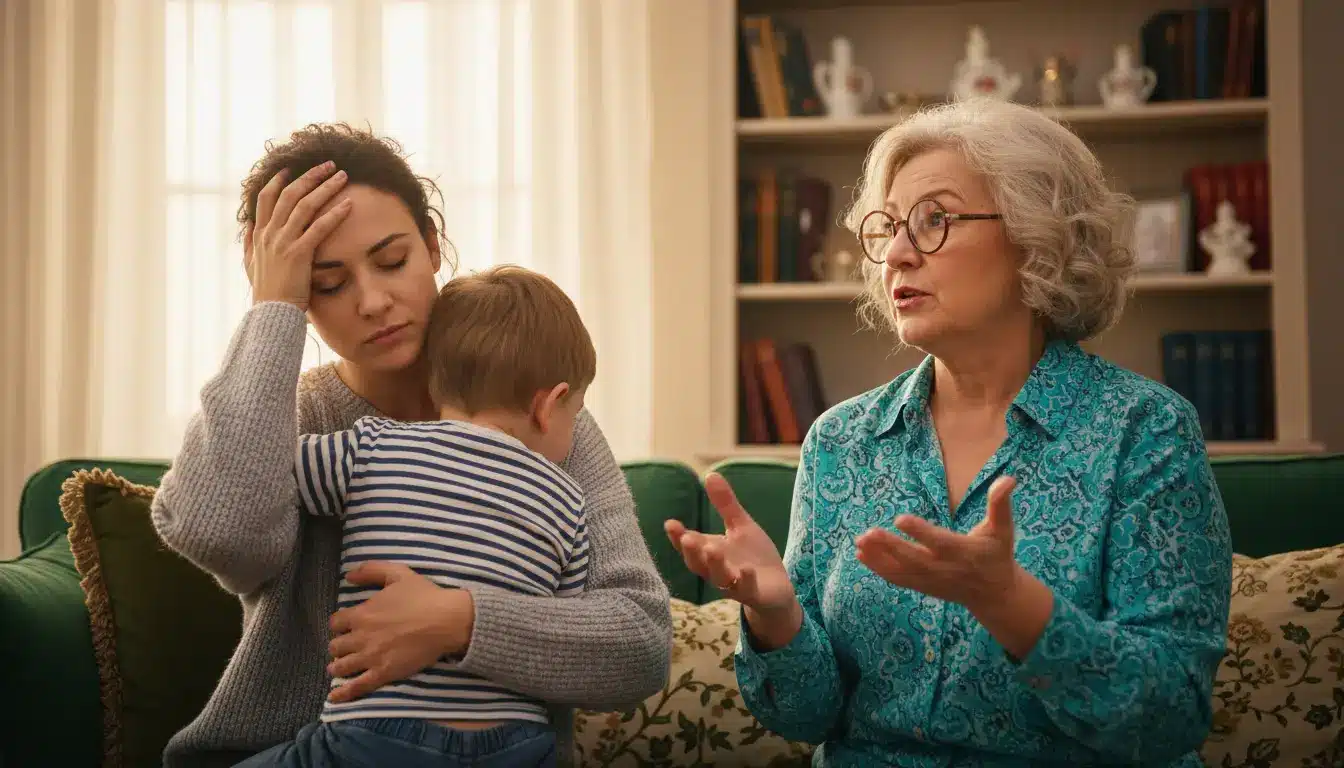
Once the silent, indispensable guardians of family life, grandparents are increasingly ditching their traditional reputation for endless babysitting. What’s triggered this revolution under grandma’s gray curls? The reality is far from trivial, and it just might say something new about family life today.
Scientists confirm: This is the most effective way to get your cat’s attention, according to new research
Elderly Couple Refuses Reserved Seats—Viral Train Standoff Sparks Fiery Debate on Courtesy
The Changing Face of Grandparenting
For decades, grandparents were the unsung heroes of family logistics. Sundays meant roast dinner at grandma’s, while school breaks were spent at grandpa’s—everyone seemed satisfied with this arrangement. But that idyllic picture is starting to fade. More and more seniors are now staking their claim to a life unburdened by the constant call for childcare.
Make no mistake, this isn’t a silent rebellion. It’s a profound mindset shift. Today’s retirees are full of energy and made it clear: they’ve given enough. To their own children, to their careers, to their domestic duties. Now, their best years are for themselves—and yes, sometimes that means a firm “no” to being the on-call babysitter.
“Not Your Babysitter”—Meet Isabelle
Take Isabelle, for example. A vibrant woman in her sixties, she greeted her grandson’s birth not as a summons to duty, but as a grand (pun intended) life event—without strings attached. “From the start, I told my daughter she shouldn’t count on me for help,” she admits. Sure, the conversation was a bit blunt, but for her it was a healthy boundary. Her daughter eventually adjusted, her son-in-law less so—perhaps because he himself was raised by his own grandparents. Hello, intergenerational clash!
Isabelle now lives at her own pace: cultural outings, lunches with friends, very occasional grandson sightings. Sometimes, when she sees other grandmas flashing grandchild photos like prized Oscars, she’ll feel a twinge: am I a bad grandmother? But that feeling is quickly swept away by her conviction that she’s allowed her own life too.
Sociology and the Rise of Grandparent Independence
What’s behind this generational pivot? Sociologist Gérard Neyrand points to longer life expectancies—nearly twenty years more in the twentieth century alone. That means grandparents now reach retirement in robust health, and the old image of the frail figure dozing in a rocking chair is out the window. Cue: hiking, painting workshops and yoga classes galore.
In Neyrand’s words: “Retirement is no longer a withdrawal, but a time for personal realization.” The idea of spending these golden years hunched over homework or changing nappies doesn’t exactly thrill. And honestly, can you really blame them? Every parent wishes for their child a life lived fully, not one on permanent babysitting standby.
Of course, this doesn’t mean all grandparents want to cut ties with their grandkids. Many absolutely love time together—sharing stories, passing on traditions, transmitting values. But—and here’s the rub—they want it on their terms. The real problem often lies at the border between helping and feeling obligated. Family love shouldn’t be a full-time contract, after all.
- Some grandparents, reflecting on their own mothers who often worked and raised children alone, understand the desire to enjoy life at their own pace.
- Others see a legitimate shift: children today, perhaps influenced by widespread laxity and a loss of social markers like respect, have become “unguardable,” creating serious generational tensions.
- Still, some joyfully balance babysitting and social life, but only when they want to—not as a duty.
- Some adult children worry that something precious is being lost when grandparents say no, viewing this as a symptom of growing family distance or even selfishness.
Navigating New Family Dynamics
All this doesn’t mean grandparents and parents can’t find common ground. Many overwhelmed parents see grandparent support as vital. The key? Calm dialogue, where everyone considers both their wishes and boundaries. It’s not about cutting ties, but about reshaping family roles with added flexibility and respect.
Why You Should Never Reheat These Foods in the Microwave – The Hidden Dangers Experts Warn About
I tried the top 5 guard dogs—here’s what makes these breeds the ultimate protectors
There are, of course, grandparents who suffer from being cut off entirely from their grandchildren—often due to conflict rather than choice. Despite leading full, rich lives, this exclusion remains a major source of pain. Solutions for these situations are harder to find and worth discussing openly.
The modern grandparent does exist, and they want freedom—simply because they wish for a vibrant, chosen third act in life, not one imposed by obligation. It isn’t selfishness; it’s a desire to live this new era fully.
A New Grandparent-Parent Pact?
If there’s one takeaway, it’s the importance of rethinking expectations. The curtain may be falling on the era of automatic grandparent babysitters, but new, more flexible—and sometimes more fulfilling—family arrangements can emerge. Whether you’re a parent, a grandparent, or a hopeful future one, open up the conversation: What does family support really mean today? Sometimes, the best way to pass on love is to do so with joy, not out of obligation.
Similar Posts
- Sharenting Alert: CNIL Warns of Hidden Online Dangers for Children
- Why This Mom’s Disney-Inspired Baby Name Sparked an Online Firestorm
- I tried the top 5 guard dogs—here’s what makes these breeds the ultimate protectors
- How I Found a Forgotten VHS That’s Now Worth Thousands—Could You Have One Too?
- YouTube Launches $20 Duo Premium Plan: Share with a Friend and Save!

Jordan Park writes in-depth reviews and editorial opinion pieces for Touch Reviews. With a background in UI/UX design, Jordan offers a unique perspective on device usability and user experience across smartphones, tablets, and mobile software.