
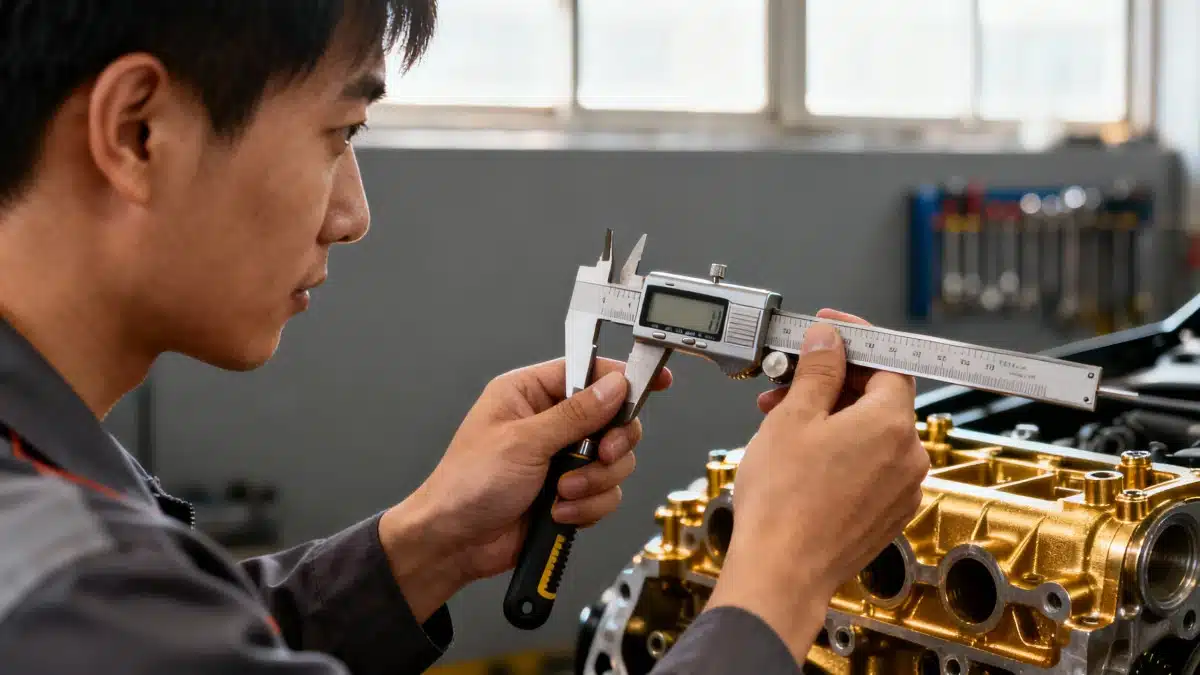
China is setting the bar higher for its own carmakers. From 2026, only the best of the best—armed with guarantees and reliable spare parts—will be allowed to show off their wheels beyond China’s borders. The reason? If you think it’s just a love of paperwork, think again.
Scientists confirm: This is the most effective way to get your cat’s attention, according to new research
Elderly Couple Refuses Reserved Seats—Viral Train Standoff Sparks Fiery Debate on Courtesy
China Shifts Gear: The End of “Hit or Miss” Export Quality
You might have noticed it yourself: Chinese vehicles, once derided as cheap knock-offs, have raised their game to the point they no longer have to hide when parked next to European rivals. But there’s no such thing as a perfect engine. The Achilles’ heel of China’s automotive surge isn’t actually factory quality—it’s what comes after you drive off the lot.
From model to model, performance and finish fluctuate, but what’s really causing headaches is after-sales service. Even the best car can be a paperweight if replacement parts are as rare as a unicorn sighting. MG owners (the Chinese brand most firmly rooted in Europe) often sigh about endless delays for repairs, whether after a breakdown or an accident. And the culprit? Spare parts simply aren’t available.
MG’s MG4 electric compact appears especially hard hit, turning dreams of silent and green mobility into nightmares of waiting. The Chinese Ministry of Commerce is now taking matters seriously—something Korea and Japan addressed long ago. The message is clear: if you want to sell your shiny new electric vehicles abroad starting January 1, 2026, you’d better do more than slap on a fancy badge. You’re going to need an export license. Until now, only gasoline and hybrid models were subject to this rule.
New Rules to Ensure Real Quality Ride Abroad
The updated regulations aren’t just another hoop to jump through—they’re designed to stop rogue exporters from shipping Chinese EVs (sometimes secondhand!) to Europe and beyond without a thought for after-sales support. Only carmakers themselves or their official affiliates can apply for these licenses. The aim: prevent vehicles from landing abroad with no plan for maintenance or spare parts, washing China’s hands of the responsibility once the container door closes.
Will this solve everything? Not quite. Leading brands like MG, for example, already have established channels—but for lesser-known players, this new system will make a big difference. From 2026 on, brands will be required to offer consumers:
- Official follow-up during the full two-year legal warranty
- Improved spare parts availability (fewer endless waits at the repair shop!)
Many Chinese manufacturers do offer extended coverage to reassure customers, but the challenge of long immobilizations when something breaks remains a stubborn problem. If it’s any comfort, even Western competitors sometimes struggle too, as any Renault, Peugeot or Citroën owner who’s filled out a reliability form can tell you.
A License to Survive: Why Only the Strong Will Export
Sound strict? That’s the idea. China isn’t just pushing for reliability—it wants to standardize the quality of vehicles it sends abroad. This is a play to avoid a price war between unlicensed middlemen and state-approved carmakers, which could spell disaster: thinning profits, and bankruptcies if brands can’t keep up. The authorities hope this will curb the flood of questionable imports and protect national champions like BYD—the big fish with the clearest shot at survival as smaller brands risk vanishing in the coming years.
BYD, in particular, is betting big on Europe, already pouring millions into new factories: one in Hungary, another in nearby Turkey. For those investments to return more than heartburn, sales will have to take off. The last thing BYD or similar giants need right now is to be undercut by less scrupulous competitors who might just drag down the reputation of every Chinese automaker in the process.
Why You Should Never Reheat These Foods in the Microwave – The Hidden Dangers Experts Warn About
I tried the top 5 guard dogs—here’s what makes these breeds the ultimate protectors
The Road Ahead: A Tough but Necessary Ride
This new export license is, at its heart, a wake-up call to China’s own industry: quality and service can no longer be afterthoughts. Shaky after-sales support and patchy spare part pipelines have to be things of the past. If you’re a Chinese automaker, there’s no more “see you later” once the sale’s done—you’re signing up to support your cars, and your customers, for years.
The transition won’t be easy, and not even the authorities believe every brand will make it. With far too many makers racing for a piece of the pie, consolidation is inevitable. The winners? Those who invest in quality, support, and service. For buyers abroad, it might just mean shorter repair queues and fewer headaches—a victory lap that everyone can get behind.
Similar Posts
- China declares crackdown: only top-quality cars will be exported from 2026
- China cracks down: Only top-quality cars allowed for export as strict new rules take effect
- China’s Huge Opportunity in Chips and AI: AMD’s Strategic Insight
- James Kynge : “If it want to, China could impact American and Western lifestyles like we never seen before”
- TikTok Fined €530 Million for Data Transfers to China: Europe Raises Privacy Concerns

Jordan Park writes in-depth reviews and editorial opinion pieces for Touch Reviews. With a background in UI/UX design, Jordan offers a unique perspective on device usability and user experience across smartphones, tablets, and mobile software.