
Scientists confirm: This is the most effective way to get your cat’s attention, according to new research
Elderly Couple Refuses Reserved Seats—Viral Train Standoff Sparks Fiery Debate on Courtesy
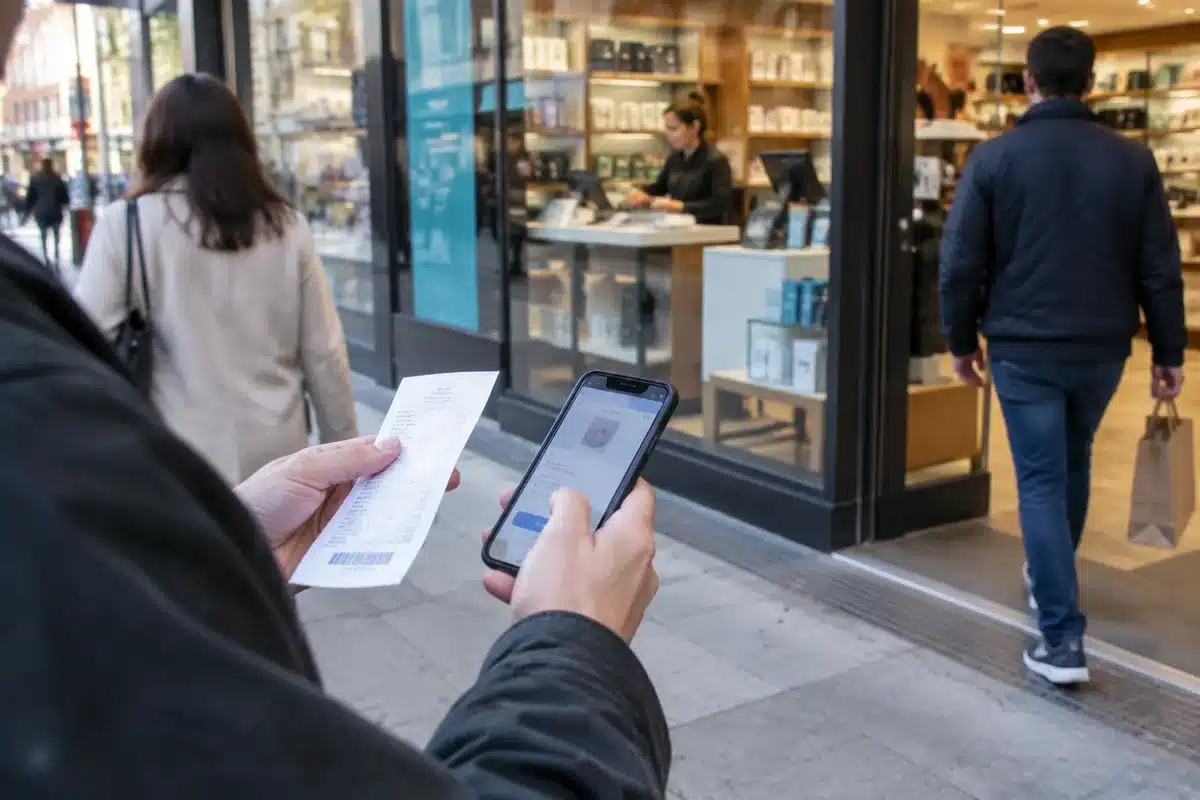
When Mexicans search for deals ahead of the Buen Fin, they are not only hunting for discounts and interest-free installment plans. The risk of falling victim to a scam attracts a lot of attention as well: according to an analysis by Seedtag, two out of the five most-viewed pieces about purchases and promotions during the 2025 edition were fraud alerts.
This finding takes on added importance with Buen Fin 2026 approaching — scheduled to run from November 13 to 17 — when thousands of retailers will promote discounts both in stores and online. While e-commerce continues to expand, many shoppers are also looking for ways to verify whether offers are genuine before they hand over their money.
Why You Should Never Reheat These Foods in the Microwave – The Hidden Dangers Experts Warn About
I tried the top 5 guard dogs—here’s what makes these breeds the ultimate protectors
To detect these patterns, Seedtag examined more than 51,500 articles published across over 650 Mexican digital outlets during the 2025 campaign, using its agentic artificial intelligence platform, Liz Agent.
“Trust and safety are part of the online conversation around Buen Fin. Two of the five most visited articles about shopping and promotions were fraud warnings,” said Paula Rye, Seedtag’s director of commercial strategy and client partnerships for Latin America.
Rye added that this information indicates consumers, beyond hunting for bargains, “pay close attention to whether offers are legitimate and to the security of the transactions.”
Still, interest in fraud alerts does not necessarily mean shoppers have lost confidence in digital purchases. The Mexican Online Sales Association (AMVO) reported that 83% of buyers said they felt safe making purchases online during Buen Fin 2025.
Shoppers in Mexico research deals before buying
Concern about scams is part of a broader pattern: Rye explained that consumers actively gather information before deciding to buy. Seedtag’s study found that 49.3% of the digital conversations analyzed had an informational intent and 49% had a commercial intent, while only 1.2% showed a direct transactional intent in the lead-up to the event.

People also check prices, pre-sale dates, late-night sale schedules and guidance from the Federal Consumer Protection Agency (Profeco) to spot real discounts and understand their consumer rights.
During the period studied in 2025, 24% of visits occurred before the week of Buen Fin, while 58% were concentrated between November 5 and 18.
Article publication peaked between November 5 and 11, with roughly 7,500 pieces published, but reader traffic reached its highest point between November 12 and 18, with about 1.5 million visits. After the event, traffic dropped sharply — falling 78% between November 19 and 25.
Content specifically focused on Buen Fin and Black Friday made up 42% of the publications analyzed but accounted for 76% of the visits, showing that audiences paid the most attention to material directly tied to promotions and purchasing choices.
Interest-free installment plans also shape buying choices
In addition to confirming offer authenticity, shoppers look for financing options to make their purchases more affordable.
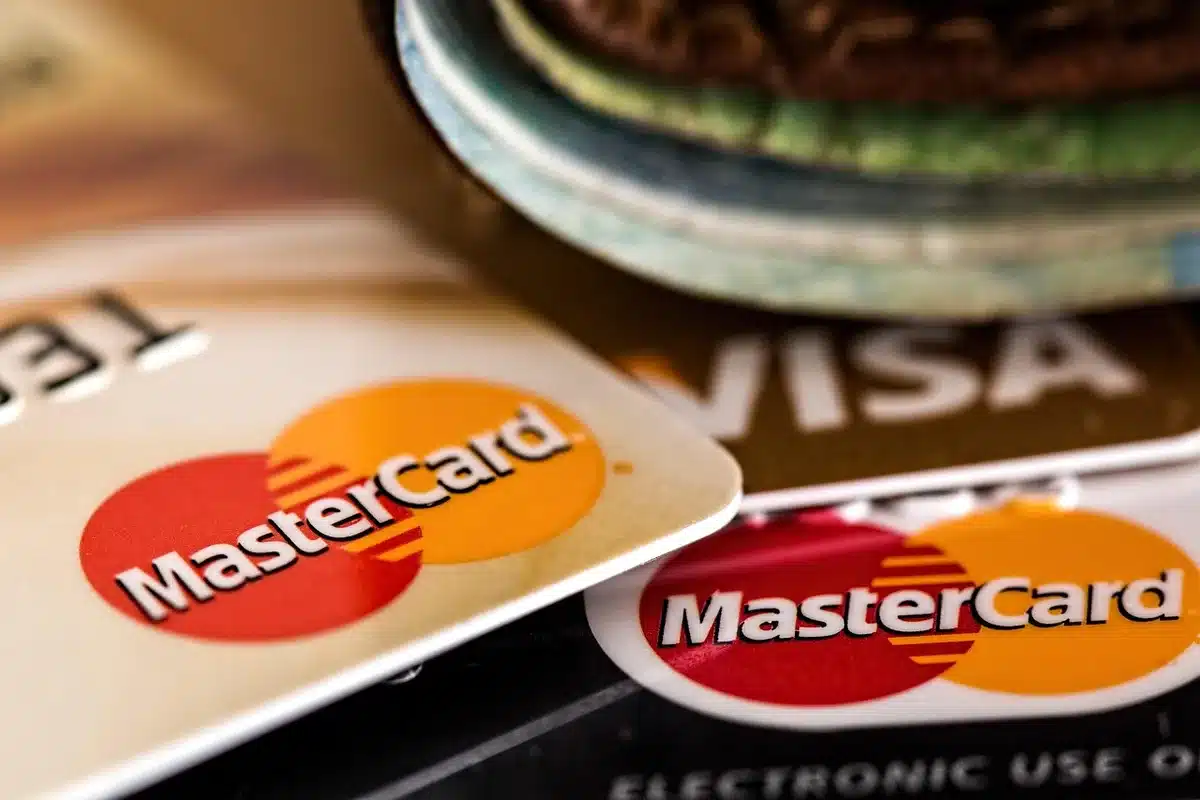
The Ministry of Economy reported that about 40% of Buen Fin 2025 sales were paid on credit, and an AMVO survey found that 79% of consumers search for interest-free monthly payment promotions.
In Seedtag’s analysis, the Personal Finance category showed the highest affinity index among the topics studied — 164.74 relative to the national average. Articles in this category averaged 933 visits, compared with 661 for content categorized under Shopping.
These results indicate consumers compare not only product prices but also financing terms, bank benefits and the different ways they can spread out payments.
However, having access to credit doesn’t automatically mean a purchase saves money. Before taking advantage of a deal, it is wise to check the final price, ensure there are no hidden fees and confirm the payment conditions.
E-commerce expands despite security worries
According to figures from the Ministry of Economy and the National Confederation of Chambers of Commerce, Services and Tourism (Concanaco Servytur), Buen Fin 2025 generated 219 billion pesos in sales — a year-over-year rise of 26.6% — with participation from more than 215,000 businesses.
The AMVO reported that online sales grew by 31% and represented 21% of total revenue. Additionally, 27% of purchasers made their first-ever online purchase during the event.
The expansion of digital commerce increases buying opportunities but also highlights the need for shoppers to know basic steps to protect their information and spot scams.
Recommended precautions include checking price histories, confirming that promotions come from reputable sellers, reviewing return policies and avoiding entering bank details through suspicious links received via messages or social networks.
For brands and retailers, Seedtag says recognizing these consumer concerns can help shape advertising messages so they align with audience interests and the different phases of the shopping season.
Similar Posts
- Black Friday Blowout at Fnac: Save Up to €240 on iPhone 17 Pro Max and MacBook Air M4 Just €899!
- Prime Day Deals: Top 10 Apple and Tech Offers You Can’t Miss!
- Buen Fin 2026: 48% of Mexicans Would Let AI Buy for Them
- Duty free shops face dramatic 13% sales drop since Covid—can airports win back shoppers?
- Meta Reportedly Earns $16 Billion from Illegal and Fraudulent Ads: Shocking Revenue Tactics Revealed

Lucas Monroe tracks the latest trends in mobile and 5G innovation. His work spans hardware analysis, telecom breakthroughs, and ecosystem development in next-gen connectivity.