
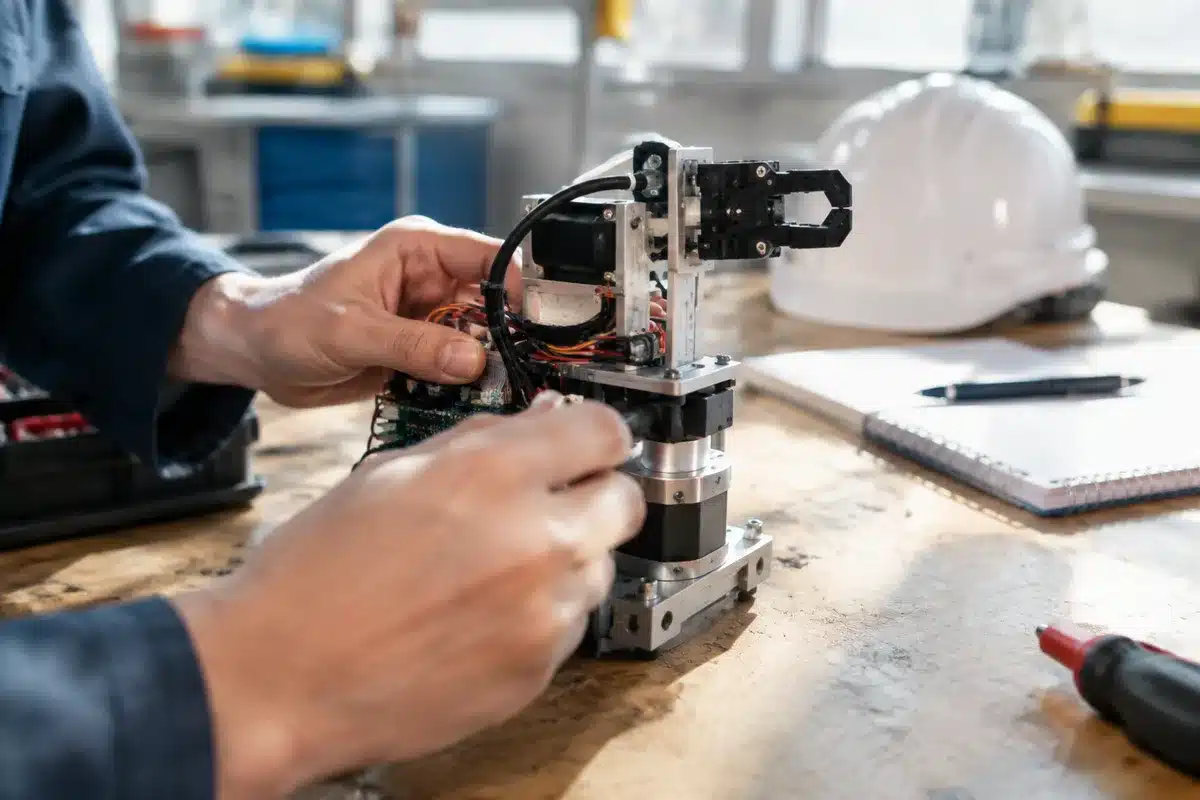
The manufacturing sector in Nuevo León is dealing with a shortage exceeding 40,000 operational technicians, while the state produces under 6,000 technical graduates annually, according to data from the Chamber of the Transformation Industry of Nuevo León (Caintra) presented by Allyson Teviño, senior manager of Community Relations at Ternium, at the Expansión Summit Norte 2026.
Scientists confirm: This is the most effective way to get your cat’s attention, according to new research
Elderly Couple Refuses Reserved Seats—Viral Train Standoff Sparks Fiery Debate on Courtesy
Teviño warned that this lack of skilled workers not only makes hiring harder but also drives up companies’ operating expenses.
Companies take long to fill technical roles and face extra costs
Teviño shared that, on average, industrial firms need about 60 days to hire a technician, a period that can stretch to as long as 80 days for smaller businesses. While positions remain open, organizations must cope with unfilled roles, extended shifts and overtime payments to keep production running.
This shortage is not confined to Nuevo León. The ManpowerGroup Talent Shortage Survey 2026 shows that 67% of Mexican employers struggle to find workers with the necessary skills. The pressure is particularly acute in sectors tied to industry: 81% of employers in the automotive sector and 71% in manufacturing report shortages.
For Javier Torre, managing director of Michael Page Mexico and Central America, the core issue is not an absolute absence of qualified people but the challenges companies face in locating them, attracting them, and presenting competitive offers.
“There is always talent. We’re not lacking people. The problem is we don’t know where to look,” he said during the panel moderated by Mónica Alfaro, Expansión’s Broadcasting editor.
Torre noted that Mexico has evolved from being solely an industrial operations hub to also hosting research, development and specialized technological activities. That shift raises demand for more specific skill sets, and Mexican employers increasingly compete with foreign firms for the same professionals.
Adding to the difficulty, experienced workers are not necessarily eager to change employers. Pato Bichara, CEO and cofounder of Collective Academy, pointed out that many workers value stability and opportunities for growth within their current companies, which reduces the pool of candidates open to new roles.
Why You Should Never Reheat These Foods in the Microwave – The Hidden Dangers Experts Warn About
I tried the top 5 guard dogs—here’s what makes these breeds the ultimate protectors
He also criticized some recruitment practices, from repeatedly rescheduled interviews to hiring processes that fail to respect applicants’ schedules and needs. “We’re terrible at recruiting,” Bichara admitted, urging companies to stop assuming they hold all the negotiating power over candidates.
Training employees can be more cost-effective than searching for them
One of the alternatives discussed to address persistent vacancies is investing in training programs linked to educational institutions and aligning students’ learning with the real demands of industry.
Teviño recalled that Ternium began implementing educational initiatives in Mexico in 2005 and opened its first Roberto Rocca Technical School in the country in 2016 with an initial outlay of $30 million.
The school model combines a high school diploma with technical training in areas such as electromechanics and mechatronics. Roughly half of graduates continue on to university, while the remainder enter the workforce directly.
Students also complete internships as part of their training, which smooths their transition into paid positions and can improve their earning potential. According to figures Teviño presented, graduates who have completed technical internships tend to earn over 25% more than technical students who lack that hands-on experience.
At Ternium, newly hired technical staff typically go through an internal training program lasting about 18 months. Those who come from the company’s technical school, however, can finish their onboarding in approximately three months.
That compression of training time represents a potential saving in both resources and time that firms invest to prepare new hires, although Teviño did not provide a specific monetary return-on-investment estimate.
She emphasized that talent development should be treated as a business decision rather than merely a corporate social responsibility effort, since it also enhances employee retention and strengthens ties between companies and their surrounding communities.
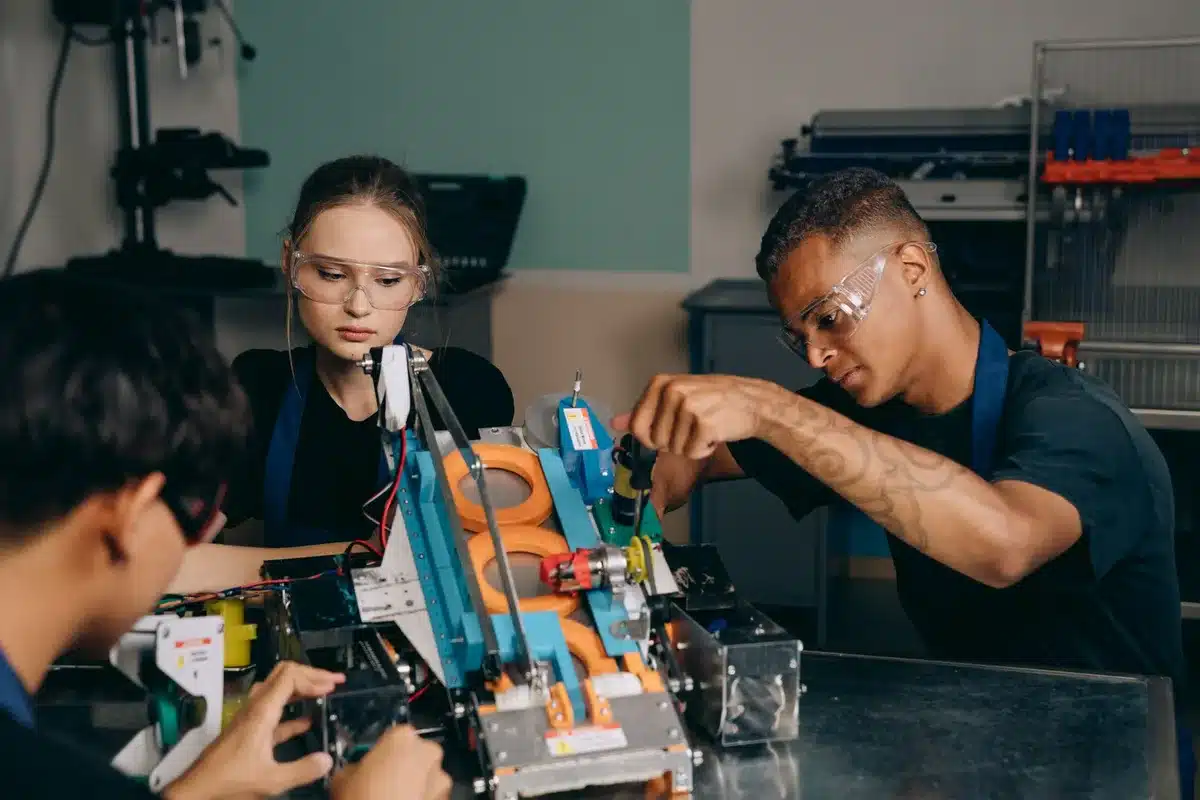
Artificial intelligence is outpacing corporate training
The need to build new skills extends beyond factory floors. In offices and executive roles there is also a gap between the tools people are already using and the training their employers supply.
Torre cited a PageGroup study showing that 66% of executives surveyed now use some form of artificial intelligence in their daily work, up from about 30% a year earlier.
Despite that jump in individual adoption, only 16% of organizations have a formal AI training plan, while roughly 80% of executives want their companies to provide training on the technology.
This mismatch indicates that individual professionals are adopting AI tools faster than companies are creating institutional strategies to integrate those tools into workflows.
“Tomorrow, artificial intelligence will be as important as speaking English is today,” Torre said.
He suggested that proficiency with AI could become a salary-enhancing skill in the future, similar to how English fluency affects compensation today, though he framed this as an expectation rather than a proven projection.
Bichara argued that the challenge is not simply offering courses on new tech. Businesses must rethink how work is organized and ensure training addresses concrete business needs. “We need to reimagine how we work, how teams and processes operate, and how machines fit into that,” he said.

Leadership also determines how much talent a company loses
Panelists agreed that technical competencies alone won’t keep employees if they confront poor communication, a lack of feedback, or limited internal growth opportunities.
Bichara shared the story of a Domino’s Pizza branch manager in Guadalajara who faced high turnover. After taking part in a leadership development program, she discovered many staff were missing shifts because of university exams.
Instead of responding mainly with penalties, she began talking with employees and arranging coverage agreements. According to Bichara, turnover at that branch fell to zero during the period he described.
The case illustrates how building skills such as empathy, communication and conflict resolution can directly improve employee retention.
Alfaro recalled that PageGroup’s 2025 Remuneration Study found 55% of employees cite poor leadership as the top reason for leaving a job.
That report also estimates the financial impact of turnover: a company with 100 employees and an 18% annual turnover rate could spend more than 340,000 pesos on replacements and hiring, while an organization with 1,000 workers might face costs close to 3.4 million pesos.
Torre argued that the remedy lies in creating workplace cultures where employees can grow, receive feedback and find advancement opportunities without having to leave.
Participants concluded that a company’s competitiveness does not rely solely on attracting investment or adopting technology; it also depends on its ability to develop and retain the people who keep its operations running.
Similar Posts
- Data Centers: 100,000+ High-Paying Jobs on the Way
- 5 Top Reasons to Choose Apprenticeships in IT: Boost Your Career Success Now!
- STEM Education’s Impact: Shaping Future Careers and Mental Health
- Attracting Tomorrow’s Engineers: Discover EY’s Proven Strategy!
- DevOps Training: 5 Best Courses to Become a DevOps Engineer

Lucas Monroe tracks the latest trends in mobile and 5G innovation. His work spans hardware analysis, telecom breakthroughs, and ecosystem development in next-gen connectivity.