
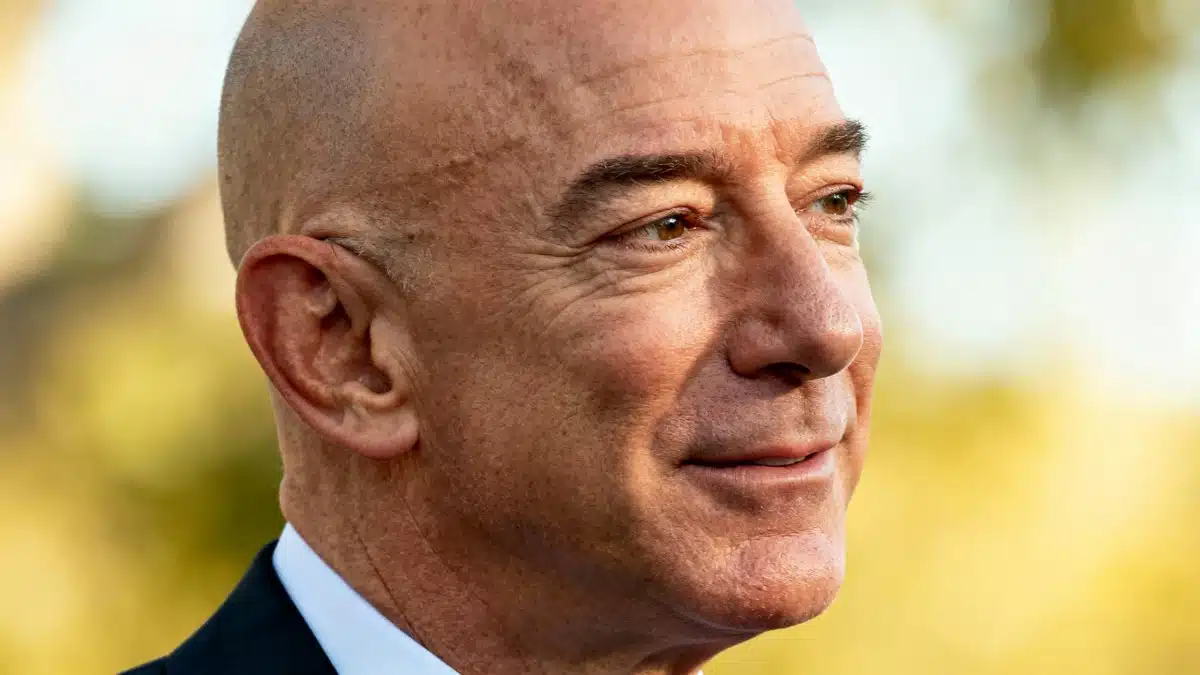
Could Earth’s pollution woes be zapped into oblivion by launching giant AI data centers into orbit? That’s not just the wacky plot of a sci-fi novel, but a plan touted by none other than Jeff Bezos, the man who sent millions of parcels flying across the globe—and now wants to send gigawatts of AI processing power rocketing into space. Buckle up as we explore this cosmic idea, the hard numbers behind our digital pollution, and whether Bezos’ vision could truly save our planet (or just send our data usage to the moon).
Scientists confirm: This is the most effective way to get your cat’s attention, according to new research
Elderly Couple Refuses Reserved Seats—Viral Train Standoff Sparks Fiery Debate on Courtesy
AI Data Centers: The Dirty Secret Behind Clean Algorithms
Artificial intelligence may sound ethereal and wise, but let’s face it: behind the seamless chatbot lies a hulking, energy-guzzling beast. Data centers—the essential warehouses for all things AI—consume colossal amounts of electricity and water. According to a report published by the International Energy Agency in April 2025, global water consumption by data centers clocks in at a staggering 560 billion liters per year. Even more sobering, that number could balloon to 1,200 billion liters by 2030. As for energy, these server farms have ramped up their appetite by about 12% per year since 2017, hitting 415 terawatt-hours in 2024. To put that in human terms, it’s enough to power tens of millions of homes. So, while AIs are generating poems and composing music, their infrastructure is quietly draining our planet’s resources.
Jeff Bezos’ Great Galactic Escape Plan
Now, enter Jeff Bezos with his interstellar solution. At Italian Tech Week in Turin (Italy), the Amazon founder presented an audacious vision: in the next ten to twenty years, data centers of several gigawatts could be built in orbit. Speaking before the crowd at Europe’s biggest tech conference, Bezos made his case clear: “Space will eventually become one of the places that will help improve Earth. It’s already true with weather satellites and communication satellites. The next step concerns data centers and other types of production.”
This suggestion isn’t just Bezos’ solo flight of fancy. He’s one of several tech powerhouses touting the orbital data center as the miracle fix that lets us keep expanding AI capabilities without sucking up terrestrial energy and water. Why the obsession with space? The logic is deceptively simple:
- Solar energy in space is abundant and constant—no cloudy days, no nightfall, no bad weather.
- Extremely cold temperatures up there could help cool these power-hungry machines.
- Separation from Earth means these centers, at least in theory, avoid polluting our air and water directly.
As Bezos puts it: “These giant training hubs will be better in space, as we have access to solar energy 24/7. There are no clouds, no rain, no storms. We can outdo the cost of terrestrial data centers in space within about twenty years.”
A Solution on the Launch Pad?
Beyond just talking, some companies have started tiny tests of this mind-bending idea. In March, Florida-based Lonestar Data Holdings made headlines by successfully trialing a miniaturized data center—in orbit, no less, and about the size of a book. The device, aptly named “Freedom,” hitched a ride to the Moon on Intuitive Machines’ Athena lunar lander, launched by a SpaceX Falcon 9 in 2025. Small step for data, giant leap for mankind? We’ll see.
- The goal: tap into endlessly available solar power and sub-zero temperatures.
- End the dependence on Earth’s water and energy, slashing pollution at the source.
- Ambitions even stretch to moving other polluting industries off-planet to preserve our environment, a theme Bezos has raised before.
Is Space the New Tech Frontier—or Just Pie in the Sky?
For now, these floating server fantasies remain just that: early-stage tests, with planetary-scale ambitions. But the logic is compelling. With data centers scarfing down more resources each year, and the expansion of AI showing no signs of slowing, something has to give.
Will we soon see constellations of colossal orbital data centers solving Earth’s pollution crisis—and possibly turning the sky into the ultimate Silicon Valley? Only time (and several million liters of saved water) will tell. Until then, here’s a practical tip: maybe unplug that idle device tonight. While Bezos plans his next celestial leap, the rest of us can still make an earthly difference—one small switch at a time.
Similar Posts
- “I had enough ideas to destroy Amazon”: Jeff Bezos gets real about risk, failure and why he’ll never retire
- Silent home wind turbines are shaking up the future of green energy—could they finally outshine solar panels?
- Jeff Bezos reveals the three unexpected rules behind Amazon’s incredible success
- Travel to Mars in just 3 months: this incredible space plan could become a reality
- The incredible diversity of exoplanets: how our understanding of the universe was turned upside down after one discovery thirty years ago
Why You Should Never Reheat These Foods in the Microwave – The Hidden Dangers Experts Warn About
I tried the top 5 guard dogs—here’s what makes these breeds the ultimate protectors

Jordan Park writes in-depth reviews and editorial opinion pieces for Touch Reviews. With a background in UI/UX design, Jordan offers a unique perspective on device usability and user experience across smartphones, tablets, and mobile software.